Table of Contents
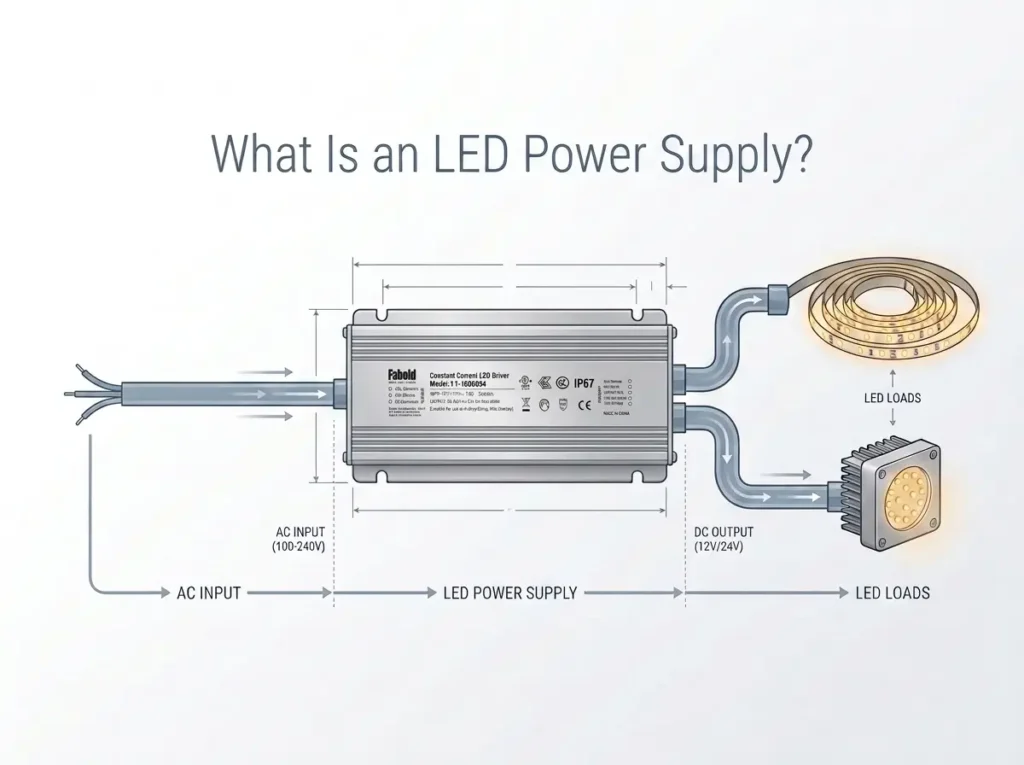
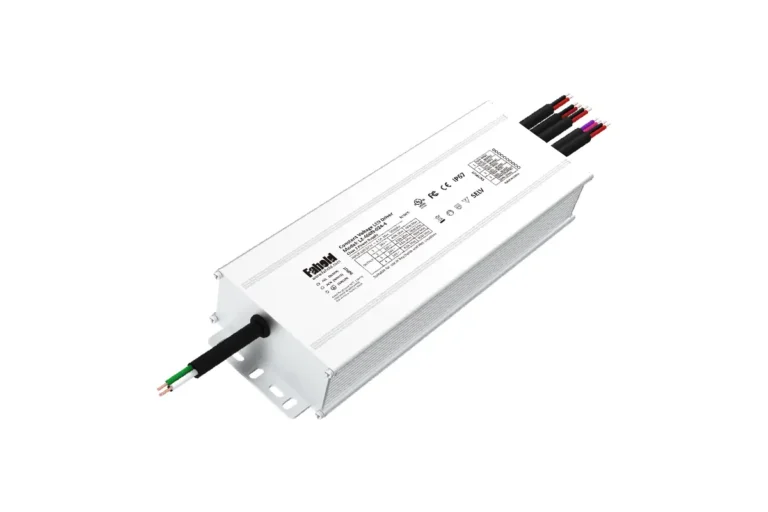
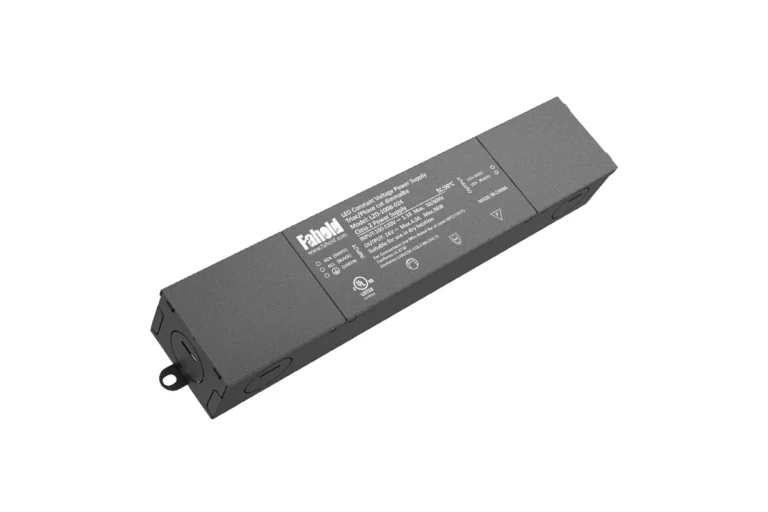
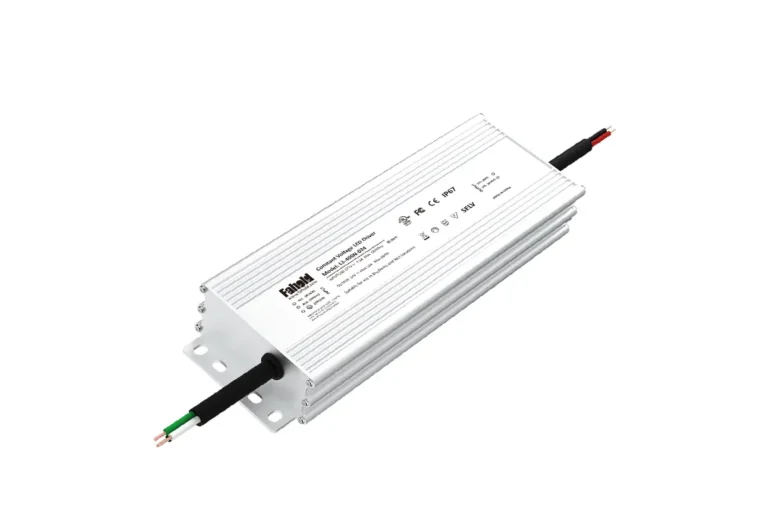
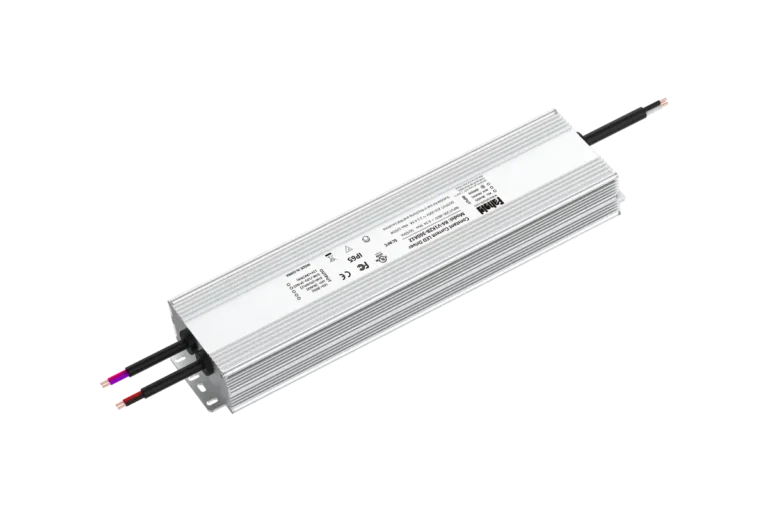
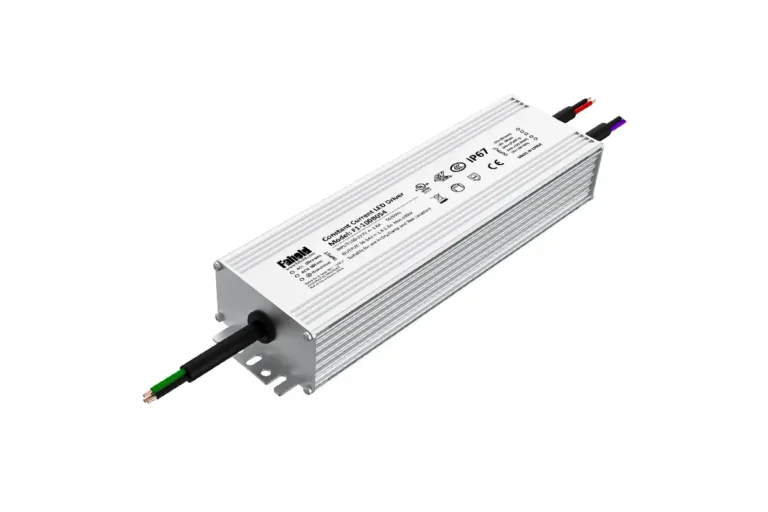
An LED power supply is the power-conversion and regulation device that provides an LED lighting system with the electrical conditions it is designed to use.
In many low-voltage lighting systems, that means taking the available AC input and converting it into a regulated DC output such as 12V or 24V. Other LED systems use a constant-current driver instead, where the current is regulated and the output voltage operates within a specified range.
That distinction matters because an LED power source cannot be selected by wattage alone. The output mode, voltage, current, connected load and application all have to match.
For FAHOLD North American content, LED power supply is used primarily for constant-voltage products used with LED strips, signage modules and architectural lighting. The broader market also uses the term LED driver, so the product label and electrical specifications are more important than the name by itself.
What Does an LED Power Supply Do?
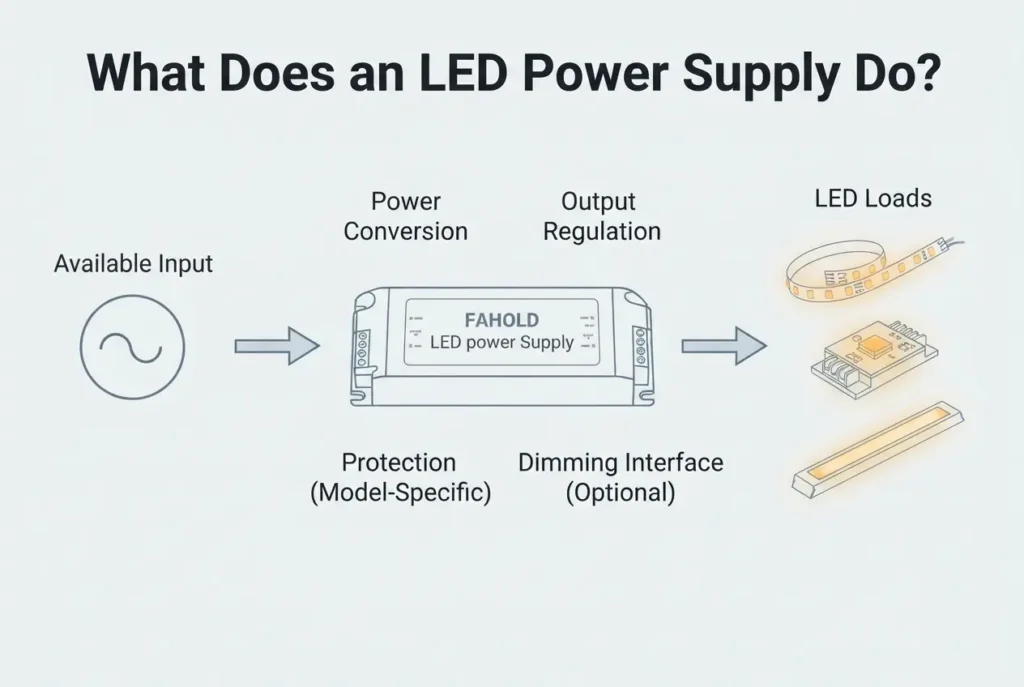
At a system level, the job is simple:
Available input power → LED power supply → regulated electrical output → LED load
The power supply sits between the source of electricity and the LED load.
Its exact functions depend on the product design, but a typical AC-DC LED power supply may perform several stages of power conversion and regulation before delivering usable DC power to the LEDs.
For a constant-voltage system, the primary objective is to maintain the specified output voltage within the product’s rated operating conditions while supplying the current demanded by the connected load, up to the power supply’s limits.
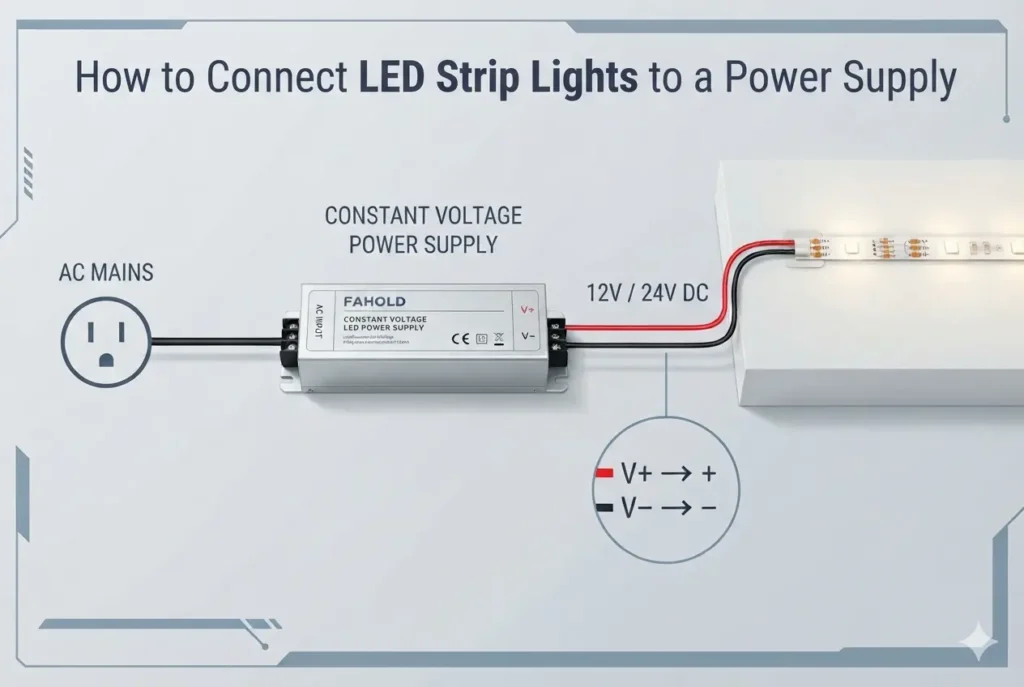
For example, a 24V constant-voltage LED module requires a compatible 24V power source. The module determines how much current it draws according to its electrical design, while the power supply must have enough capacity to support that load.
Some power supplies may also include functions such as dimming interfaces, electrical protection or environmental protection, but these features are model-specific. They should never be assumed from the term “LED power supply” alone.
Why Do LED Lighting Systems Need a Power Supply?
Many LED strips, signage modules and other low-voltage LED products are not designed to operate directly from building line voltage.
They are designed around a specified low-voltage DC input such as 12V or 24V. An appropriate power supply converts and regulates the available input so the LED load receives the electrical conditions for which it was designed.
This is important because an LED system is not simply a resistive appliance that can be connected to any source with a similar wattage rating.
A mismatch can occur in several ways:
- the output voltage is wrong for the LED load;
- the available output current is insufficient;
- the total connected load exceeds the supply’s rated capacity;
- the power source is constant current while the load requires constant voltage, or vice versa;
- the input-voltage range does not match the installation;
- the dimming or control method is incompatible;
- the environmental or certification requirements do not match the project.
This is why two LED power products with the same wattage can still be completely different electrically.
How Does an LED Power Supply Work?
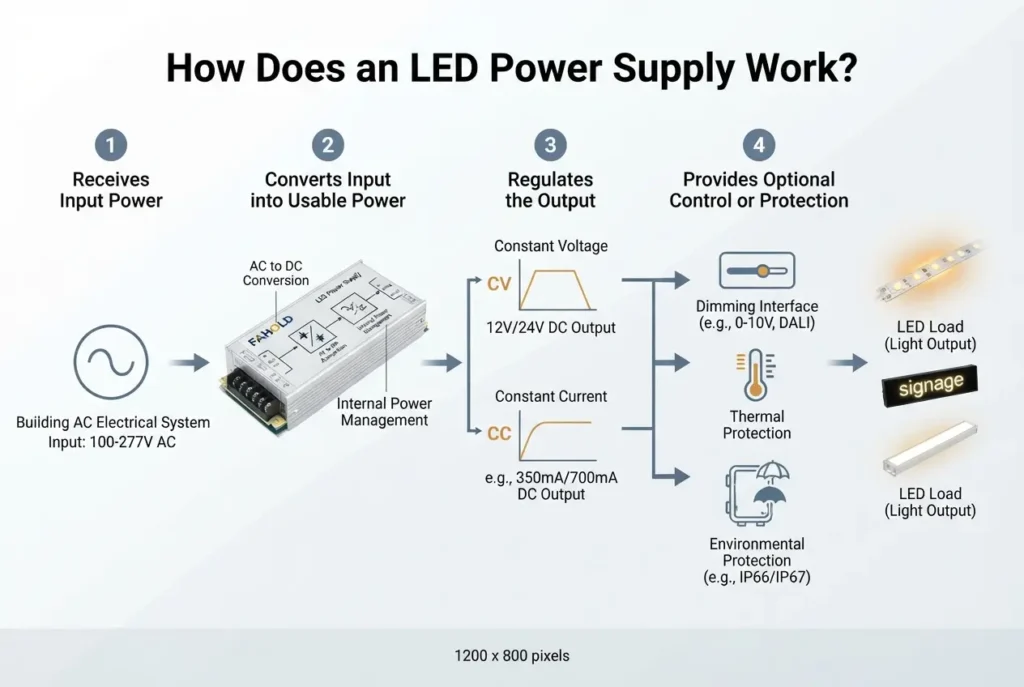
The detailed circuit topology varies by design, so it is better to understand the process at a functional level rather than assume that every power supply uses the same internal architecture.
1. It receives the available input power
For many architectural, signage and LED strip applications, the power supply receives AC power from the building electrical system.
The permitted input range is a product specification and must be checked on the exact model. It should not be inferred from the target market or output voltage.
2. It converts the input into usable electrical power
An AC-DC power supply converts incoming alternating current into direct-current power suitable for the downstream LED system.
The internal conversion process may include rectification, switching conversion, isolation and other stages depending on the design.
3. It regulates the output
The output then has to be controlled according to the electrical mode of the product.
A constant-voltage power supply regulates a specified output voltage.
A constant-current LED driver regulates a specified output current while allowing the output voltage to vary within its designed operating range.
4. It may provide additional control or protection
Depending on the model, the power supply may also include dimming functions, protection circuits, thermal management features or an enclosure designed for a particular installation environment.
These features vary significantly by series and model. They should always be verified against the current datasheet or certification documentation.
Constant Voltage vs Constant Current: The First Distinction to Understand
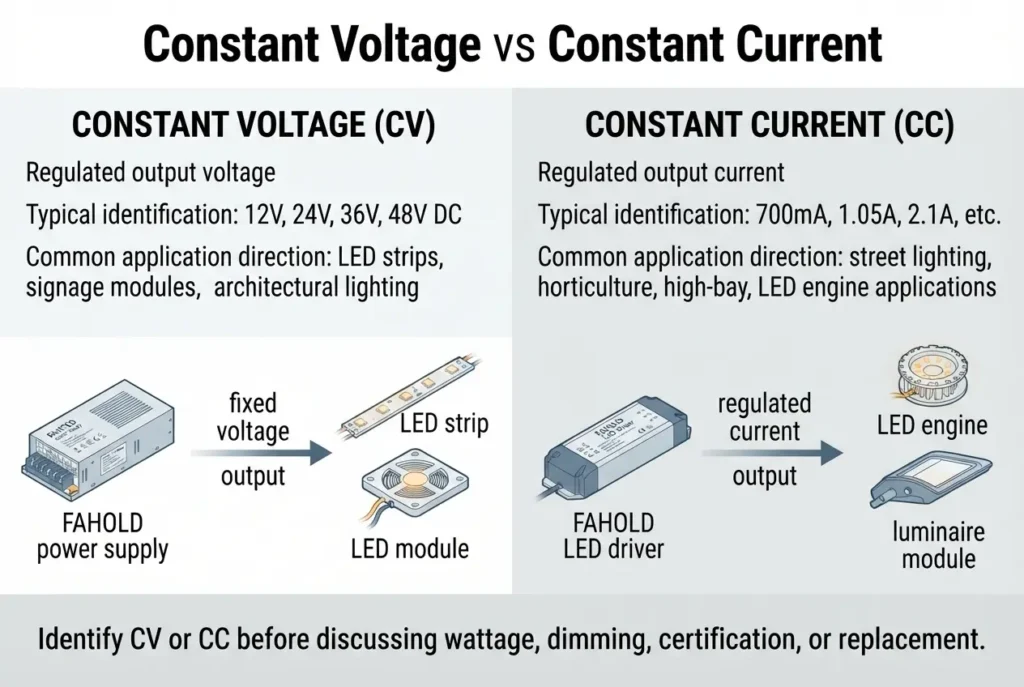
One of the most important things to understand about LED power products is the difference between constant voltage (CV) and constant current (CC).
| Electrical Type | What Is Regulated | Typical Identification | Common Application Direction |
|---|---|---|---|
| Constant Voltage | Output voltage | 12V, 24V, 36V or 48V DC | LED strips, signage modules, architectural lighting |
| Constant Current | Output current | 700mA, 1.05A, 2.1A, etc., with an output-voltage range | Street lighting, horticulture, high-bay and other LED-engine applications |
For a constant-voltage product, the output voltage remains regulated and the load draws current according to its design.
For a constant-current driver, the current is regulated while the driver operates within its specified output-voltage range.
This practical distinction is more useful than relying only on the words printed in a product title.
FAHOLD product-training rule is therefore straightforward:
Identify whether the load requires constant voltage or constant current before discussing wattage, dimming, certification or replacement compatibility.
Is an LED Power Supply the Same as an LED Driver?
Not always—and the industry does not use the terms with perfect consistency.
In North American constant-voltage lighting, LED power supply is commonly used for products that provide regulated low-voltage DC outputs for LED strips, modules and similar loads.
At the same time, manufacturers may still place constant-voltage power supplies inside a broader LED Driver product category.
For example, LEDVANCE U.S. product catalog uses the description “LED Constant Voltage Power Supplies” for 12VDC and 24VDC products while listing the family under LED Drivers.
LEDVANCE U.S. Constant Voltage Power Supplies
MEAN WELL’s LED power-supply documentation also uses the broader term for products that may deliver constant-current or constant-voltage output depending on product design.
MEAN WELL LED Power Supply Installation Manual
The practical conclusion is:
Do not determine compatibility from the words “driver” or “power supply” alone. Check the output mode and electrical specifications.
If you want a deeper comparison of the terminology, refer to the dedicated LED Driver vs LED Power Supply guide.
What Is a Constant-Voltage LED Power Supply?
A constant-voltage LED power supply is designed to maintain a specified DC output voltage while supplying the current required by the connected load within the unit’s rated limits.
Common constant-voltage system values include:
- 12V DC;
- 24V DC;
- 36V DC;
- 48V DC.
The correct voltage is determined by the LED load.
For example, if an LED module is designed for 24VDC input, the system should use a compatible 24V constant-voltage power source. A 12V or 48V supply is not interchangeable merely because it has sufficient wattage.
Current capacity still matters. At a fixed voltage, the connected load determines the required current, and the power supply must be capable of supporting it.
The relationship can be summarized as:
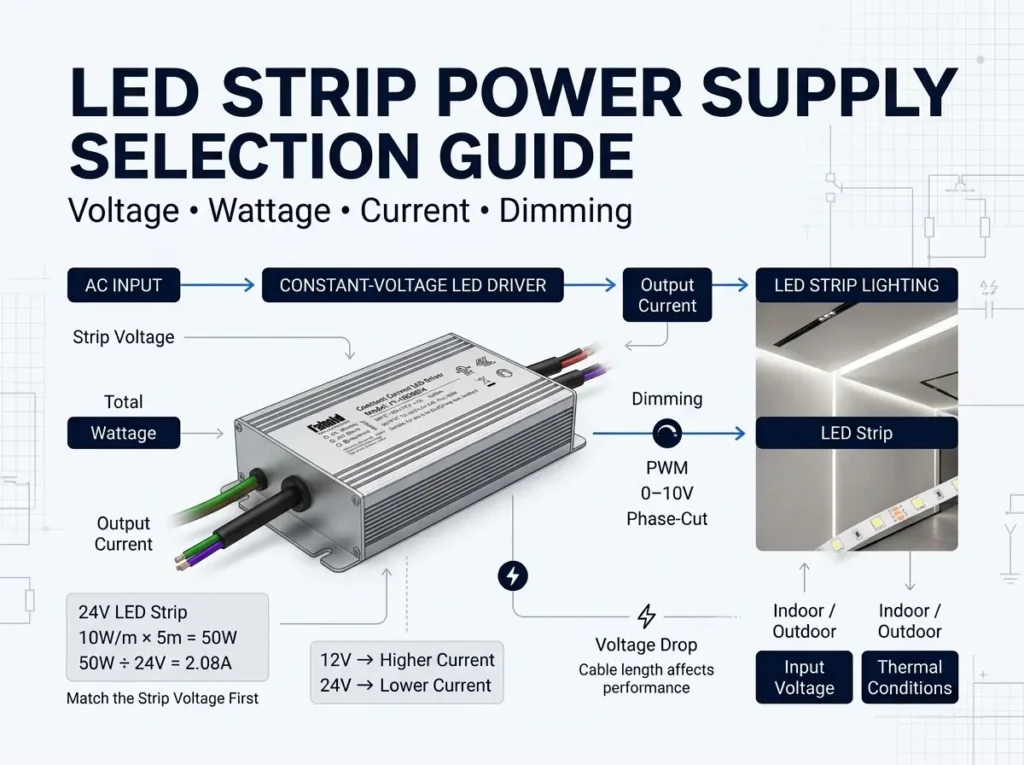
Power (W) = Voltage (V) × Current (A)
However, this formula is only one part of product selection. Input voltage, operating environment, dimming, certification, wiring and thermal conditions may also matter.
For the complete selection process, see the LED Power Supply Guide: Voltage, Wattage, Types and Selection.
Where Are LED Power Supplies Commonly Used?
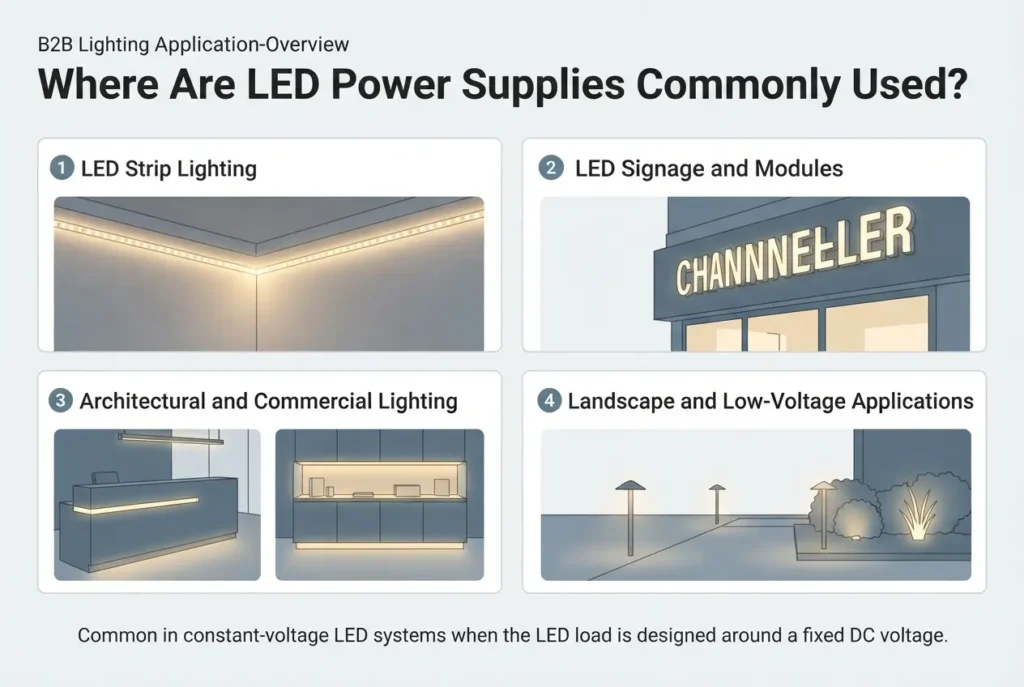
Constant-voltage LED power supplies are particularly common where the LED load itself is designed around a fixed DC system voltage.
LED Strip Lighting
Low-voltage LED strips are a typical constant-voltage application. The strip specification defines the required system voltage, while the power supply is selected to match that voltage and support the connected load.
For application-specific guidance, see LED Strip Lighting.
LED Signage and Modules
Channel letters, advertising light boxes, signage modules and related systems often use constant-voltage architectures.
Larger signage projects may also introduce branch loading, multiple outputs, cable voltage drop, environmental protection and Class 2 requirements, depending on the design.
See the Sign Lighting application page for the signage-specific design path.
Architectural and Commercial Lighting
Constant-voltage power supplies are also widely used with linear lighting, cove lighting, cabinet lighting and other architectural systems where the luminaire or LED module is designed for a regulated low-voltage DC source.
These projects may place additional emphasis on dimming compatibility, enclosure format, installation location and acoustic or visual performance.
See Commercial Lighting for the application-level overview.
Landscape and Other Low-Voltage Applications
Some landscape and outdoor LED systems also use constant-voltage architectures, but the correct electrical type must still be confirmed from the actual load specification.
The application name alone does not prove that a product requires a constant-voltage power supply.
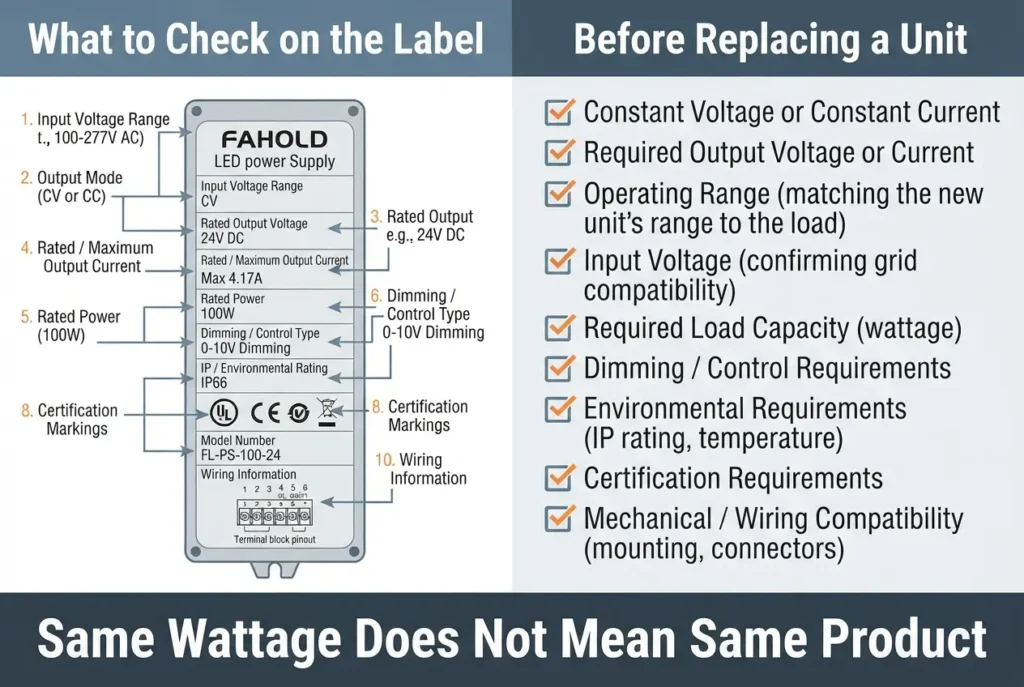
What Information Is Usually Shown on an LED Power Supply Label?
A product label or datasheet can reveal much more than the wattage.
Depending on the product, useful information may include:
- input-voltage range;
- output mode: constant voltage or constant current;
- rated output voltage;
- rated or maximum output current;
- rated power;
- dimming or control designation;
- environmental or IP rating;
- certification markings;
- model number;
- wiring information.
The model number and datasheet should be treated as the primary technical references when evaluating a product.
Do not assume that another model in the same series has identical certification, output, dimming or environmental characteristics.
LED Power Supply vs LED Transformer
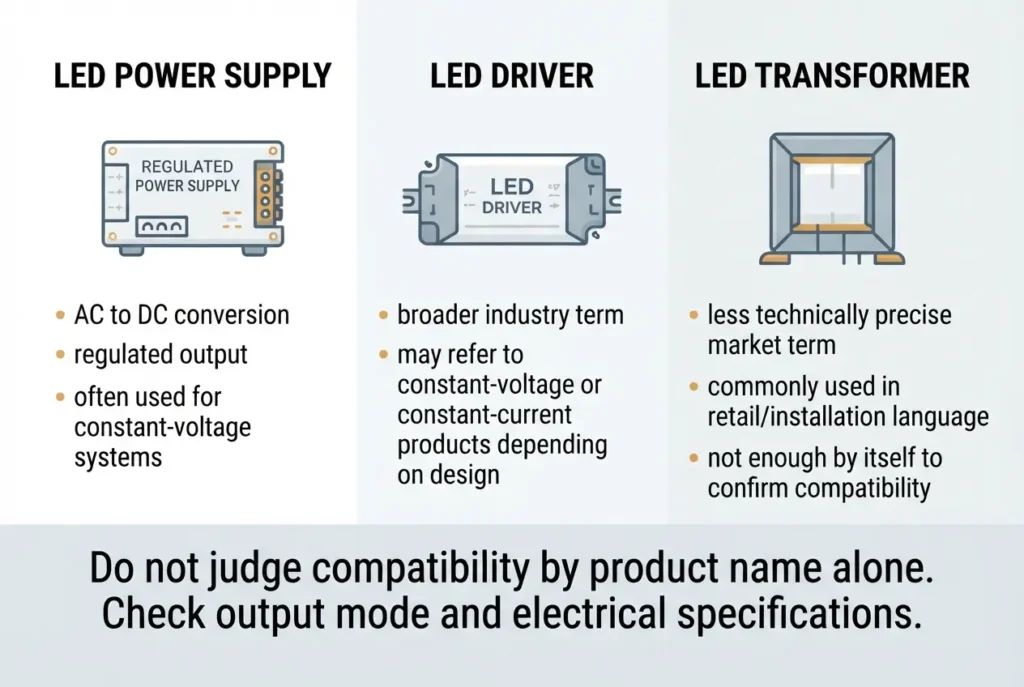
The term LED transformer also appears frequently in North American retail and installation searches, but it is less technically precise.
A transformer primarily changes voltage through electromagnetic coupling. A modern LED power supply may do considerably more: AC-DC conversion, output regulation, protection and sometimes dimming or control.
Because the market uses “LED transformer” loosely for some low-voltage LED products, the safest approach is again to inspect the electrical specifications rather than rely on the name.
For professional project documentation and FAHOLD content, LED power supply is the preferred term for the North American constant-voltage product track unless the real search intent or customer terminology requires otherwise.
Can You Replace an LED Power Supply With One That Has the Same Wattage?
Not necessarily.
Wattage tells you the amount of power a unit is rated to deliver, but it does not tell you whether the electrical output is compatible with the LED load.
Before considering a replacement, at minimum confirm:
- constant voltage or constant current;
- required output voltage or current;
- operating voltage range where applicable;
- input voltage;
- required load capacity;
- dimming/control requirements;
- environmental requirements;
- certification requirements;
- mechanical and wiring compatibility.
This is one of the most important practical rules in LED power selection:
Same wattage does not mean same product.
If an existing unit needs to be replaced, provide the current model number, label or datasheet before selecting an alternative.
What Happens If the Wrong LED Power Supply Is Used?
The result depends on the type of mismatch.
Possible symptoms include:
- the LEDs do not turn on;
- reduced or unstable light output;
- flicker;
- unexpected shutdown;
- excessive heating;
- insufficient available power;
- control or dimming problems;
- damage to the LED load or power source in severe mismatch conditions.
These symptoms are not unique to the power supply, so they should not be used alone to diagnose a system.
The correct troubleshooting approach starts by comparing the actual load requirements with the power supply’s verified specifications and wiring.
Ready to Choose an LED Power Supply?
Understanding what an LED power supply does is only the first step.
Once you know that your LED load requires a constant-voltage power source, the next stage is to match the actual project requirements:
- output voltage;
- connected load;
- output-current capacity;
- input voltage;
- dimming/control method;
- installation environment;
- certification requirements;
- mechanical constraints.
Continue with the LED Power Supply Guide: Voltage, Wattage, Types and Selection for the full selection workflow.
No FAHOLD product series or model is recommended on this page intentionally. This article addresses a definition-stage search intent. Product recommendations should only appear after the electrical and application requirements are specific enough to verify a real match.
FAQ
What is an LED power supply in simple terms?
An LED power supply is a device that converts and regulates electrical power so an LED lighting load receives the voltage or current conditions it is designed to use. In FAHOLD North American content, the term is used primarily for constant-voltage systems such as LED strips, signage modules and architectural lighting.
What does an LED power supply convert?
In a typical AC-DC lighting application, it converts incoming AC power into regulated DC power. The exact input and output ranges depend on the product design.
Is an LED power supply AC or DC?
Many LED power supplies accept AC input and provide DC output, but the actual specification must be checked on the product. “LED power supply” describes the function and application, not one universal input/output configuration.
What is the difference between a constant-voltage power supply and a constant-current driver?
A constant-voltage power supply regulates output voltage, while a constant-current driver regulates output current and operates within a specified voltage range. The LED load determines which type is required.
Are 12V and 24V LED power supplies interchangeable?
No. The output voltage must match the LED load specification. A 12V load should not be connected to a 24V supply merely because both products have a similar wattage rating.
Do LED strips need an LED power supply?
Low-voltage constant-voltage LED strips require a compatible power source that matches the strip’s rated voltage and load requirements. The power-supply capacity, wiring and control architecture must also be checked.
Why is an LED power supply also called an LED driver?
The lighting industry uses the terms with some overlap. Some manufacturers place constant-voltage power supplies inside broader LED Driver categories. For selection purposes, check whether the actual product is constant voltage or constant current instead of relying only on the name.
How do I know which LED power supply I need?
Start with the LED load specification. Identify whether it is constant voltage or constant current, then confirm the required output, load, input voltage, dimming, installation environment and project requirements. Use the complete LED Power Supply Guide for the next step.
Need Help Confirming Your LED Power Requirements?
If you are unsure whether your project requires a constant-voltage power supply or a constant-current LED driver, send FAHOLD the available project information before selecting a product.
Useful information includes:
- LED load or fixture type;
- label or datasheet;
- required output voltage/current;
- rated power;
- input voltage and target market;
- dimming/control requirements;
- installation environment;
- current power-supply model, if this is a replacement project.
Need Help With Your LED Power Supply Project?
Tell us what you are working on. We will review your application and recommend the most relevant FAHOLD solution.