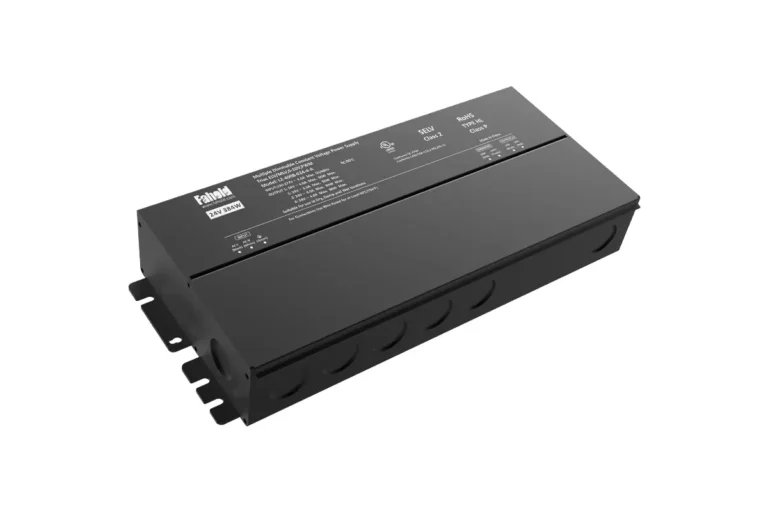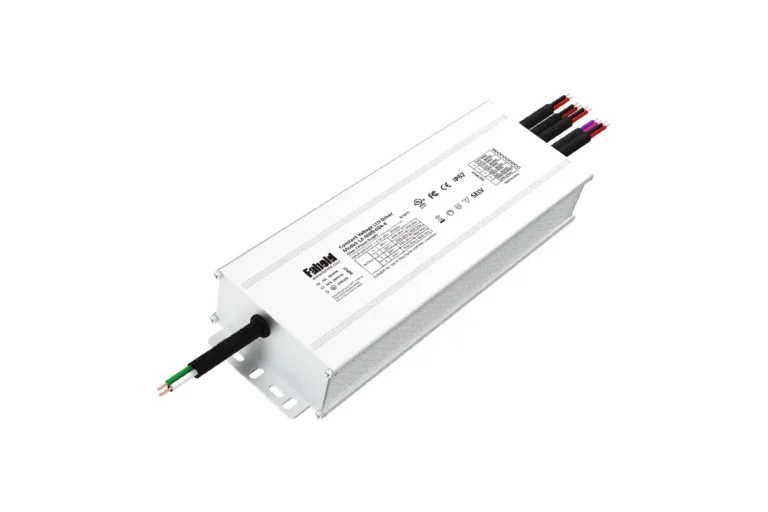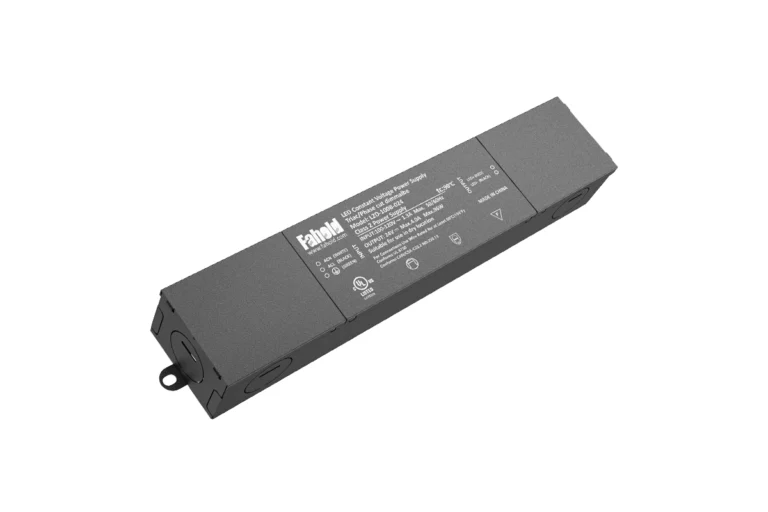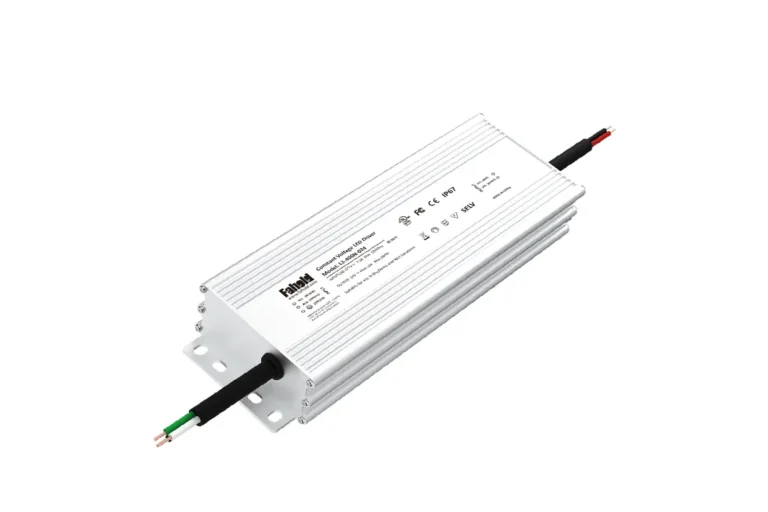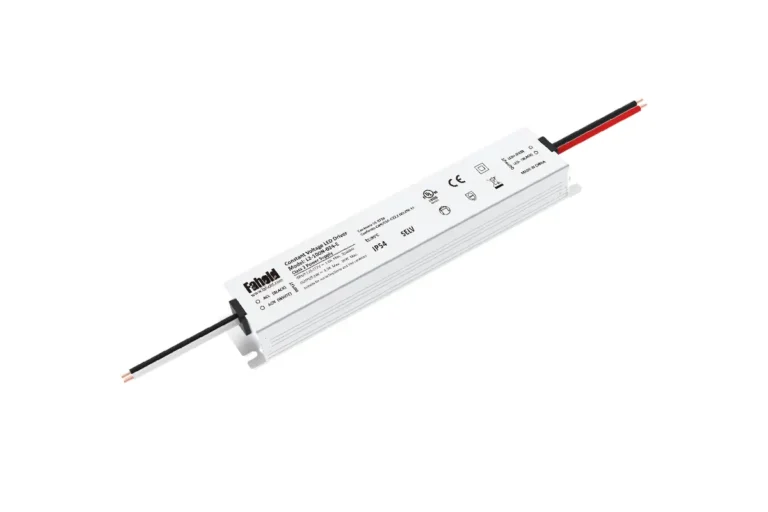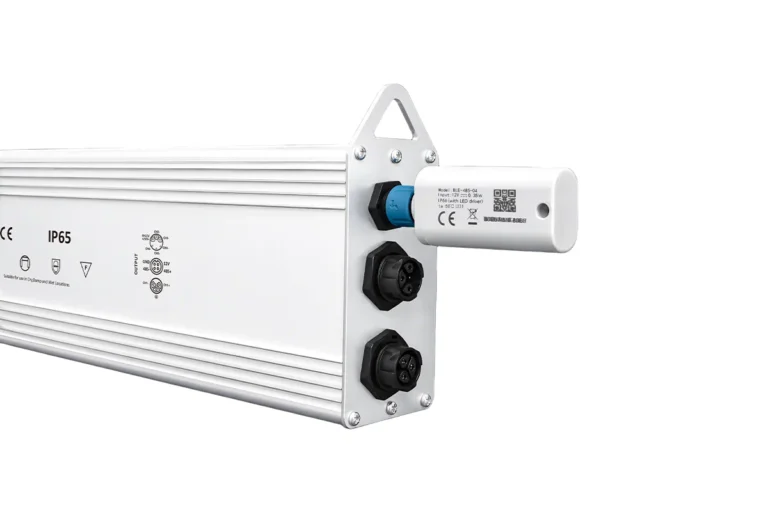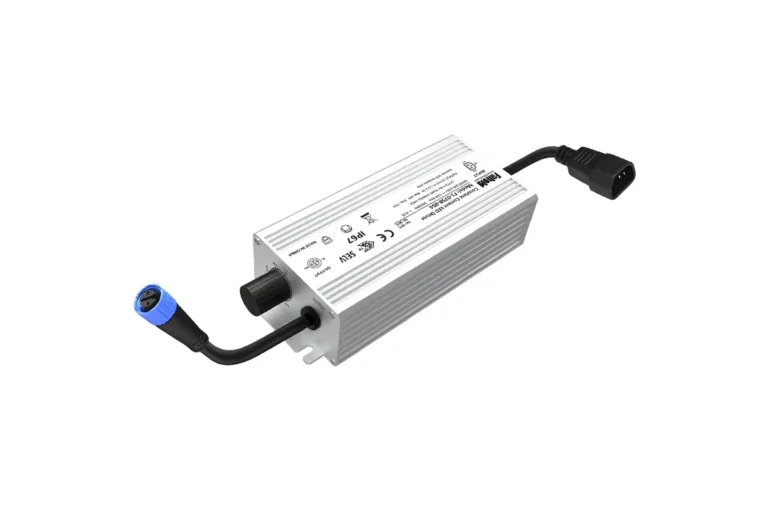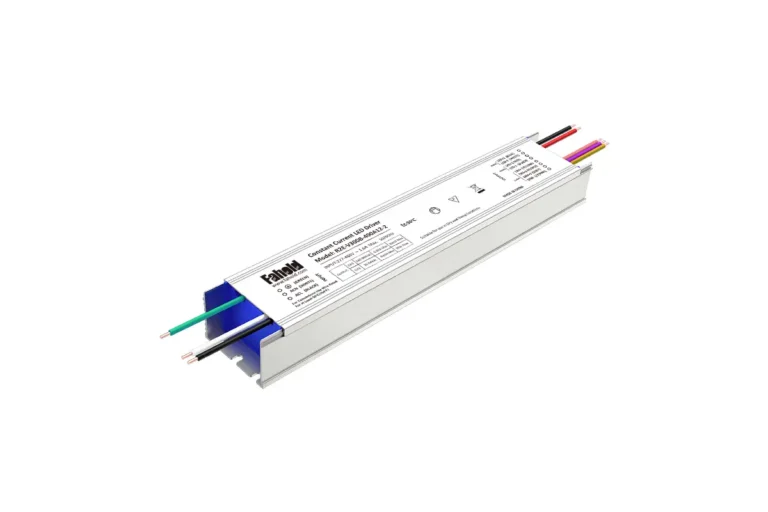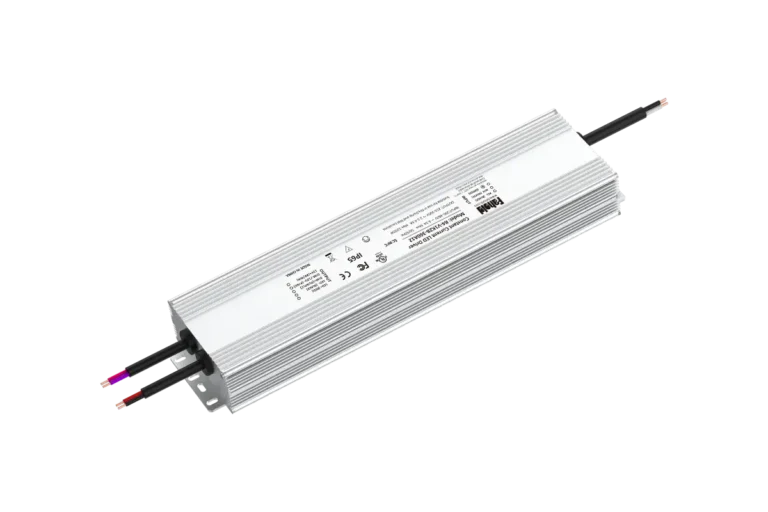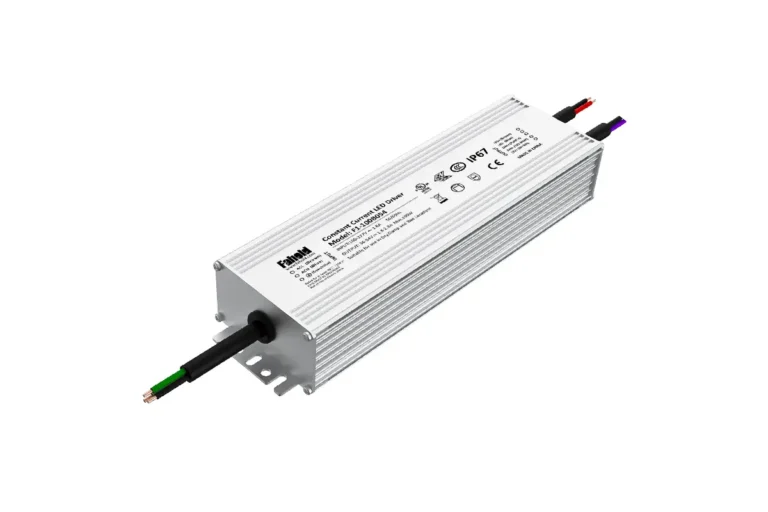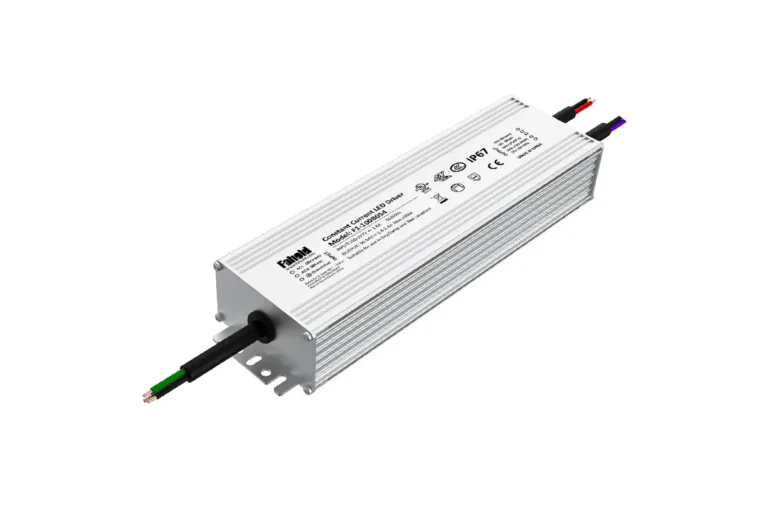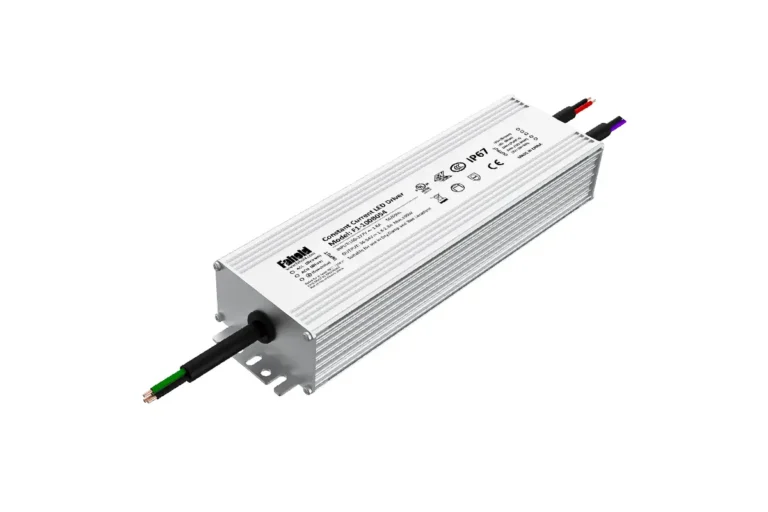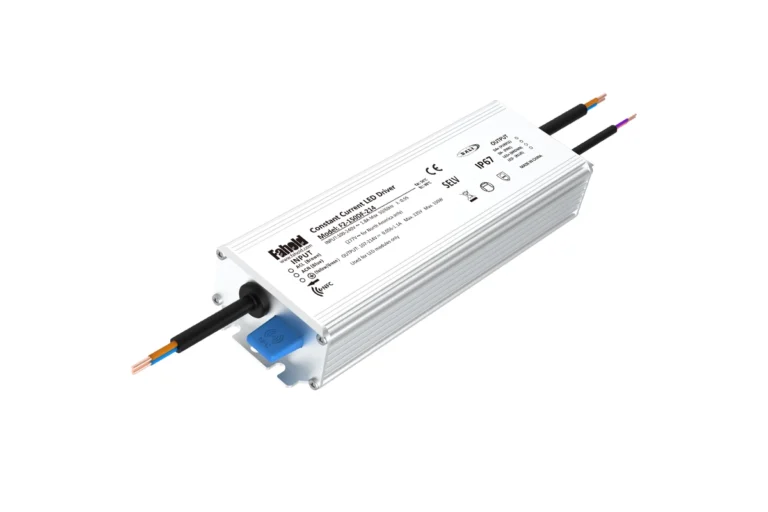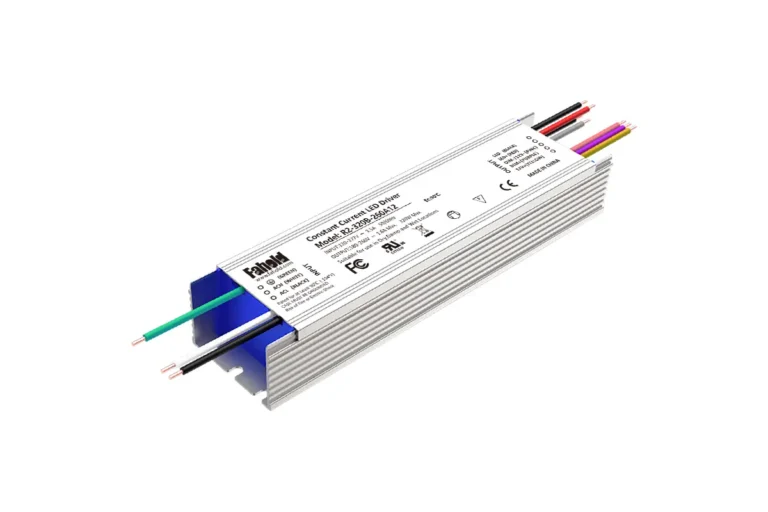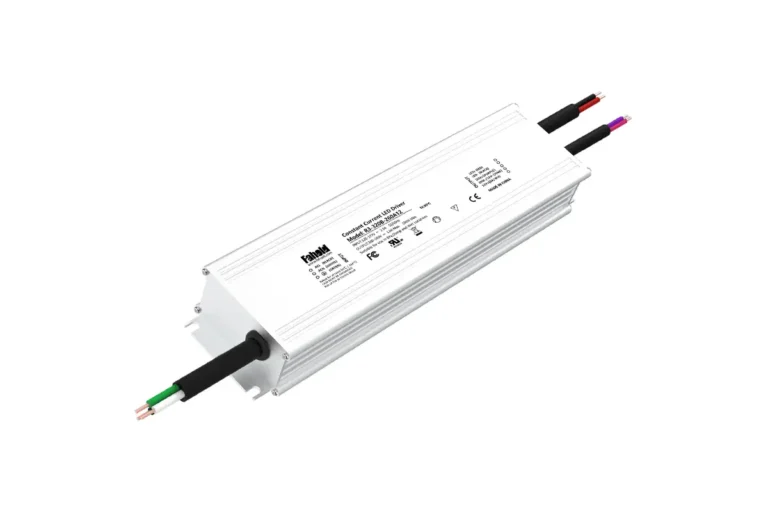
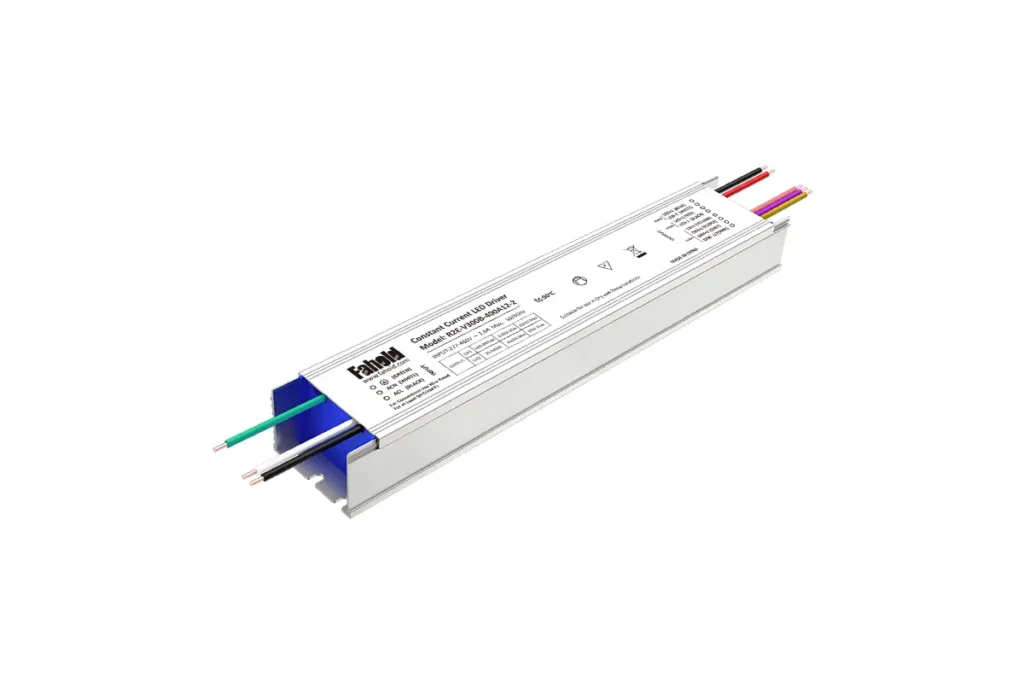
R2-150B-260Z-2 150W Dual-Channel Horticulture LED Driver
- PowerCH1: 150W; CH2: 15W
- Input120-277Vac
- IP RatingIP42 / IP67 (optional)
FAHOLD R2 / R2E-V non-isolated dual-channel horticulture LED drivers are designed for inter-canopy, under-canopy and supplemental grow-light fixtures that require a high-voltage primary LED output together with a separate lower-voltage auxiliary channel. The slim platform combines two independently controlled outputs in one compact driver architecture.
Current models cover two AC input platforms: R2 models for 120–277Vac systems and R2E-V models for 277–480Vac commercial horticulture facilities. Primary-channel power options include 150W, 240W and 300W, with separate 15W or 25W auxiliary outputs depending on model.
Compatible Type B configurations support 0–10V / PWM dimming and independent channel control, with optional timer dimming, 12V auxiliary power and IP67 enclosure configurations. Compare the four models below by AC input, CH1 / CH2 voltage, channel power and fixture-control requirements.
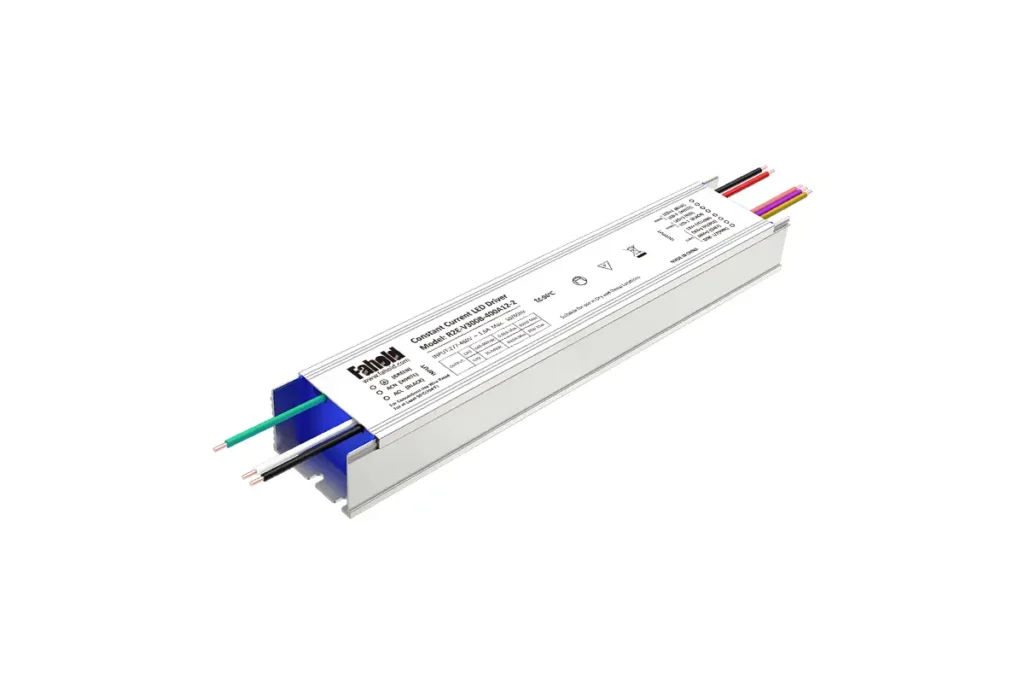
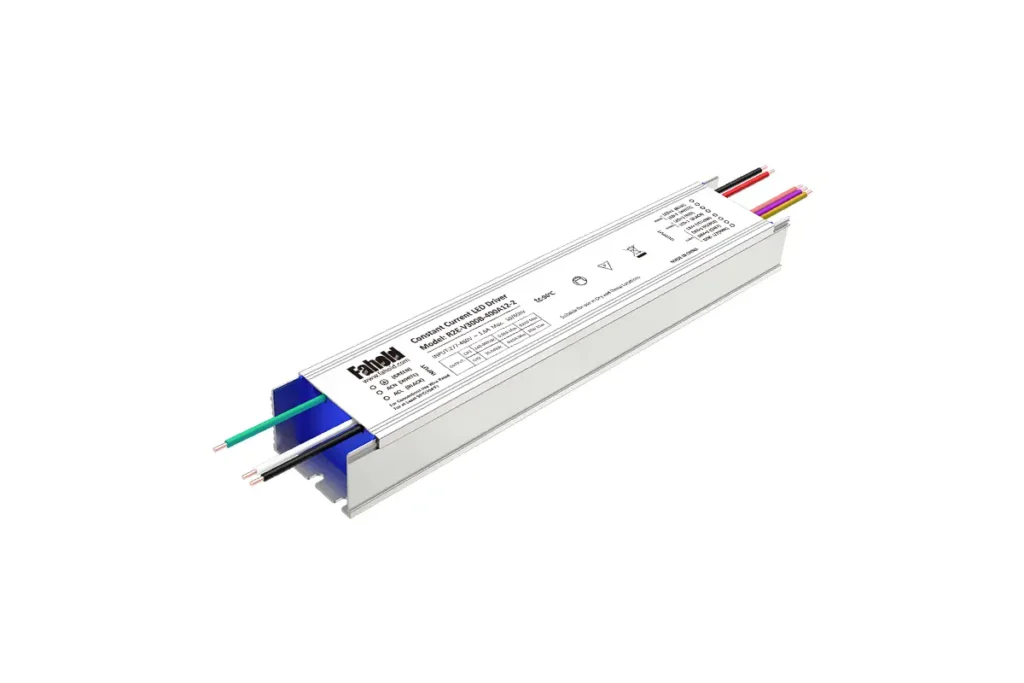
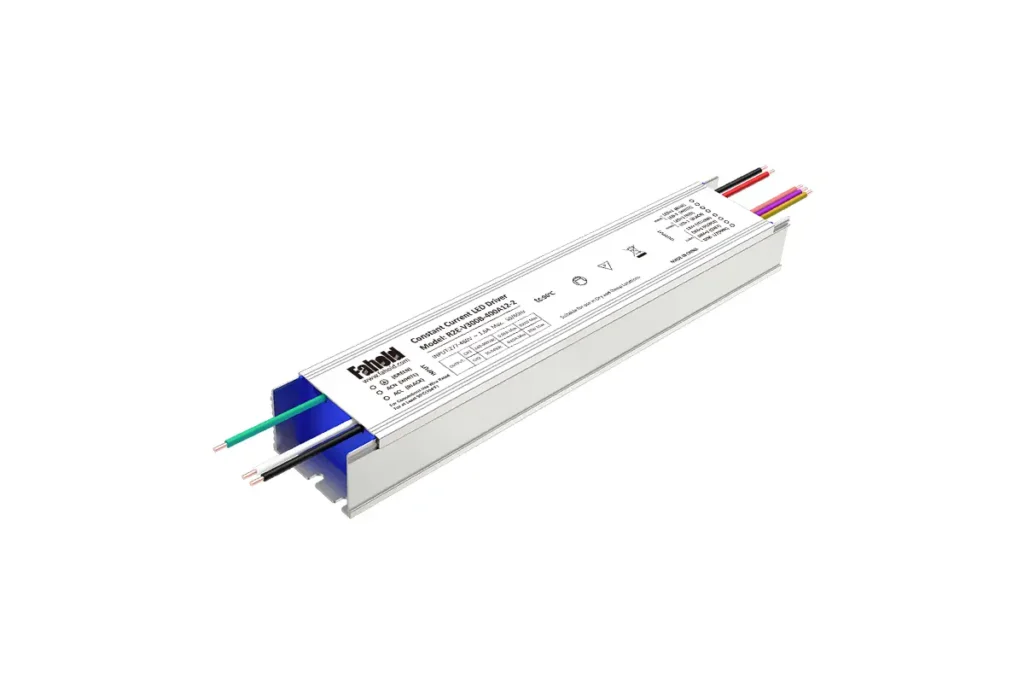
FAHOLD R2 and R2E-V are compact non-isolated dual-channel LED driver platforms developed for inter-canopy, under-canopy and supplemental horticulture lighting. Instead of powering the complete luminaire as one electrical load, these drivers provide a high-voltage primary LED channel together with a separate lower-voltage auxiliary output.
This architecture is useful for slim grow-light fixtures that integrate two different LED loads or lighting functions but have limited mechanical space for separate power supplies. The current product group includes 120–277Vac R2 models and 277–480Vac R2E-V models, allowing similar dual-channel fixture concepts to be adapted to different commercial facility voltages.
The correct model should be selected from the electrical requirements of both LED channels. Primary-channel wattage alone is not enough to confirm compatibility.
The current product family is divided into two distinct AC input ranges rather than one universal 120–480Vac driver.
| Platform | Rated Input | Available Primary Power | Typical Project Direction |
|---|---|---|---|
| R2 | 120–277Vac | 150W / 240W | Inter-canopy, under-canopy and supplemental fixtures using common commercial 120V–277V lighting infrastructure |
| R2E-V | 277–480Vac | 150W / 300W | Compact horticulture fixtures installed in commercial facilities using 277V, 347V or 480V-class electrical distribution |
Choose the R2 direction when the fixture requires operation from a 120–277Vac branch circuit. Choose R2E-V when the project electrical infrastructure operates from 277–480Vac.
Do not treat the category designation “120–480Vac” as the input range of every individual product. Always confirm the rated AC input of the selected model before fixture approval.
| Model Direction | Rated Input | Primary Channel | Auxiliary Channel | Typical Efficiency |
|---|---|---|---|---|
| R2 150W | 120–277Vac | CH1: 150W / 180–260Vdc | CH2: 15W / 27–54Vdc | 93.5% |
| R2 240W | 120–277Vac | CH1: 240W / 180–260Vdc | CH2: 25W / 27–54Vdc | 94% |
| R2E-V 150W | 277–480Vac | CH1: 150W / 150–280Vdc | CH2: 15W / 30–54Vdc | 94% |
| R2E-V 300W | 277–480Vac | CH1: 300W / 240–400Vdc | CH2: 25W / 36–54Vdc | 95% |
The model should be selected from the minimum and maximum forward voltage, required current and maximum power of both channels. The primary and auxiliary LED loads can use very different electrical operating points, which is one of the main reasons to use a dual-channel platform.
A key characteristic of the R2 / R2E-V horticulture platform is the combination of two different LED voltage architectures inside one driver.
The primary channel is intended for the main horticulture LED load and operates at substantially higher DC voltage. The auxiliary channel provides a lower-voltage output for a secondary LED load or supplemental fixture function.
For example, the 120–277Vac R2 products use a 180–260Vdc primary output together with a 27–54Vdc auxiliary channel. The high-voltage R2E-V products use different primary windows according to power level while retaining a separate lower-voltage secondary output.
This arrangement can simplify fixture integration when a grow light contains two electrically different LED sections that must be powered from one compact driver assembly.
The primary and auxiliary LED loads can require different operating behavior. Compatible R2 / R2E-V configurations therefore support independent dual-channel control rather than forcing the two loads to operate as one fixed electrical circuit.
Independent control is useful when the secondary LED section is intended for supplemental lighting, crop-stage adjustment or another fixture-specific lighting function.
When requesting model matching, define the voltage, current and power requirement of CH1 and CH2 separately. Supplying only the total luminaire wattage does not provide enough information to select a dual-channel driver accurately.
Compatible Type B configurations support 0–10V and PWM dimming for horticulture fixture control. These interfaces can be integrated with compatible grow-light controllers and automation systems.
| Control Method | Typical Application | What to Confirm |
|---|---|---|
| 0–10V | Commercial grow-light controllers and centralized horticulture lighting systems | Control signal range, channel wiring and controller compatibility |
| PWM | Fixture controllers and automated cultivation systems | PWM signal requirements, frequency and electrical interface |
The control system should be validated with the actual driver and LED loads because sharing the same protocol name does not automatically guarantee identical signal or wiring requirements.
Current R2 / R2E-V product documentation identifies timer dimming as an optional control function on applicable configurations. This can support fixture designs that require scheduled lighting behavior in addition to standard external dimming control.
Timer functionality is configuration-dependent and should be confirmed during project development rather than assumed to be included with every product shown on this page.
The R2 / R2E-V configuration system also provides an optional 12Vdc auxiliary-power output. This can be useful for compatible fixture electronics, controls or other low-voltage accessory requirements.
The auxiliary-power option is separate from the two primary LED channels and must be specified when the product configuration is defined.
Some dual-channel horticulture fixtures do not require maximum output from both LED sections at the same time. Current R2 / R2E-V product documentation describes dynamic power allocation and optional auxiliary-to-main power transfer for compatible configurations.
This allows the fixture power strategy to be adapted when available driver capacity needs to shift between the primary and secondary lighting sections while remaining within the electrical limits of the driver.
Dynamic power behavior should be defined as part of the OEM fixture specification because the required allocation depends on the LED loads and control strategy.
Inter-canopy lighting is installed within or close to the plant canopy, where available mechanical space can be significantly more limited than in overhead top-light fixtures.
The R2 / R2E-V platform uses a narrow linear enclosure specifically suited to space-constrained horticulture lighting. The compact form factor allows the driver to be integrated close to LED bars or inside slim inter-lighting assemblies while still providing two controlled outputs.
This makes the platform especially relevant to commercial inter-canopy, under-canopy and supplemental lighting where fixture depth, width and cable routing are important mechanical considerations.
Under-canopy fixtures operate below the upper plant canopy and often use narrow linear housings positioned in limited spaces between crop structures.
A dual-channel driver can support a main LED load together with a lower-power secondary lighting section without requiring two separate power supplies. The correct configuration depends on the LED spectrum architecture, board voltage, current and required control behavior of the finished fixture.
The R2 branch provides 120–277Vac input for fixtures that must operate across common commercial lighting voltages. Current products include a 150W primary-channel platform with a 15W auxiliary output and a 240W primary-channel platform with a 25W auxiliary output.
Both use a 180–260Vdc primary LED output together with a 27–54Vdc secondary channel. This shared electrical architecture can simplify development of related inter-canopy fixture power classes.
R2E-V extends the compact dual-channel concept to facilities using high-voltage electrical distribution. Current products operate from 277–480Vac, making them relevant to compatible 277V, 347V and 480V-class horticulture installations.
The 150W R2E-V model uses a 150–280Vdc primary output and 30–54Vdc auxiliary output, while the 300W model uses a higher 240–400Vdc primary window together with a 36–54Vdc secondary channel.
This allows compact inter-canopy and under-canopy fixtures to operate within high-voltage commercial greenhouse infrastructure without moving to a much larger top-grow driver platform.
Current R2 / R2E-V horticulture models use an IP42 standard enclosure configuration with an IP67 option available for applications requiring increased ingress protection.
The appropriate configuration should be selected according to humidity, condensation, cleaning, mounting position and fixture construction. An IP67 driver does not automatically make the entire grow-light fixture IP67; connectors, cables, seals and the luminaire housing must also meet the environmental requirement.
Current models list typical efficiency values from approximately 93.5% to 95%, with power factor above 0.96. Driver efficiency matters in horticulture systems because lighting can operate for long daily periods and electrical losses become heat inside or around the fixture.
Actual efficiency depends on the selected model, input voltage, output operating point and thermal conditions. Efficiency should therefore be evaluated together with channel architecture, voltage, current and enclosure design.
Current R2 / R2E-V dual-channel horticulture products specify differential-mode and common-mode surge protection up to 8kV together with short-circuit, over-current and over-temperature protection.
Driver-level protection should still be combined with correct facility grounding, branch-circuit protection and system-level surge design in commercial horticulture installations.
Both platforms provide multi-channel horticulture power, but they serve very different fixture classes.
| Requirement | R2 / R2E-V | R6-V |
|---|---|---|
| Primary Positioning | Compact inter-canopy, under-canopy and supplemental lighting | High-power commercial top-grow lighting |
| Power Direction | 150W–300W primary-channel platforms | 880W–1500W total high-power platforms |
| AC Input Direction | 120–277Vac / 277–480Vac | 200–480Vac / 277–480Vac |
| Mechanical Direction | Slim linear integration | High-power top-light driver architecture |
Choose R2 / R2E-V when fixture size, inter-canopy installation and compact dual-output integration are the main requirements. For 880W–1500W commercial top-grow systems, compare
R6-V Dual-Channel Grow Light Drivers
.
Inter-canopy and under-canopy fixture development requires closer electrical matching than a standard single-output grow light. The primary and auxiliary LED channels may use completely different voltage, current and power requirements while sharing the same mechanical fixture.
FAHOLD supports R2 / R2E-V project matching, control-interface evaluation, connector and cable requirements, enclosure configuration, samples and OEM/ODM project evaluation. Provide the facility AC input together with CH1 / CH2 voltage, current, power, control method, IP requirement, certification target and expected quantity for accurate model selection.
For the broader dual-channel product range, return to
Non-Isolated Multi-Channel Grow Light Drivers
.
For broader horticulture application selection, see
FAHOLD Grow Lighting Solutions
.
R2 and R2E-V are compact non-isolated dual-channel LED driver platforms for inter-canopy, under-canopy and supplemental horticulture lighting. They provide a high-voltage primary LED output together with a separate lower-voltage auxiliary channel in one slim driver architecture.
The product group covers projects from 120V through 480V using two separate input platforms. R2 models are rated for 120–277Vac, while R2E-V models are rated for 277–480Vac. No current model on this page should be assumed to support the full 120–480Vac range as one continuous input specification.
Current models include 150W and 240W primary-channel options for 120–277Vac systems, together with 150W and 300W primary-channel options for 277–480Vac systems. Auxiliary-channel power is 15W or 25W depending on model.
The 120–277Vac R2 models use a 180–260Vdc primary channel and 27–54Vdc auxiliary channel. R2E-V models use either 150–280Vdc with 30–54Vdc auxiliary output or 240–400Vdc with 36–54Vdc auxiliary output depending on model.
Yes. The platform is designed for inter-lighting, under-canopy and supplemental horticulture fixtures where a slim mechanical profile and two independently controlled LED outputs are required. Final model selection depends on the electrical requirements of both LED channels.
Yes. Compatible R2 / R2E-V dual-channel configurations support independent control of the primary and auxiliary LED loads. Each channel's voltage, current, power and control requirements should be defined separately during fixture design.
Yes. Type B configurations support 0–10V and PWM dimming. Timer dimming is also identified as an optional function on the current platform. Exact control wiring and configuration should be confirmed for the selected model.
Current models are listed with IP42 as the standard enclosure direction and an optional IP67 configuration. The complete fixture still requires suitable connectors, cables, seals and housing to achieve the required environmental protection.
Yes. Current R2E-V models use a 277–480Vac rated-input platform, making them relevant to compatible commercial horticulture facilities using 347V or 480V-class distribution. The complete fixture and project electrical requirements must still be verified.
Provide the facility AC input plus the minimum and maximum LED voltage, operating current and maximum power for both CH1 and CH2. Also specify the dimming method, whether independent control or dynamic power allocation is required, IP rating, certification target and expected quantity.