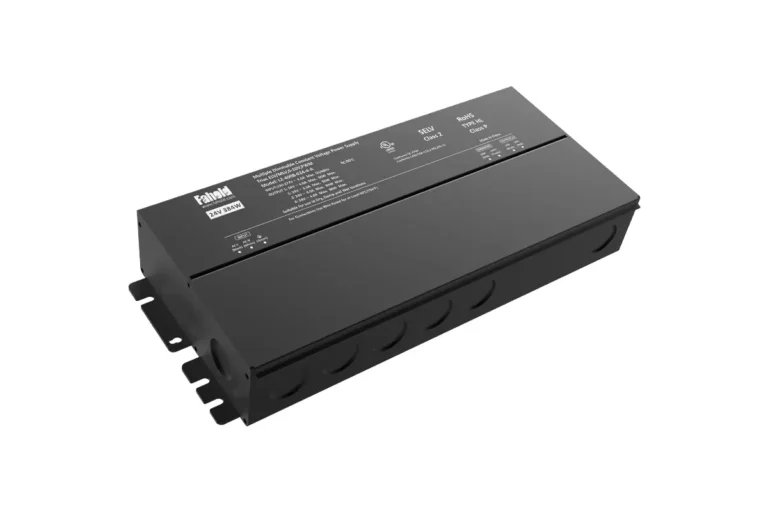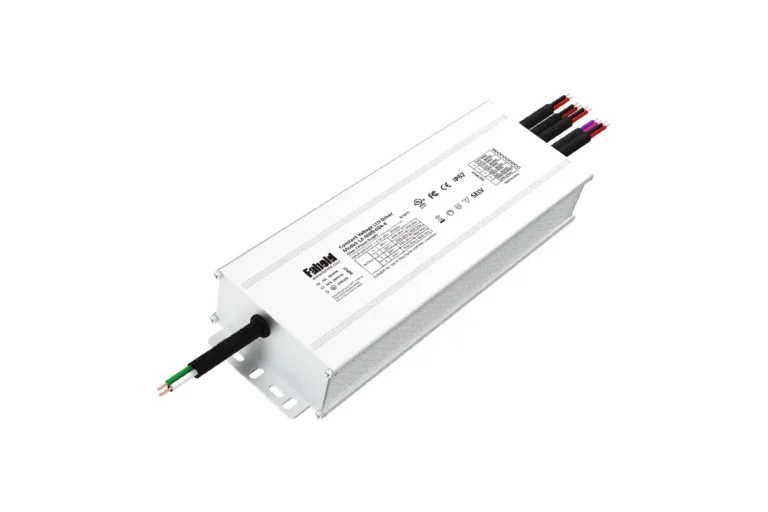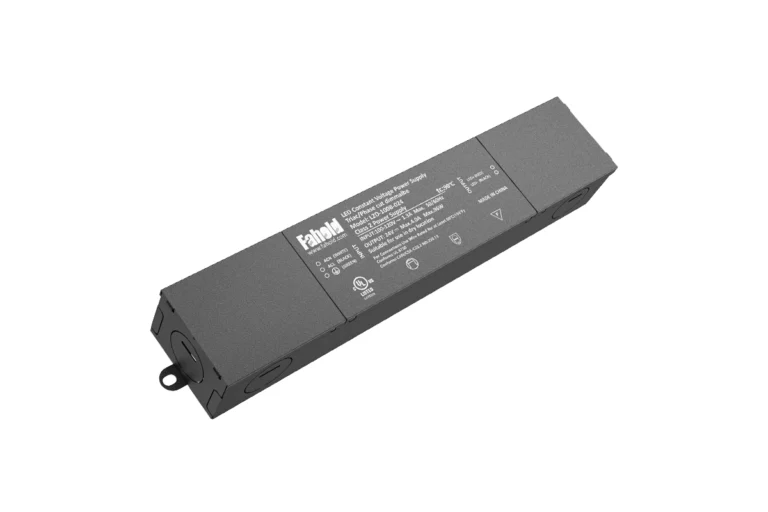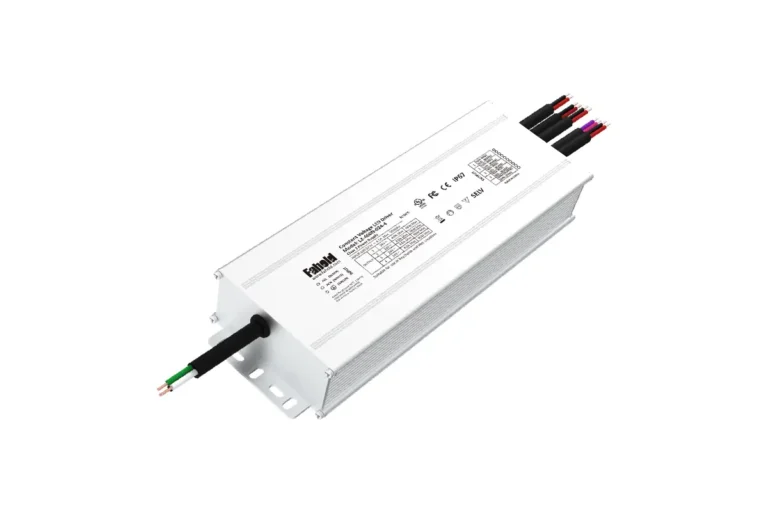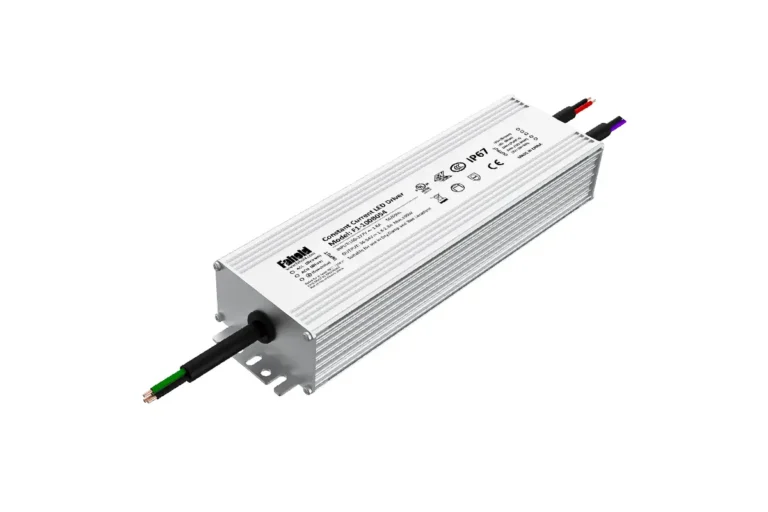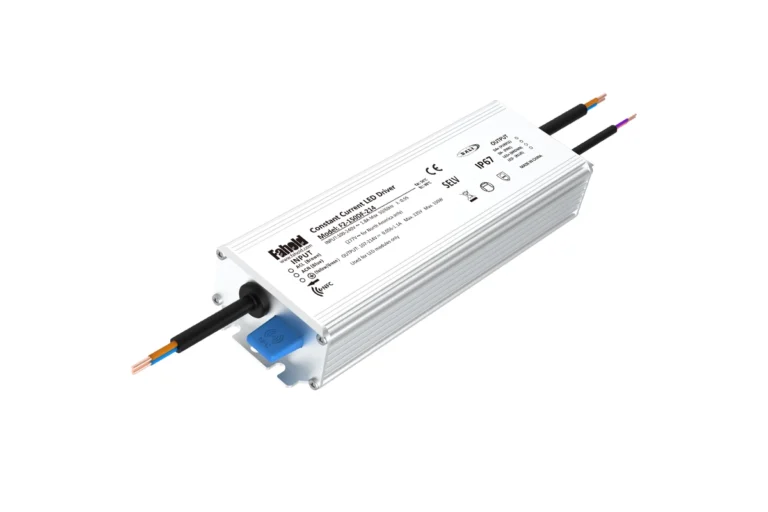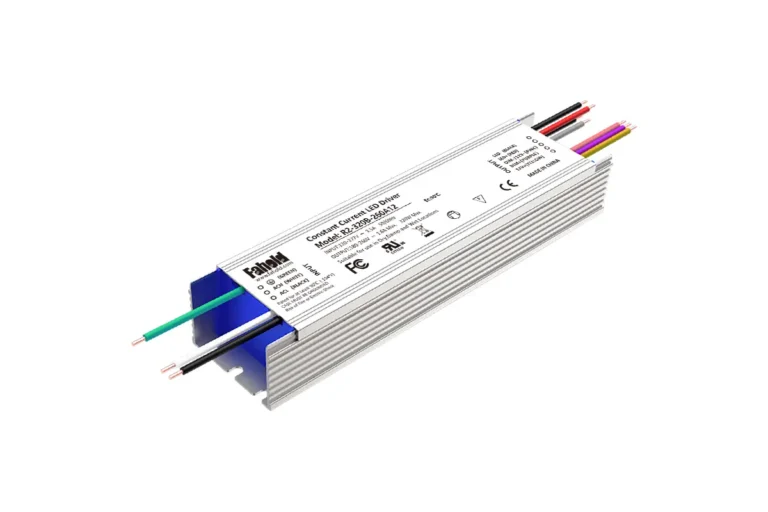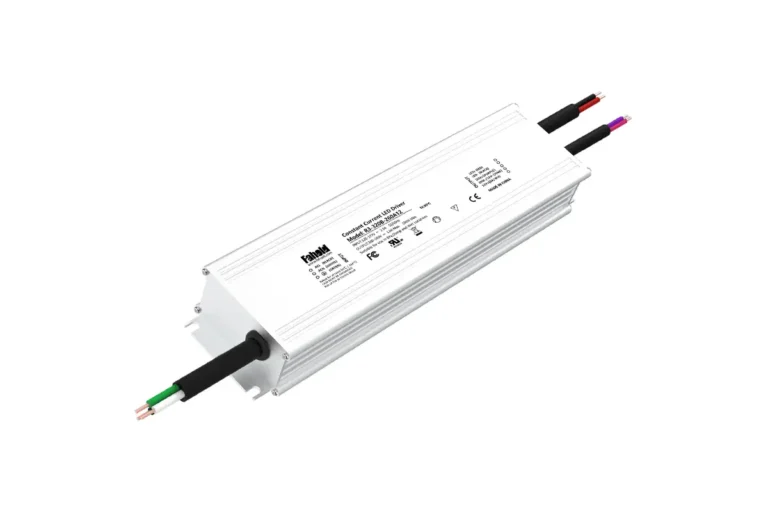
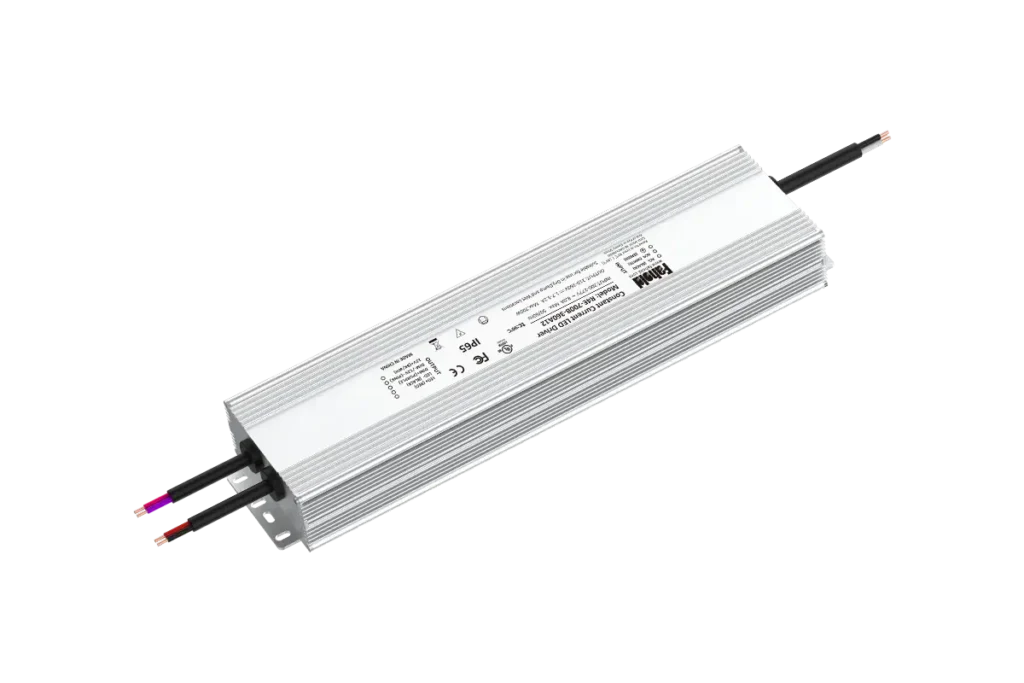
R4E 200–277V High-Power Grow Light Driver
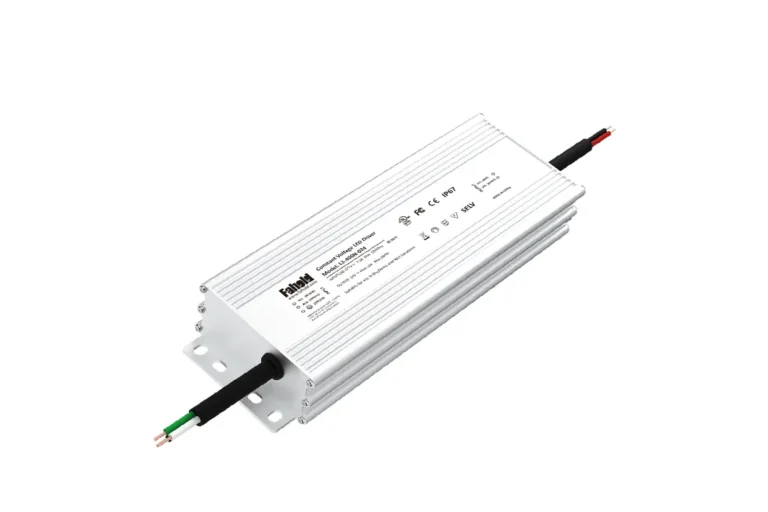
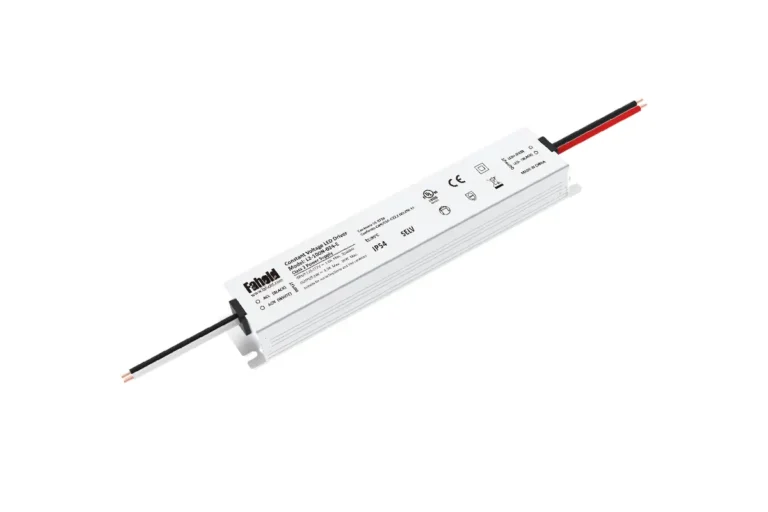
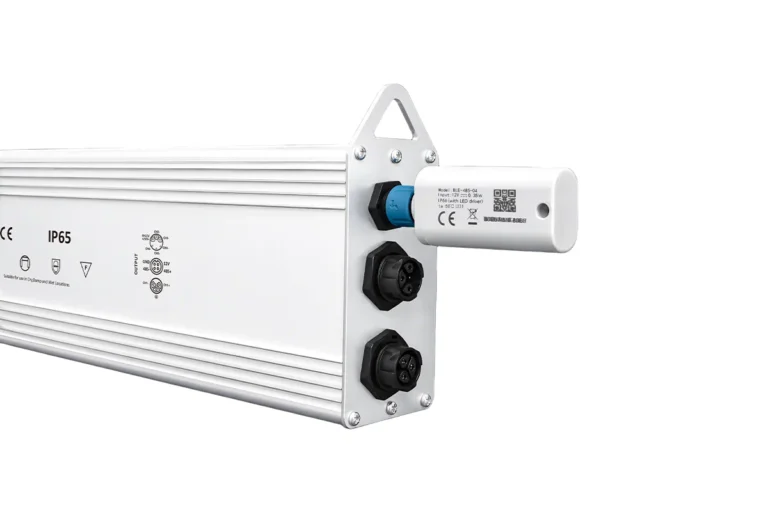
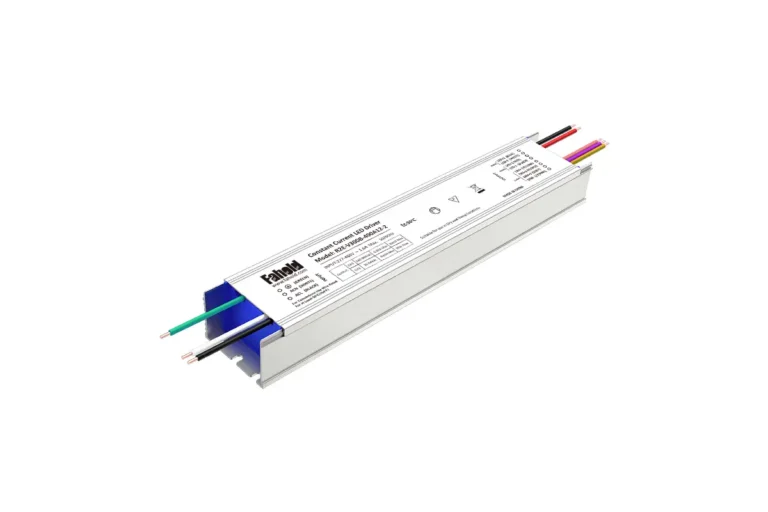
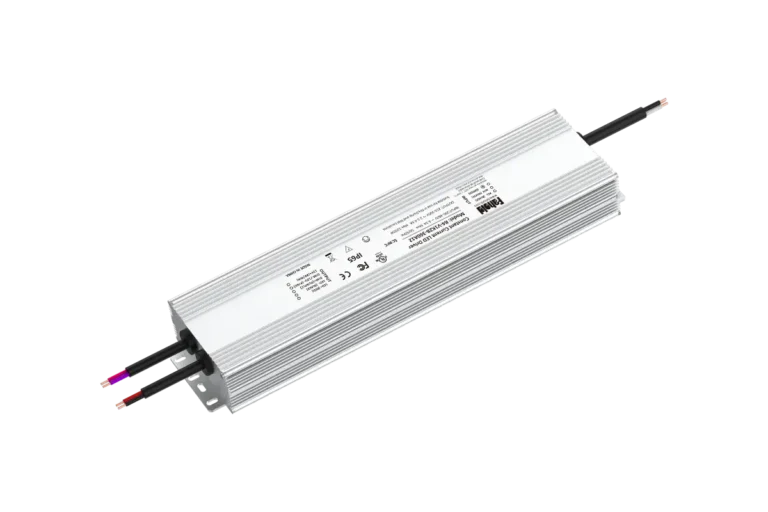
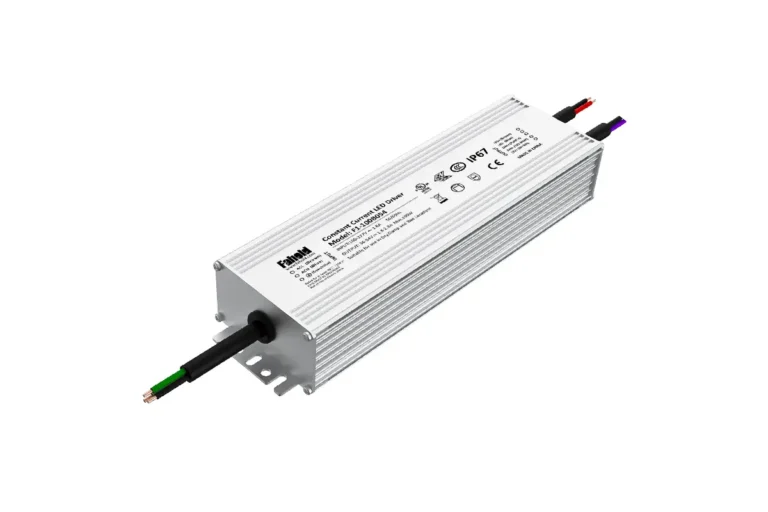
FAHOLD R4E 200–277V high-power grow light drivers are non-isolated single-channel constant-current power solutions for commercial horticulture fixtures, LED bar lights and professional indoor grow-light systems. The series combines a slim programmable architecture with a 210–360Vdc output platform for high-voltage LED-string designs.
Current R4E models cover 500W, 700W, 800W, 1000W and 1200W, with full-power output-current capability from approximately 1.05A to 4.50A depending on model. Compatible Type B configurations support offline programming, 0–10V / PWM / resistor dimming, Dim-to-Off and soft-start, while all current R4E products use an IP65 enclosure platform.
Compare the five models below by wattage, LED voltage window, output current and control requirements. FAHOLD also supports electrical matching, programmable-output configuration, datasheets, samples and OEM/ODM commercial grow-light projects.
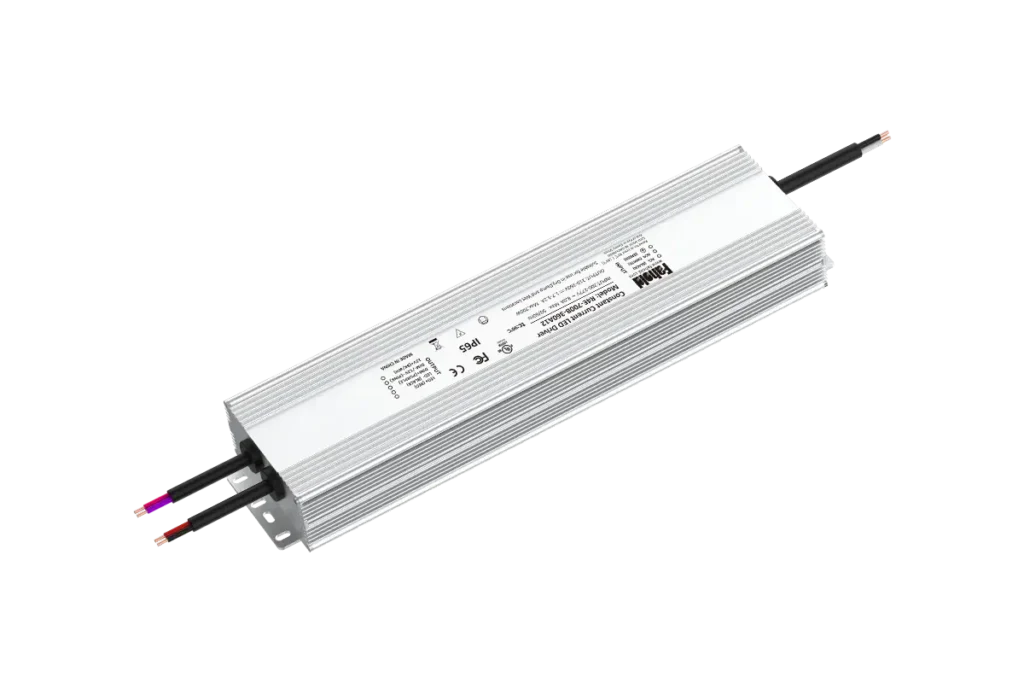
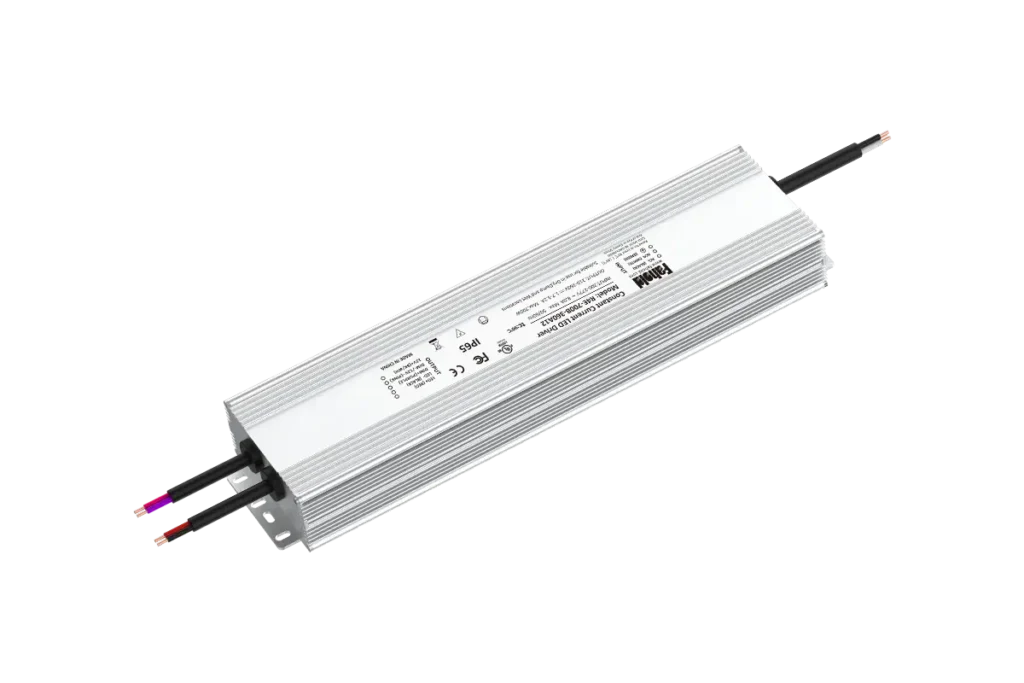
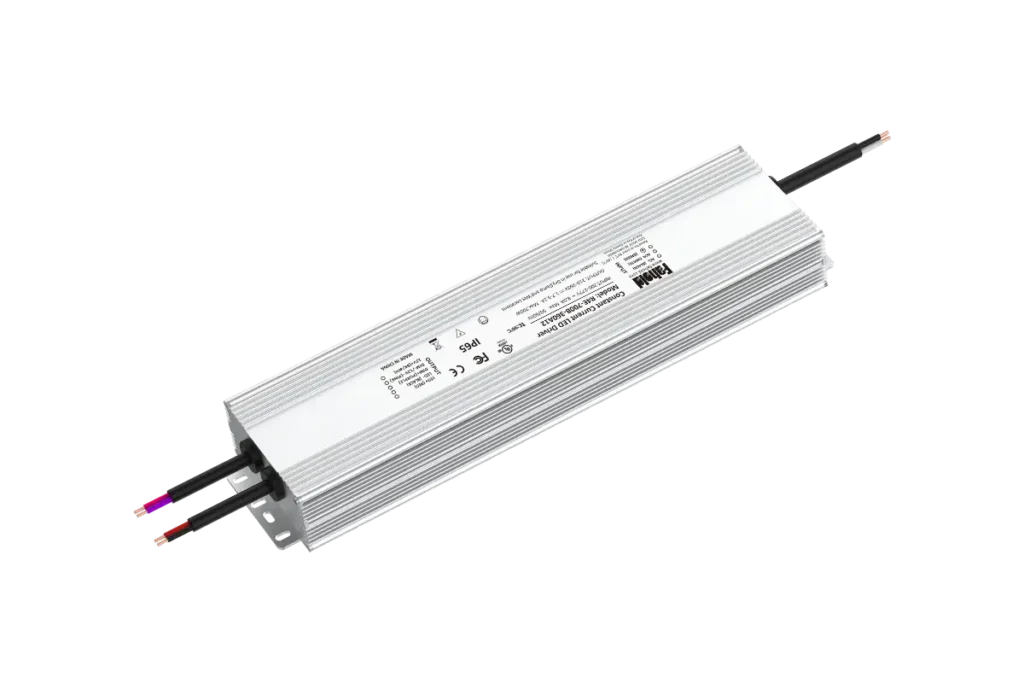
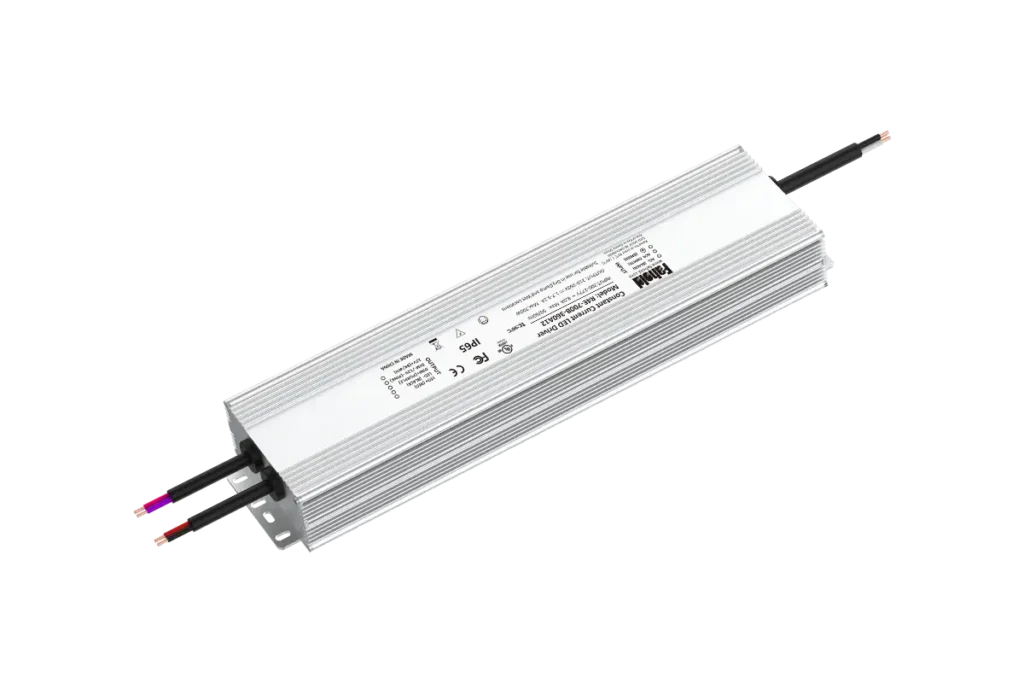
R4E 200–277V High-Power Grow Light LED Drivers
FAHOLD R4E is the 200–277Vac branch of the R4 high-power non-isolated single-channel LED driver platform. It is developed for commercial grow lights, LED bar fixtures, greenhouse luminaires and other professional horticulture systems that use one regulated high-voltage LED load.
The current R4E range covers 500W, 700W, 800W, 1000W and 1200W. All models use a 210–360Vdc constant-current output platform together with offline programmable output and a slim linear enclosure designed for high-power-density fixture integration.
The correct R4E model should be selected according to the complete LED forward-voltage window, required output current, maximum fixture wattage and control architecture rather than wattage alone.
Compare R4E 500W, 700W, 800W, 1000W and 1200W Models
| Power Class | Rated Input | Output Voltage | Full-Power Output Current | Typical Efficiency |
|---|---|---|---|---|
| 500W | 200–277Vac | 210–360Vdc | 1.05–2.10A | 96.0% |
| 700W | 200–277Vac | 210–360Vdc | 1.70–3.20A | 96.0% |
| 800W | 200–277Vac | 210–360Vdc | 1.70–3.40A | 96.5% |
| 1000W | 200–277Vac | 210–360Vdc | 2.10–4.20A | 97.0% |
| 1200W | 200–277Vac | 210–360Vdc | 2.10–4.50A | 97.0% |
Because all five models share the same broad LED voltage window, final selection is primarily determined by required current, maximum power and fixture operating point. The LED load must remain inside both the voltage and current limits of the selected driver.
200–277Vac Grow Light Drivers for Commercial Horticulture
R4E is designed specifically around 200–277Vac electrical infrastructure. This makes the platform relevant to commercial horticulture systems using common higher-voltage supply conditions such as 208Vac, 240Vac and 277Vac.
A dedicated 200–277Vac platform can be useful when the grow-light fixture does not need operation from nominal 120Vac and the facility electrical design is standardized around higher commercial voltages.
For projects that must also support nominal 120Vac input, compare the
R4 120–277Vac Grow Light Drivers
.
For projects using 347V or 480V-class distribution, compare the
R4-V 200–480Vac High-Power Grow Light Drivers
.
210–360Vdc Constant-Current Output for High-Voltage LED Strings
All current R4E models use a 210–360Vdc constant-current output platform. This architecture is intended for horticulture LED boards and long LED-string designs operating at substantially higher voltage than common 40V–60V high-current grow-light architectures.
Higher LED-string voltage allows substantial fixture power to be delivered at comparatively lower DC current. This can influence output cable requirements, PCB current paths, connector design and power density inside a high-power grow-light fixture.
Because R4E uses a non-isolated architecture, the LED-side voltage must be considered as part of the complete luminaire safety design. Accessible parts, insulation, PCB spacing, wiring, connectors, enclosure construction and certification requirements must all be evaluated together.
500W R4E Grow Light LED Driver
The 500W R4E model provides 210–360Vdc constant-current output with approximately 1.05–2.10A full-power current capability. It is the lowest-power product in the current 200–277Vac R4E group.
This configuration is relevant to medium-power commercial horticulture fixtures and slim LED bar systems that require a programmable high-voltage LED driver but do not need the higher power capability of the 700W–1200W models.
700W R4E Grow Light LED Driver
The 700W R4E model extends the platform to approximately 1.70–3.20A while retaining the same 210–360Vdc output architecture and 200–277Vac rated input.
This power class can support commercial indoor-grow and greenhouse luminaires where higher LED output is required while maintaining a slim single-channel driver architecture.
800W R4E Programmable Grow Light Driver
The 800W R4E model provides approximately 1.70–3.40A across the 210–360Vdc output window and reaches approximately 96.5% typical efficiency.
The platform is relevant to high-output LED bar grow lights and commercial horticulture fixtures where programmable output, external control and low driver losses are important design requirements.
1000W R4E High-Efficiency Horticulture LED Driver
The 1000W R4E model provides approximately 2.10–4.20A full-power current capability and reaches approximately 97% typical efficiency.
At the 1kW fixture level, even small improvements in conversion efficiency can reduce wasted electrical energy and driver-generated heat across a large commercial grow-light installation.
1200W R4E Grow Light LED Driver
The 1200W model is the highest-power product in the current R4E 200–277Vac range. It provides approximately 2.10–4.50A across the 210–360Vdc output window and is listed at approximately 97% typical efficiency.
At this power level, the driver should be evaluated together with LED-board layout, cabling, connectors, thermal management, enclosure temperature and the facility electrical system.
Programmable 200–277V Grow Light Drivers
R4E supports offline programmable output. Supported electrical parameters can be configured within the operating limits of the selected driver to match different LED-board currents, fixture wattages or OEM product variants.
Programming can help grow-light manufacturers standardize a smaller number of driver platforms across several fixture SKUs. Different luminaires may share the same basic R4E hardware while using different programmed current or power settings, provided those operating points remain inside the approved electrical and thermal limits.
Programming requirements should be defined before production so electrical settings, fixture labels and final product specifications remain consistent.
0–10V Dimming for Commercial Grow Lights
Compatible R4E Type B configurations support 0–10V dimming for commercial horticulture lighting-control systems. This allows grow-light intensity to respond to crop-growth stage, facility schedules, energy strategies and centralized environmental control.
The controller signal range, control wiring and system compatibility should be confirmed during fixture validation because different 0–10V lighting-control products can use different electrical implementations.
PWM and Resistor 3-in-1 Dimming
Type B R4E configurations also support PWM and resistor-based dimming as part of the R4 platform's 3-in-1 control architecture.
| Control Method | Typical Use | What to Confirm |
|---|---|---|
| 0–10V | Commercial greenhouse and grow-light controllers | Signal range, control wiring and compatibility |
| PWM | Fixture controllers and horticulture automation systems | Signal level, frequency and driver requirements |
| Resistor / Rx | External resistance-based output adjustment | Supported resistance range and interface requirements |
The exact dimming configuration should be specified when requesting samples or quotations rather than assumed from the R4E series name alone.
Type B vs Type N R4E Configurations
The current R4 configuration system separates dimmable and non-dimmable versions.
| Configuration | Function | Typical Use |
|---|---|---|
| Type B | Programmable configuration with 0–10V / PWM / resistor 3-in-1 dimming | Commercial grow lights requiring adjustable external control |
| Type N | Non-dimmable configuration | Fixed-output horticulture fixtures without external dimming requirements |
Confirm the required configuration during product selection so the finished driver matches the fixture-control architecture.
Dim-to-Off for Horticulture Lighting
Compatible Type B R4E configurations support Dim-to-Off. This allows the LED output to switch fully off when the control signal reaches the lower threshold instead of leaving visible residual light.
Complete shutdown can be important in controlled-environment agriculture where defined dark periods form part of the cultivation schedule.
Soft-Start for High-Power Fixtures
R4E Type B configurations also support soft-start behavior. Controlled startup can help provide more predictable turn-on behavior in high-power commercial grow-light systems.
Startup behavior should be evaluated together with the actual controller, LED load and facility power architecture during fixture validation.
Optional RJ12 and Knob Dimming
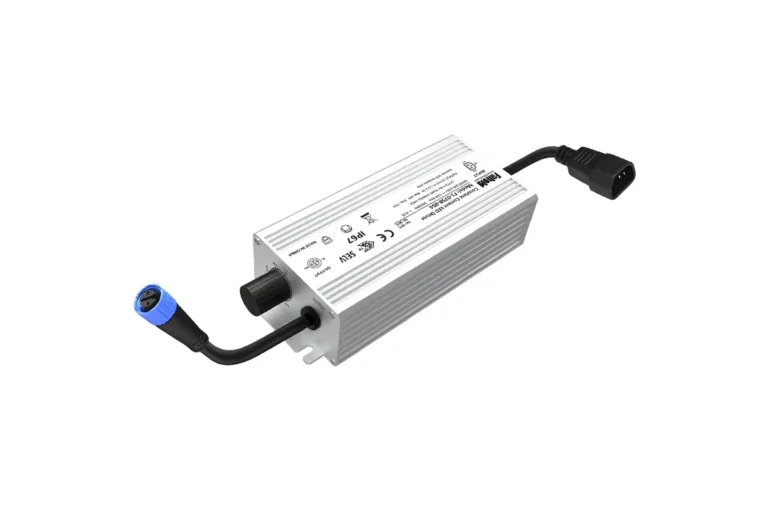
Optional R4 configurations provide an RJ12 interface together with knob dimming for fixture designs requiring local manual adjustment or a convenient control connection.
This option is configuration-dependent and should be defined when ordering samples or production units.
Optional 12V Auxiliary Output
A 12V auxiliary-output configuration is also available for compatible R4E products. This low-voltage supply can support appropriate fixture electronics, sensors or control components.
The required auxiliary configuration should be specified together with the dimming and programming requirements during project development.
96–97% Typical Efficiency for Commercial Grow Lighting
High conversion efficiency is particularly important in commercial horticulture because grow-light fixtures can operate for long daily periods.
Current R4E technical data lists approximately 96% typical efficiency for the 500W and 700W models, 96.5% for the 800W model, and 97% for the 1000W and 1200W platforms. Typical power factor is above 0.95 across all five current models.
Actual efficiency depends on AC input voltage, LED operating voltage, current and thermal conditions, so the expected fixture operating point should be considered during driver selection.
IP65 Grow Light Drivers for Professional Horticulture
Current R4E models use an IP65 enclosure platform for professional horticulture and high-power lighting applications.
IP65 applies to the driver enclosure itself. Connectors, cable entries, fixture housing, seals, mounting orientation and thermal design must also be appropriate for the actual grow-room or greenhouse environment.
SCP, OVP and OTP Protection
The R4 platform includes short-circuit protection, over-voltage protection and over-temperature protection for high-power fixture integration.
Driver-level protection should be combined with correct facility grounding, branch-circuit protection, enclosure design and fixture-level thermal engineering.
Slim 500W–1200W Grow Light Driver Architecture
R4E uses a slim linear enclosure designed to combine high output power with relatively limited width and height. This architecture is particularly relevant to long LED bar fixtures and commercial grow-light designs where driver installation space is restricted.
Current R4E models remain approximately 85–89mm wide while power increases from 500W to 1200W, although driver length varies by power class. Mechanical drawings should therefore be reviewed before fixture mounting points and tooling are finalized.
Applications for R4E 200–277V Grow Light Drivers
Commercial Indoor Grow Lights
R4E provides 500W to 1200W options for professional indoor-grow fixtures operating from commercial 200–277Vac electrical infrastructure.
LED Bar Grow Lights
The slim linear enclosure and high-voltage 210–360Vdc output architecture are well suited to commercial LED bar fixtures where high power density and limited mechanical space are priorities.
Greenhouse Horticulture Fixtures
Greenhouse luminaires using a single non-isolated high-voltage LED load can use R4E when the facility input falls within 200–277Vac and the LED voltage and current requirements match the selected model.
How to Select the Right R4E 200–277V Grow Light Driver
- Confirm the facility AC input.
Verify that the project electrical supply falls within the 200–277Vac rated-input range. - Define the LED forward-voltage window.
Provide the minimum, nominal and maximum voltage of the horticulture LED load. - Confirm compatibility with 210–360Vdc.
The complete LED operating range must remain within the R4E output window. - Determine the required current.
Match the LED operating current to the current range of the 500W, 700W, 800W, 1000W or 1200W model. - Select the appropriate power class.
Use the actual maximum LED electrical load rather than the fixture marketing wattage alone. - Define the dimming configuration.
Specify Type B for 0–10V / PWM / resistor control or Type N when external dimming is not required. - Define the programmed output.
If offline programming is required, specify the target current and power before production. - Specify auxiliary-interface requirements.
Confirm whether RJ12, knob dimming or 12V auxiliary power is required. - Review environmental and thermal conditions.
Check IP65 integration, operating temperature, mounting location and fixture cooling. - Confirm safety and certification requirements.
Because R4E uses a non-isolated high-voltage output architecture, the complete luminaire safety design must be reviewed before production approval.
R4 vs R4E vs R4-V Grow Light Drivers
The three R4 branches share the same broader non-isolated architecture and 210–360Vdc output platform but target different facility input ranges.
| Platform | Rated Input | Power Direction | Typical Selection Scenario |
|---|---|---|---|
| R4 | 120–277Vac | 400W–1000W | Projects requiring broad 120V through 277V compatibility |
| R4E | 200–277Vac | 500W–1200W | Commercial grow-light projects standardized around 208V / 240V / 277V-class infrastructure |
| R4-V | 200–480Vac | 400W–1200W | High-voltage horticulture facilities using compatible 347V or 480V-class distribution |
For broader lower-voltage compatibility, compare
R4 120–277Vac Grow Light Drivers
.
For high-voltage facilities, compare
R4-V 200–480Vac Grow Light Drivers
.
R4E Grow Light Driver Manufacturer for OEM Fixtures
Commercial horticulture fixture development requires accurate coordination between the LED board, driver and complete luminaire. LED voltage, output current, programmed power, dimming protocol, auxiliary interfaces, mechanical space, thermal conditions and certification requirements can all affect the final driver configuration.
FAHOLD supports R4E model matching, programmable-output evaluation, technical datasheets, samples and OEM/ODM commercial grow-light projects. For accurate pre-selection, provide the facility AC input, LED voltage range, required current, maximum fixture wattage, dimming method, optional interfaces, target certification and expected quantity.
For the broader product category, return to
Non-Isolated Single-Channel Grow Light Drivers
.
For complete R4E dimensions, model coding, configuration options and technical data, review the
R4 High-Power Non-Isolated Grow Light LED Driver Series
.
Frequently Asked Questions
What is the FAHOLD R4E 200–277V grow light LED driver?
FAHOLD R4E is a high-power non-isolated single-channel constant-current LED driver platform for commercial grow-light and horticulture fixtures. The current 200–277Vac range includes 500W, 700W, 800W, 1000W and 1200W models using a 210–360Vdc output platform.
What wattages are available for R4E grow light drivers?
The current R4E product range includes 500W, 700W, 800W, 1000W and 1200W models. Final selection should also consider the LED voltage window and required output current rather than wattage alone.
What output-voltage range does the R4E Series use?
All current R4E models use a 210–360Vdc constant-current output platform. The connected LED board's complete minimum-to-maximum forward-voltage range must remain within this operating window.
How much output current can R4E grow light drivers provide?
Current R4E models cover approximately 1.05–2.10A at 500W, 1.70–3.20A at 700W, 1.70–3.40A at 800W, 2.10–4.20A at 1000W and 2.10–4.50A at 1200W. Final compatibility depends on both LED voltage and required operating current.
Are R4E horticulture LED drivers programmable?
Yes. R4E supports offline programmable output. Supported parameters can be configured within the electrical limits of the selected driver to match different LED-board currents, fixture wattages and OEM product requirements.
Does R4E support 0–10V, PWM and resistor dimming?
Yes. Compatible Type B configurations support 0–10V, PWM and resistor-based 3-in-1 dimming together with Dim-to-Off and soft-start. Type N identifies the non-dimmable configuration.
What is the difference between R4, R4E and R4-V grow light drivers?
R4 uses 120–277Vac input, R4E uses 200–277Vac input and R4-V uses 200–480Vac input. All three use the broader R4 non-isolated 210–360Vdc output architecture, but their available power classes and facility-input requirements differ.
How efficient are R4E grow light drivers?
Current R4E models are listed at approximately 96% typical efficiency for 500W and 700W, 96.5% for 800W and 97% for 1000W and 1200W. Typical power factor is above 0.95 across all five models.
Are R4E grow light drivers suitable for greenhouse applications?
Current R4E models use an IP65 enclosure platform for professional horticulture and high-power lighting applications. Final greenhouse suitability also depends on connectors, cable sealing, fixture housing, mounting conditions, humidity, temperature and the complete luminaire design.
How do I choose between the 500W, 700W, 800W, 1000W and 1200W R4E models?
Start with the LED board's minimum and maximum forward voltage and confirm that it fits within the 210–360Vdc output window. Then match the required operating current and maximum fixture power to the appropriate R4E model, followed by dimming, programming, auxiliary-interface, IP and certification requirements.