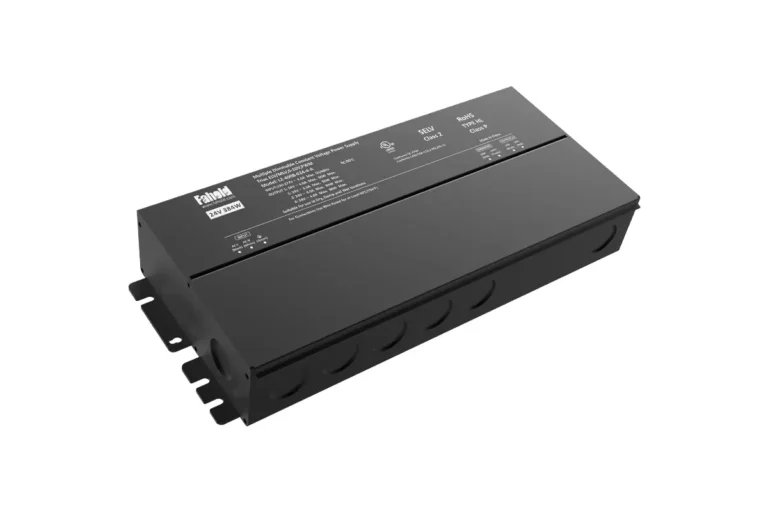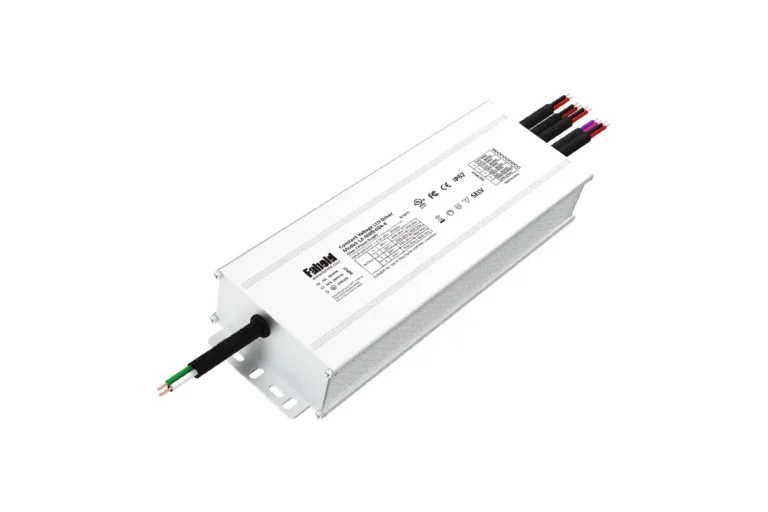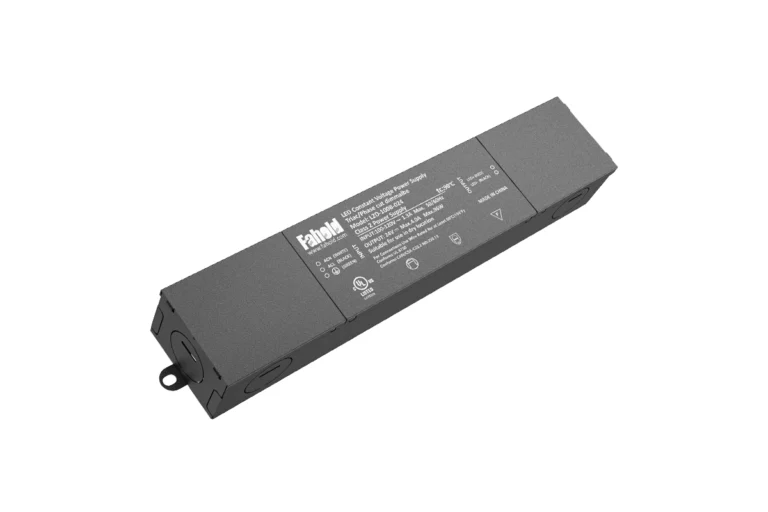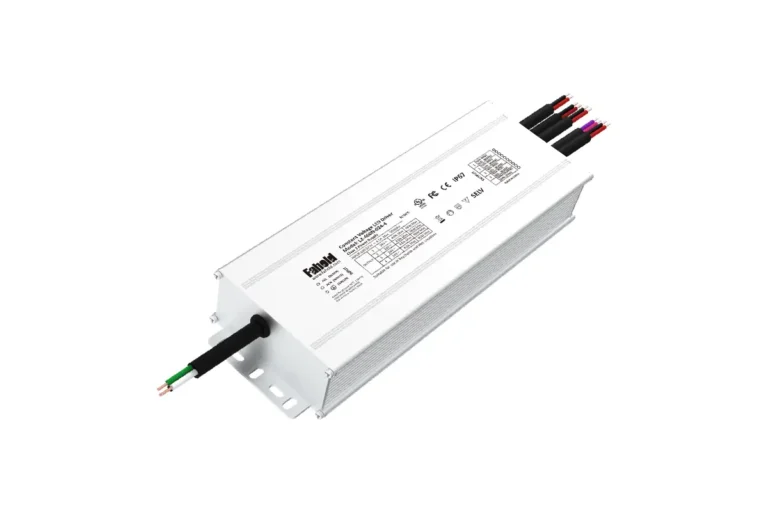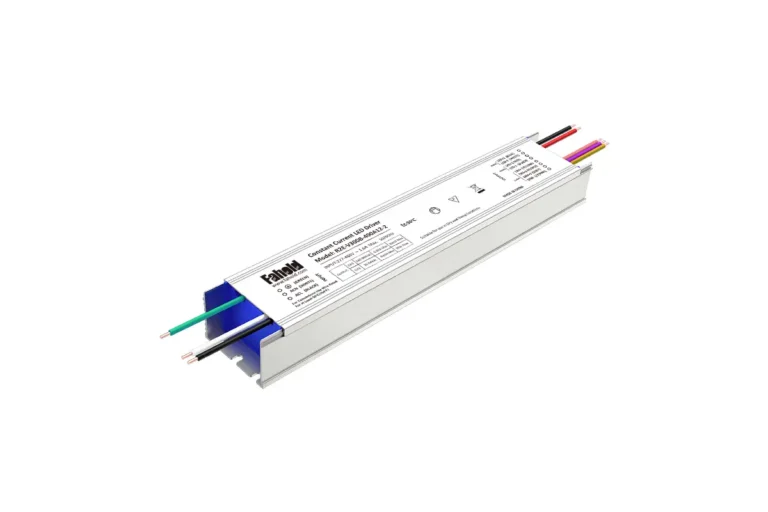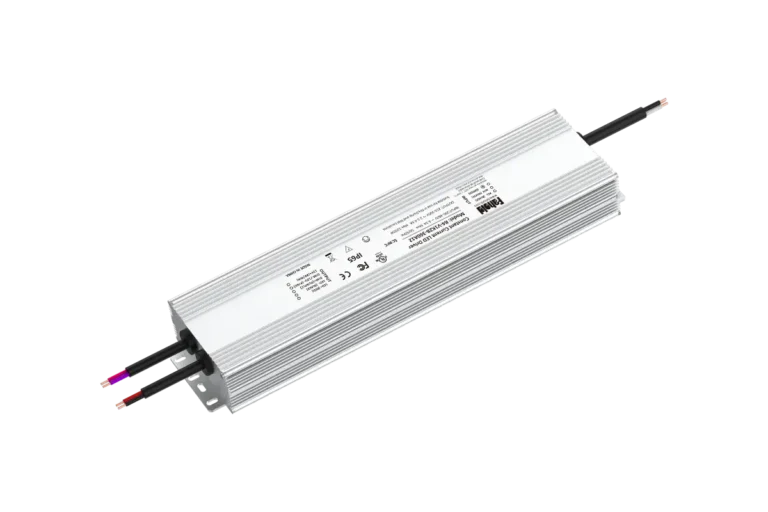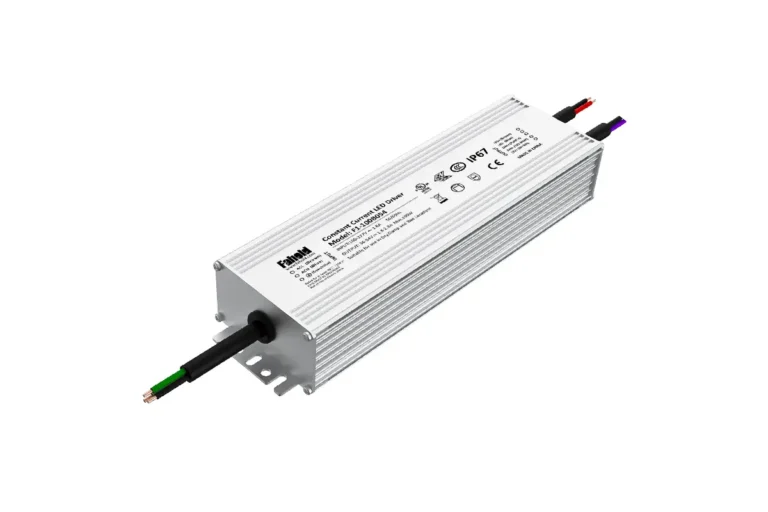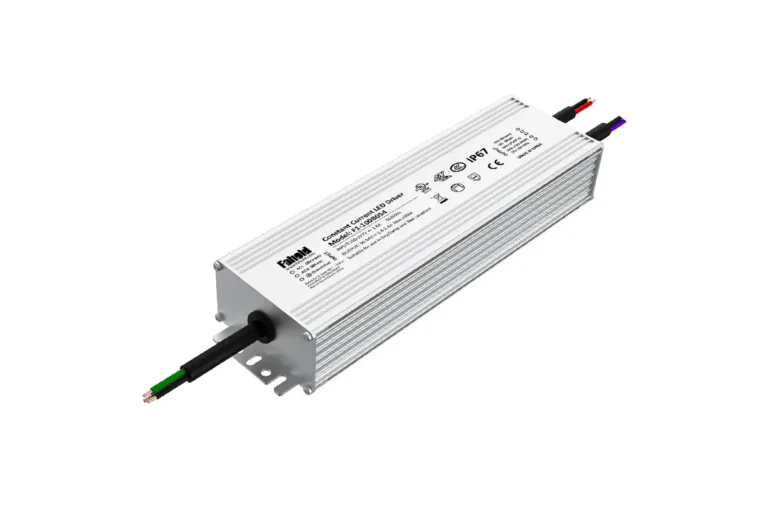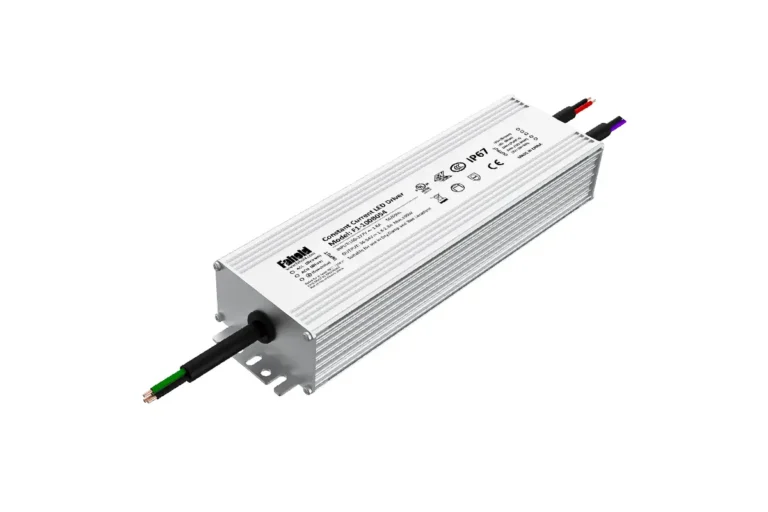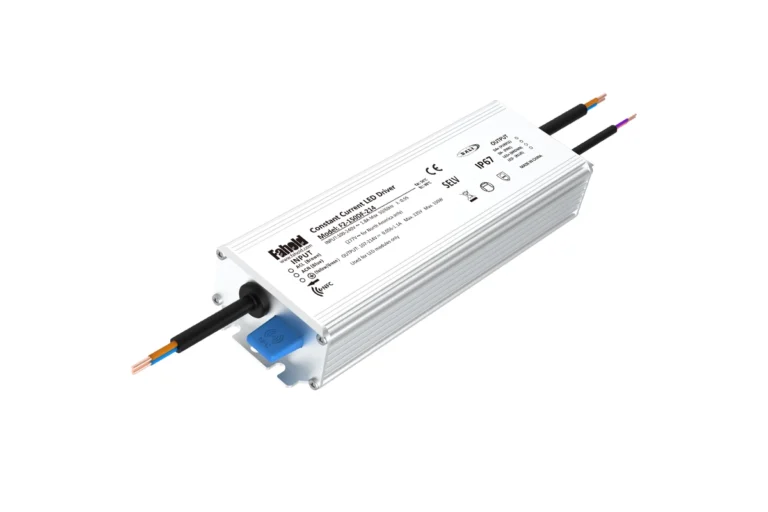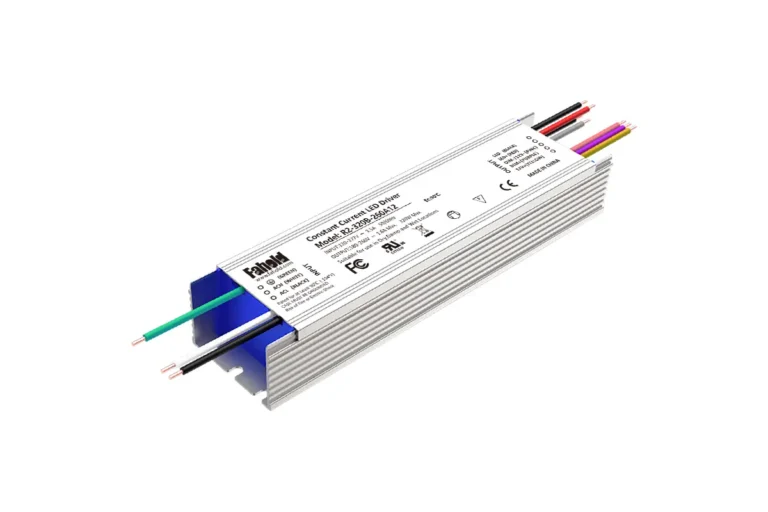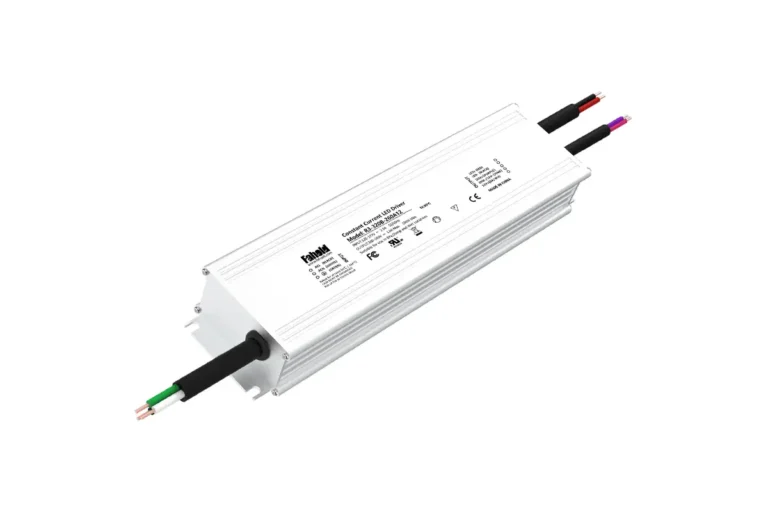
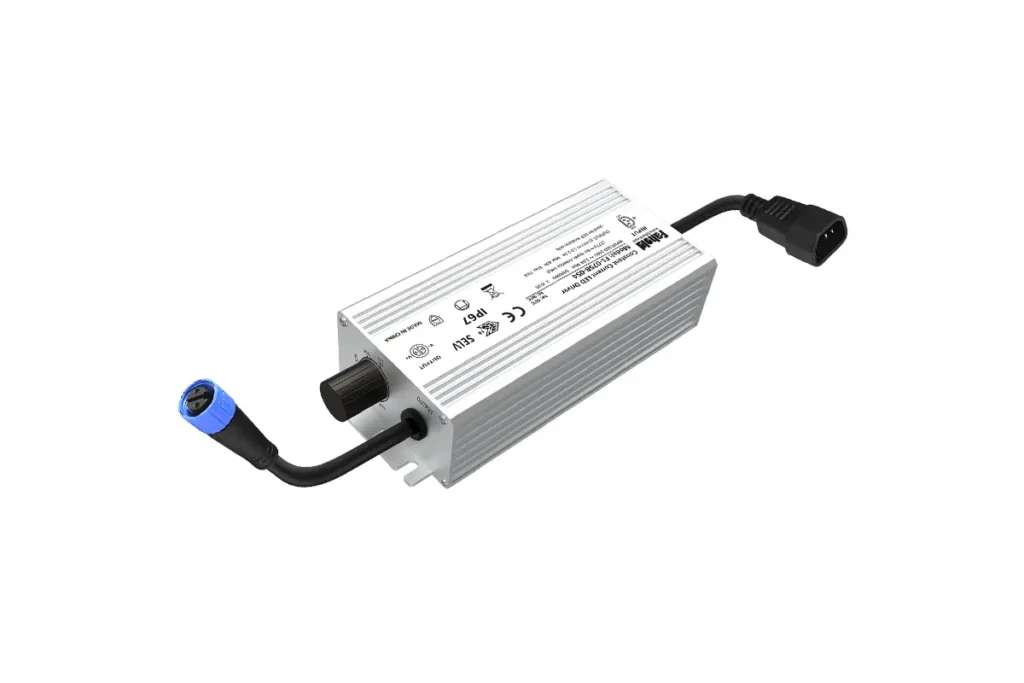
Isolated Horticulture LED Drivers
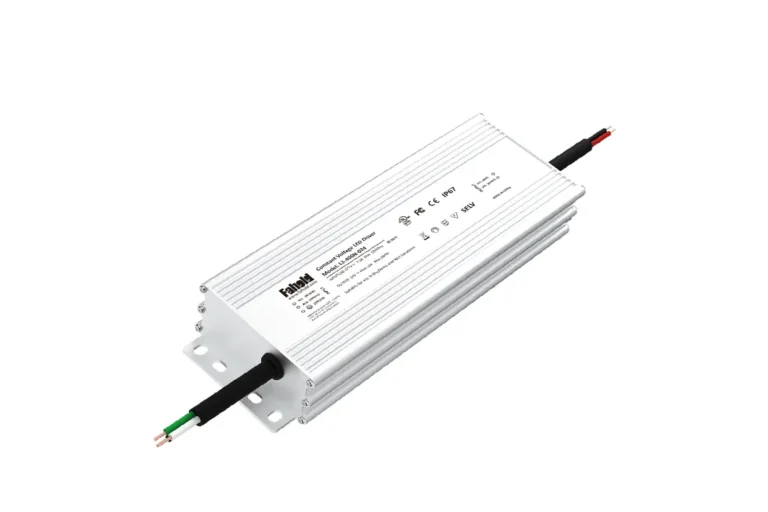
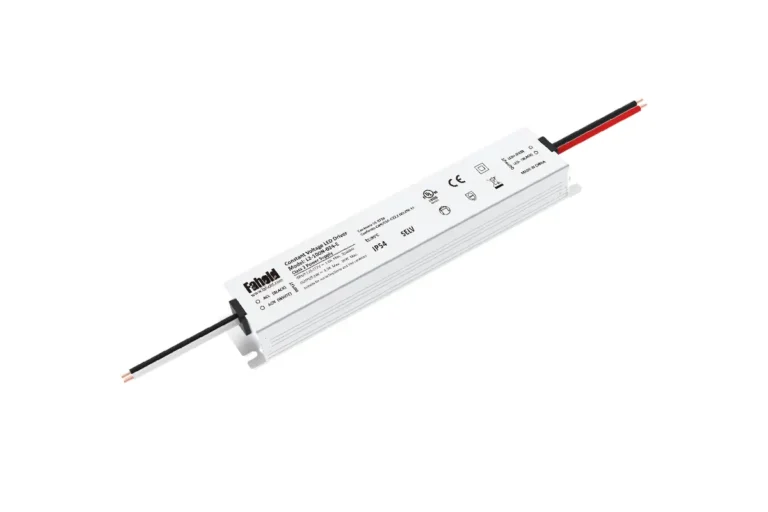
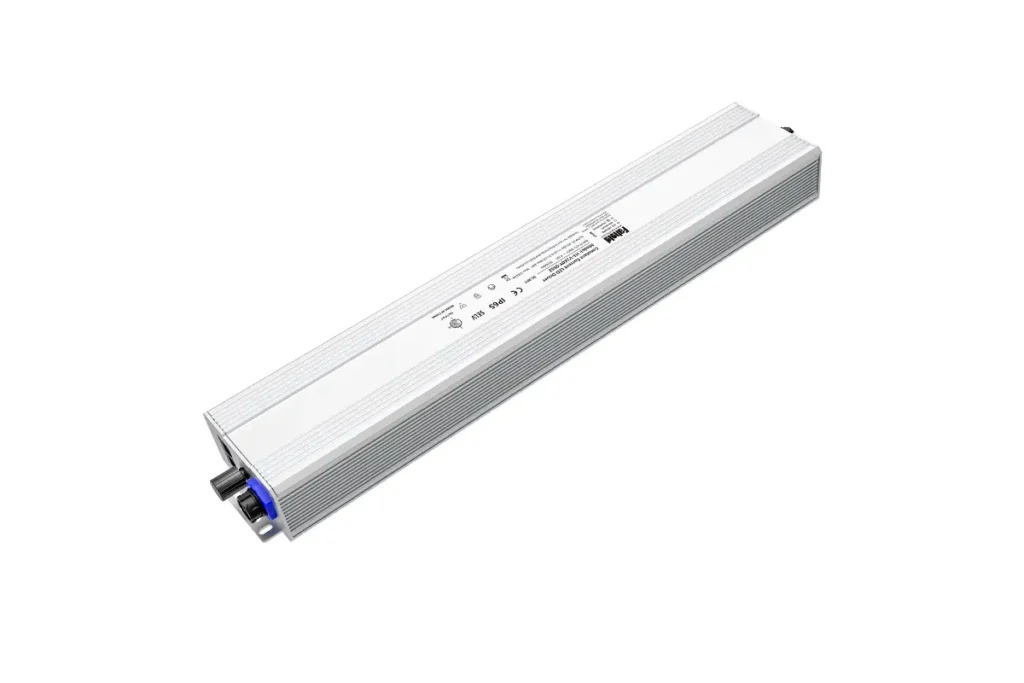
FAHOLD isolated horticulture LED drivers provide input-to-output electrical isolation for commercial grow lights, greenhouse fixtures, vertical-farm systems and professional horticultural luminaires. The range includes single-channel and multi-channel constant-current platforms for compact quantum-board fixtures through high-power commercial grow-light systems.
Available platforms cover approximately 40W to 1500W with rated-input options including 100–277Vac, 120–277Vac, 200–277Vac and 200–480Vac. Depending on series and configuration, available functions include offline programmable output, 0–10V / PWM / resistor control, Dim-to-Off, local knob dimming and IP65 / IP67 enclosure options.
Compare products below by input voltage, wattage, LED output-voltage window, current range, channel architecture and control requirements. FAHOLD also supports driver matching, samples, datasheets and OEM/ODM grow-light projects.
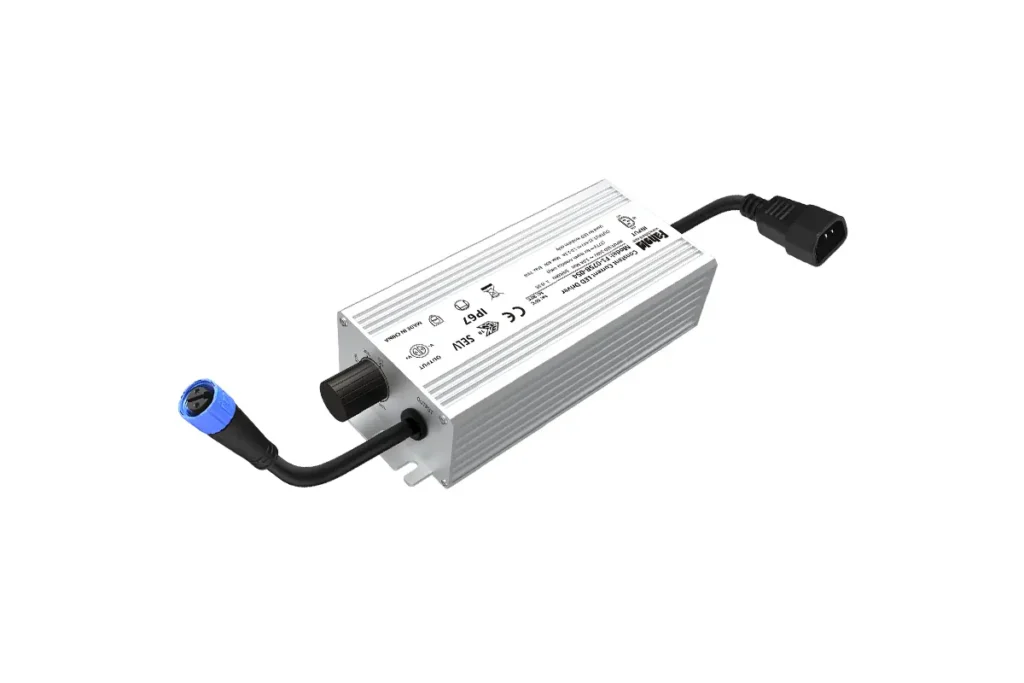
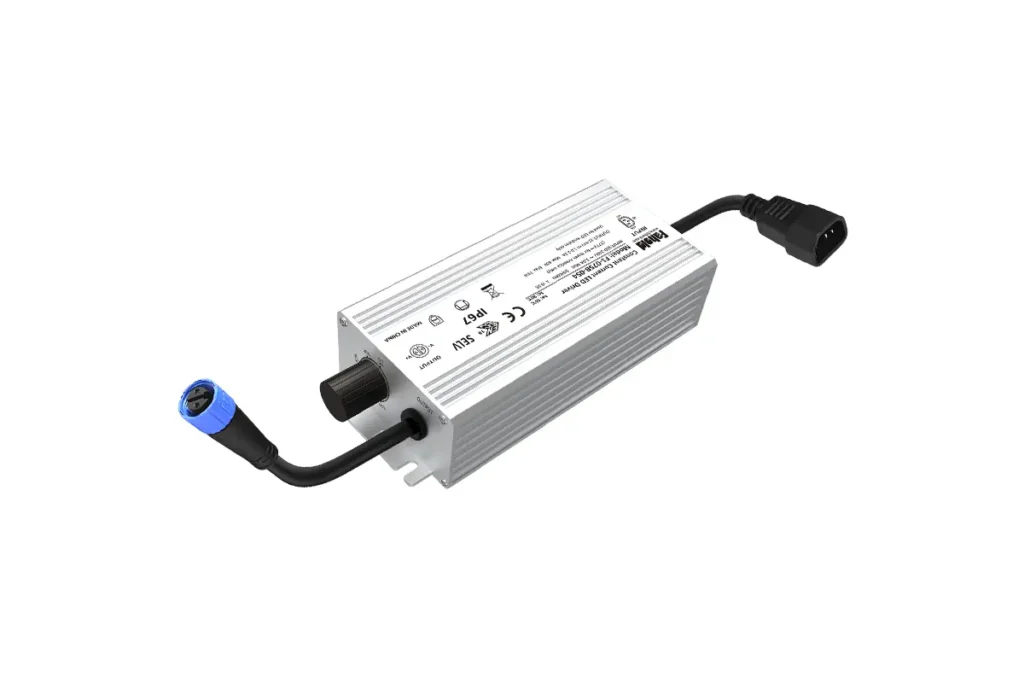
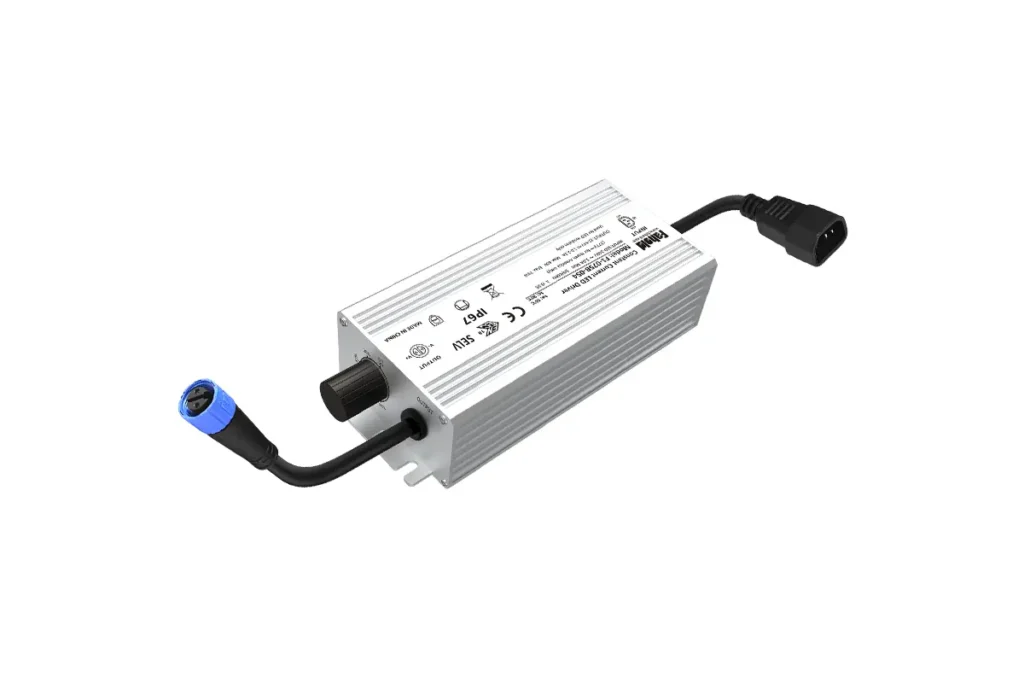
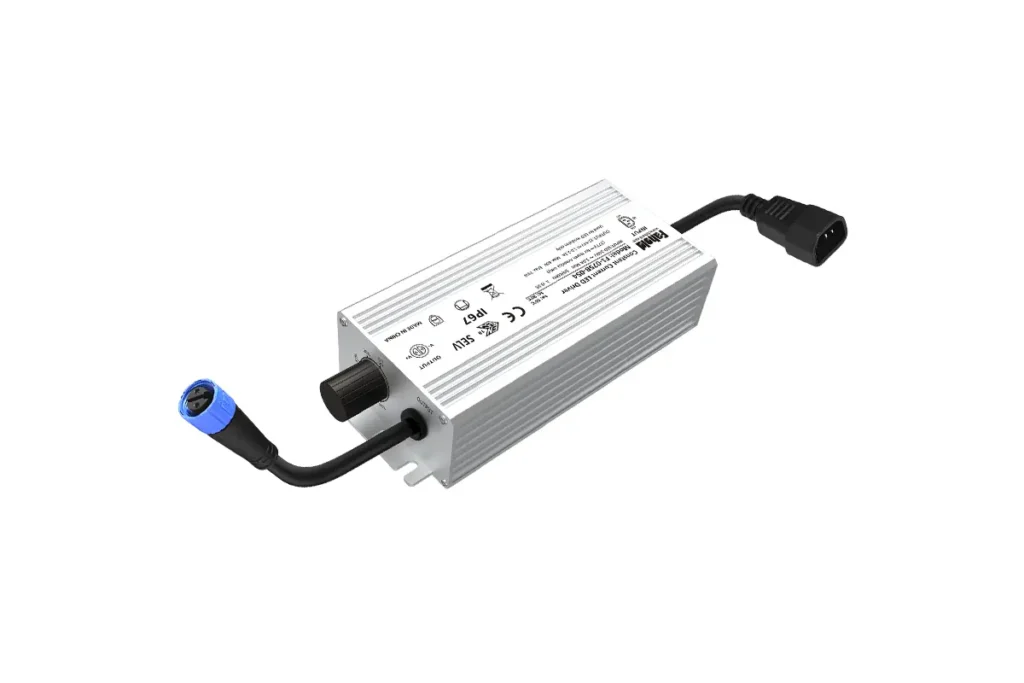
Page 1 of 4
Isolated LED Drivers for Professional Grow Lights
An isolated horticulture LED driver provides electrical isolation between the AC mains input and the LED output circuit. This architecture is widely used in professional grow-light fixtures where electrical safety, fixture integration, control functions and certification requirements must be considered together.
FAHOLD isolated grow-light drivers cover compact quantum-board and propagation fixtures through high-power indoor-grow and greenhouse lighting systems. The product range includes several AC input platforms, output-voltage windows, current ranges and control architectures so the driver can be matched to the actual LED-board design rather than selected by wattage alone.
Why Use an Isolated Horticulture LED Driver?
Electrical isolation separates the LED-side circuit from the mains-side power stage through the driver architecture. For many grow-light manufacturers, this can simplify the overall safety strategy of the luminaire and provide additional flexibility when integrating LED boards, controls, connectors and accessible fixture components.
Isolation should not be treated as automatically better for every horticulture fixture. The correct topology depends on the complete luminaire design, LED-board voltage, target efficiency, enclosure size, thermal architecture and certification requirements.
If the fixture is specifically engineered around a non-isolated architecture, compare the
Non-Isolated Horticulture LED Drivers
range instead.
Single-Channel vs Multi-Channel Isolated Grow Light Drivers
FAHOLD isolated horticulture drivers are organized into single-channel and multi-channel product platforms. The correct architecture depends on how the LED loads are arranged inside the fixture.
| Architecture | Typical Fixture Design | Selection Focus |
|---|---|---|
| Single-Channel | Quantum boards, propagation fixtures and high-power grow lights using one main regulated LED load | LED voltage window, output current, total wattage and dimming method |
| Multi-Channel | Horticulture fixtures requiring multiple controlled LED outputs or more complex fixture architectures | Channel configuration, individual output requirements, total power and control strategy |
A high-wattage fixture does not automatically require a multi-channel driver. If the luminaire uses one primary LED load, a high-power single-channel platform may be the correct solution. Multi-channel architecture is more relevant when several loads or fixture sections require separate power distribution or control.
Browse
Isolated Single-Channel Grow Light Drivers
or
Isolated Multi-Channel Grow Light Drivers
according to the fixture architecture.
Choose an Isolated Grow Light Driver by Input Voltage
Commercial horticulture facilities use different AC distribution systems depending on market, facility size and electrical infrastructure. FAHOLD isolated platforms therefore cover several input-voltage ranges.
| Rated Input | FAHOLD Platform Direction | Typical Application |
|---|---|---|
| 100–277Vac | F1-H | Quantum boards, propagation fixtures, vertical-farm racks and compact indoor grow lights |
| 120–277Vac | H2 | High-power commercial indoor grow-light and horticulture fixtures |
| 200–277Vac | H2E | High-power grow-light systems designed around higher commercial AC distribution |
| 200–480Vac | H1-V | Commercial greenhouse and high-voltage horticulture systems including 347V / 480V-class facilities |
The facility mains voltage should be confirmed before the final driver is selected. A standard 100–277Vac driver should not be used on a 347V or 480V distribution system unless the individual product is specifically rated for that input.
F1-H Isolated Drivers for Quantum Boards and Compact Grow Lights
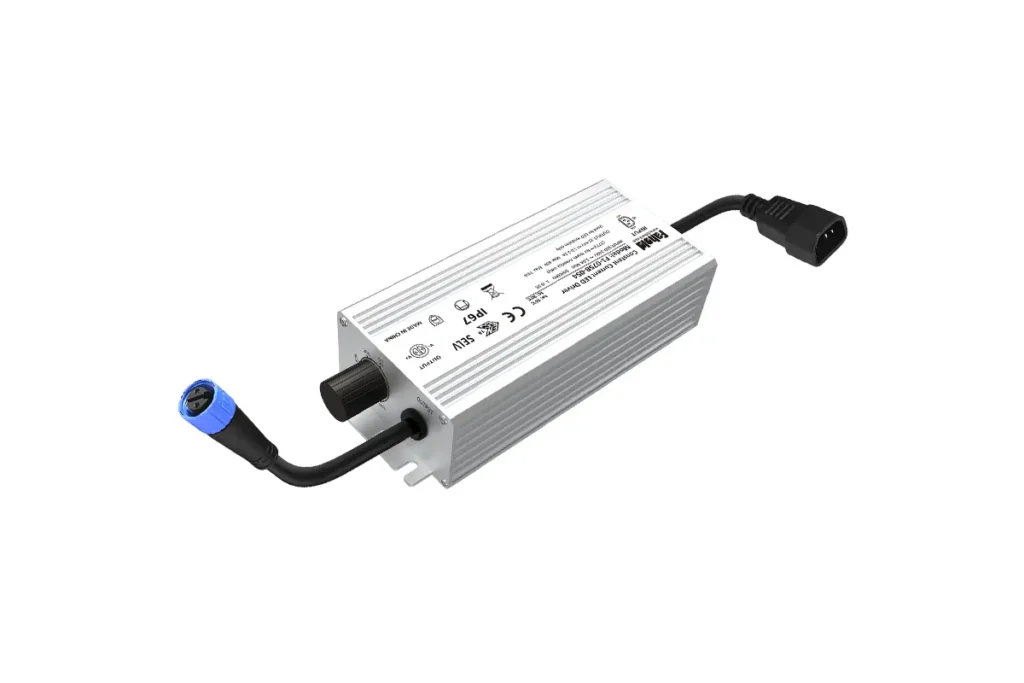
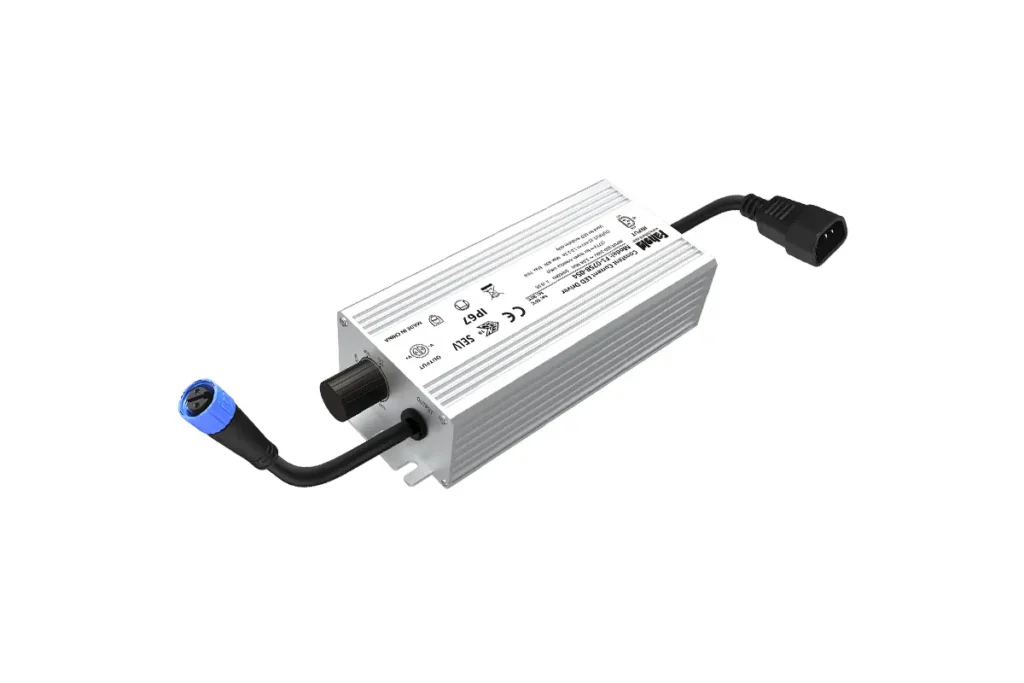
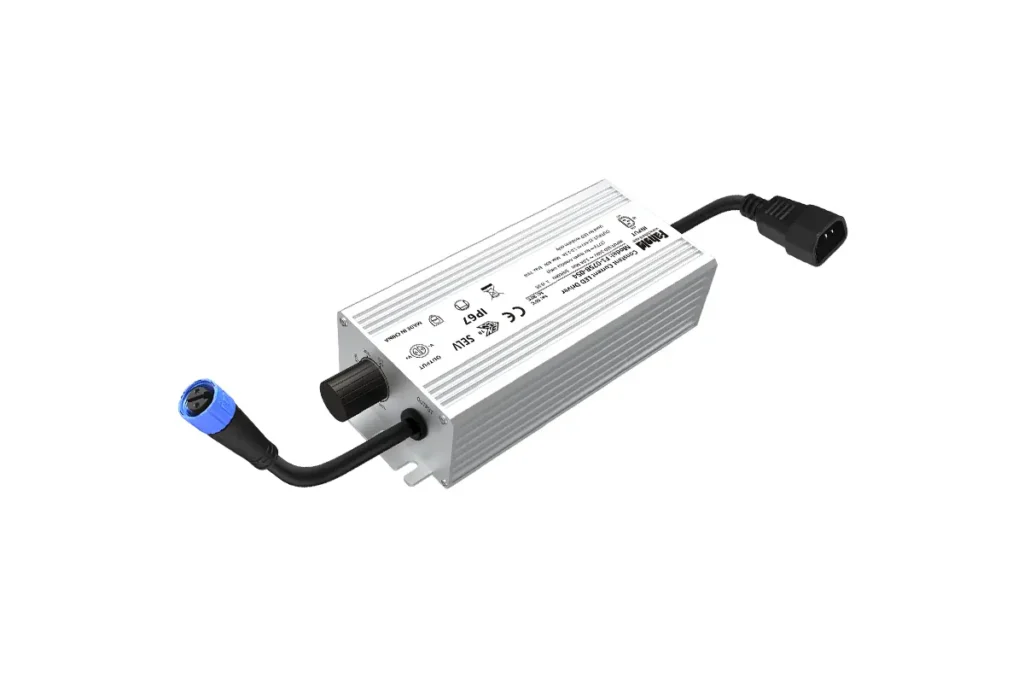
The F1-H platform is designed for lower- to medium-power horticulture fixtures where compact integration and straightforward fixture-level control are priorities. The series covers approximately 40W to 320W with 100–277Vac input and 27–54V / 27–56V output platforms.
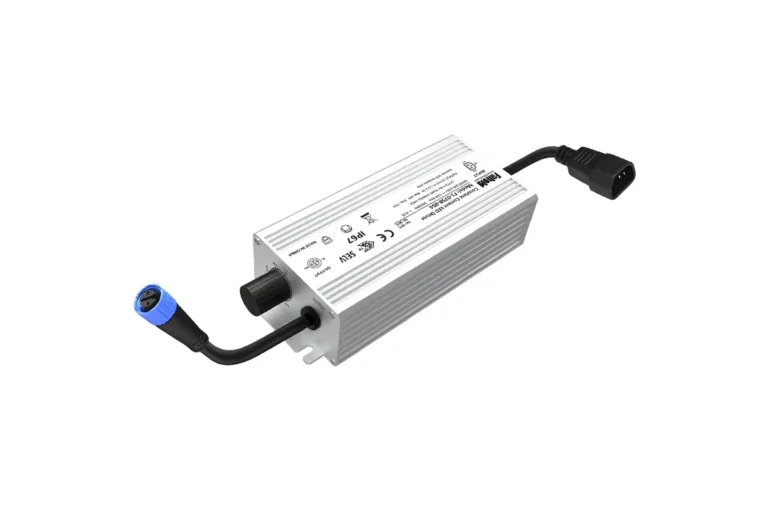
F1-H combines an isolated constant-current architecture with IP67 construction, built-in rotary dimming and Dim-to-Off capability. Plug-and-play AC and DC connection options make the platform particularly relevant to quantum boards, seedling lights, propagation fixtures and compact indoor-grow products.
For complete model selection, see the
F1-H Isolated Horticulture LED Driver Series
.
H2 and H2E High-Power Isolated Grow Light Drivers
For commercial grow-light fixtures requiring substantially more output power, the H2 platform provides an isolated programmable single-channel architecture. H2 models use 120–277Vac input, while H2E extends the same product direction to 200–277Vac projects.
| Platform | Rated Input | Power Direction | Typical Requirement |
|---|---|---|---|
| H2 | 120–277Vac | High-power single-channel grow lighting | Commercial indoor-grow and horticulture fixtures using a dedicated regulated LED output |
| H2E | 200–277Vac | Up to 1500W model classes | Higher-power fixtures designed around 200–277Vac facility infrastructure |
Both platforms support programmable output and flexible control on applicable configurations, allowing fixture manufacturers to match the driver to different LED-board voltage, current and power requirements.
Review the
H2 Single-Channel Grow Light Driver Series
or the
H2E 200–277V Grow Light Driver Series
for detailed technical selection.
H1-V 200–480V Isolated Grow Light Drivers
Large commercial greenhouses and industrial horticulture facilities can use high-voltage electrical distribution to supply high-power grow-light fixtures. The H1-V platform is designed around 200–480Vac input and covers high-power isolated horticulture applications that may operate from 277V, 347V or 480V-class systems.
Current H1-V products include several LED output-voltage platforms, including approximately 42–56V, 84–149V and 171–343V ranges. This allows different LED-string architectures to be matched to the same broader high-voltage input platform.
H1-V also supports programmable output and compatible 0–10V / PWM / resistor control together with Dim-to-Off, making it relevant to commercial greenhouse fixtures that require system-level lighting control.
For complete high-voltage model selection, review the
H1-V 200–480V Horticulture LED Driver Series
.
Programmable Isolated Grow Light LED Drivers
Programmable output is valuable when a grow-light manufacturer uses one fixture platform across several wattage or LED-board configurations. Selected FAHOLD isolated horticulture drivers allow supported output parameters to be configured offline within the electrical operating limits of the driver.
This can reduce the number of unique driver platforms required across an OEM product family while still allowing the final fixture to be configured for different current or power targets.
Programming capability varies by series. The required voltage window, current range, maximum wattage and production-programming process should therefore be confirmed before final model approval.
0–10V, PWM and Resistor Control for Grow Lighting
Professional horticulture lighting systems frequently require adjustable output so light intensity can be coordinated with crop stage, daylight availability or facility-control strategies. Selected FAHOLD isolated driver platforms support 0–10V, PWM and resistor-based control.
| Control Method | Typical Use | What to Confirm |
|---|---|---|
| 0–10V | Greenhouse and commercial grow-light controllers | Control range, wiring and controller compatibility |
| PWM | Fixture and automation systems using pulse-width control | Signal requirements, frequency and driver compatibility |
| Resistor / Rx | Fixture-level or external resistance-based output adjustment | Supported resistance range and control architecture |
| Knob Dimming | Standalone quantum boards and compact grow lights | Adjustment steps, Dim-to-Off behavior and fixture integration |
The required control method should be specified during driver selection because control capability varies between F1-H, H2, H2E and H1-V platforms.
Dim-to-Off for Horticulture Lighting
A true dark period can be important in controlled-environment agriculture. If an LED driver leaves residual output after the controller reaches its minimum signal level, the fixture may continue to produce visible afterglow.
Compatible FAHOLD isolated horticulture platforms support Dim-to-Off behavior so the LED output can switch fully off at the lower control threshold. This function should be specified where complete shutdown through the lighting-control system is required.
IP65 and IP67 Grow Light Driver Platforms
Grow-light drivers may operate in environments with elevated humidity, condensation, dust and regular cleaning. FAHOLD isolated horticulture products therefore include different environmental-protection platforms according to application.
| Protection Direction | Typical Platform | Typical Application |
|---|---|---|
| IP67 | F1-H | Compact quantum-board and indoor horticulture fixtures requiring increased ingress protection |
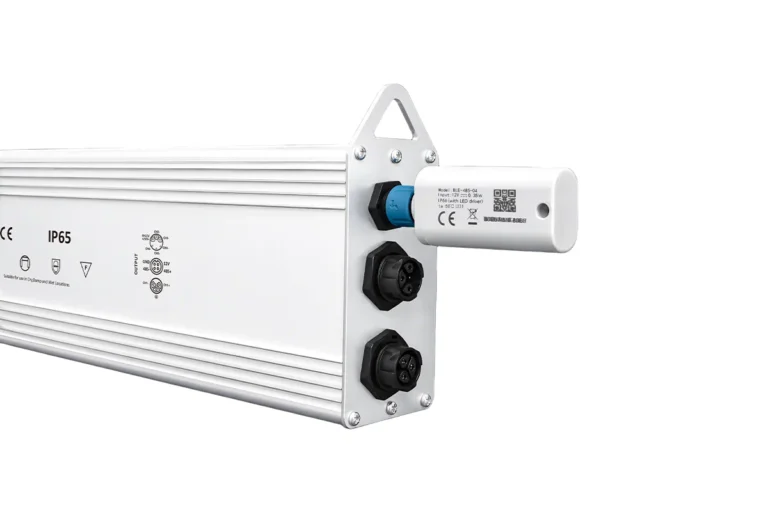
| IP65 | H2 / H2E / H1-V high-power platforms | Commercial grow lights and greenhouse fixtures with protected driver installation |
The IP rating of the driver does not determine the environmental rating of the complete fixture. Connectors, cables, seals, fixture housing, mounting position and thermal design must also be evaluated.
How to Select an Isolated Horticulture LED Driver
- Confirm the facility AC input voltage.
Identify whether the fixture will operate from 120V, 208V, 240V, 277V, 347V, 480V or another rated supply. - Define the LED-board voltage range.
Provide the minimum, nominal and maximum forward voltage of the LED load. - Confirm the required output current.
The operating current must fall within the supported range of the selected driver. - Calculate maximum fixture wattage.
Use the actual LED electrical load rather than only the commercial fixture wattage. - Select single-channel or multi-channel architecture.
Match the output architecture to the number and arrangement of LED loads inside the fixture. - Define the control method.
Specify whether the system requires 0–10V, PWM, resistor control, local knob dimming or another supported interface. - Determine whether programmable output is required.
Programmable drivers can simplify OEM fixture families that share one driver architecture across several power levels. - Confirm Dim-to-Off requirements.
Specify full shutdown if the cultivation strategy requires a true dark period without residual LED glow. - Review environmental and thermal conditions.
Check IP rating, ambient temperature, mounting position, connectors and fixture thermal management. - Confirm target certification and market.
Safety and EMC requirements should be verified for the exact driver and luminaire configuration.
Isolated Grow Light Driver Manufacturer for OEM Fixtures
Commercial grow-light manufacturers often require more than a standard wattage selection. LED voltage range, programmed current, dimming protocol, auxiliary interfaces, connectors, cable lengths, housing, labeling, firmware configuration and target-market certifications can all influence the final driver specification.
FAHOLD supports OEM horticulture-lighting projects with electrical matching, technical datasheets, samples and customization evaluation. When requesting a recommendation, provide the AC input, LED-board voltage window, output current, fixture wattage, channel architecture, control protocol, IP requirement, certification target and expected quantity.
Frequently Asked Questions
What is an isolated horticulture LED driver?
An isolated horticulture LED driver provides electrical isolation between the AC mains input and the LED output while supplying controlled constant-current power to a grow-light fixture. The driver must still be matched to the LED voltage range, current, wattage, input voltage, control interface and fixture safety design.
What is the difference between isolated and non-isolated grow light drivers?
An isolated grow light driver electrically separates the mains input from the LED output. A non-isolated driver does not provide the same input-to-output isolation and may offer advantages in size, power density or efficiency. The correct choice depends on the complete luminaire safety architecture, LED-board design and certification requirements.
What power range is available for FAHOLD isolated grow light drivers?
FAHOLD isolated horticulture platforms cover approximately 40W through 1500W depending on the selected series. F1-H serves lower- and medium-power fixtures, while H2, H2E and H1-V address higher-power commercial grow-light and greenhouse applications.
What input voltages are available for isolated horticulture LED drivers?
FAHOLD isolated horticulture platforms include 100–277Vac, 120–277Vac, 200–277Vac and 200–480Vac rated-input options depending on series. The driver input range should be matched to the actual electrical distribution used by the grow facility.
What is the difference between single-channel and multi-channel isolated grow light drivers?
A single-channel isolated driver supplies one primary regulated LED load. A multi-channel driver provides multiple controlled outputs for fixtures that require separate LED loads or more complex power distribution. Channel architecture should be selected from the actual fixture design rather than total wattage alone.
Do isolated grow light drivers support 0-10V and PWM dimming?
Selected FAHOLD isolated horticulture platforms support 0–10V, PWM and resistor-based control. F1-H uses a different compact fixture-control approach with built-in knob dimming. Available control methods depend on the selected driver series and configuration.
What is a programmable isolated grow light driver?
A programmable isolated grow light driver allows supported output parameters to be configured within the electrical operating range of the driver. This can help an OEM use one driver platform across several fixture wattages or LED-board configurations. Programming capability and adjustment limits depend on the selected series.
Which isolated LED driver should I use for a quantum-board grow light?
For compact quantum-board and propagation fixtures, the FAHOLD F1-H platform is designed around 40W–320W isolated constant-current operation, 100–277Vac input, IP67 protection, built-in knob dimming and plug-and-play connection options. Final selection still depends on the LED-board voltage, current and wattage.
Which isolated horticulture driver should I use for a 347V or 480V greenhouse?
For facilities using 347V or 480V-class distribution, select a driver platform specifically rated for high-voltage input. FAHOLD H1-V uses a 200–480Vac rated-input architecture and is designed for high-power commercial horticulture and greenhouse lighting.
Does FAHOLD provide OEM isolated grow light LED drivers?
FAHOLD supports OEM and project-based isolated horticulture driver requirements, including electrical matching, programmable output evaluation, control interfaces, connectors, cables, enclosure requirements, labeling and certification considerations. Final customization depends on the selected driver platform and project specification.