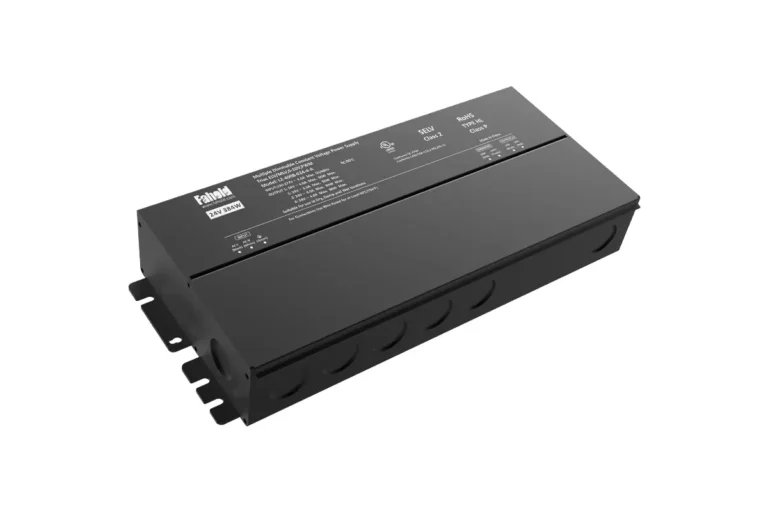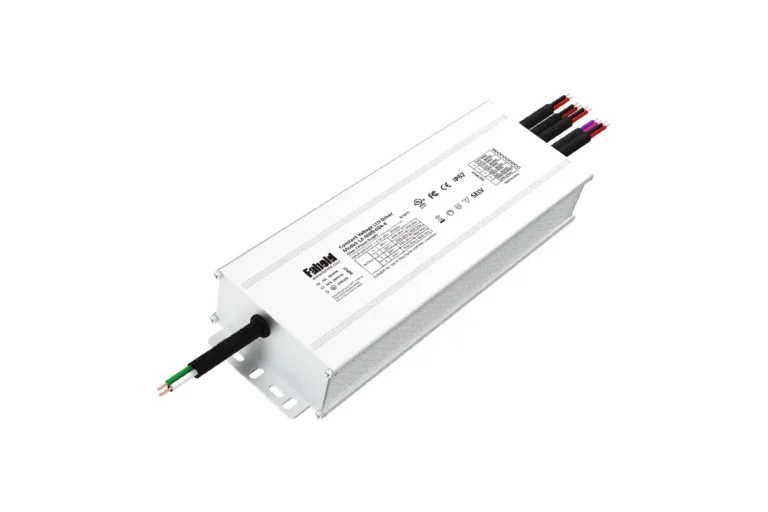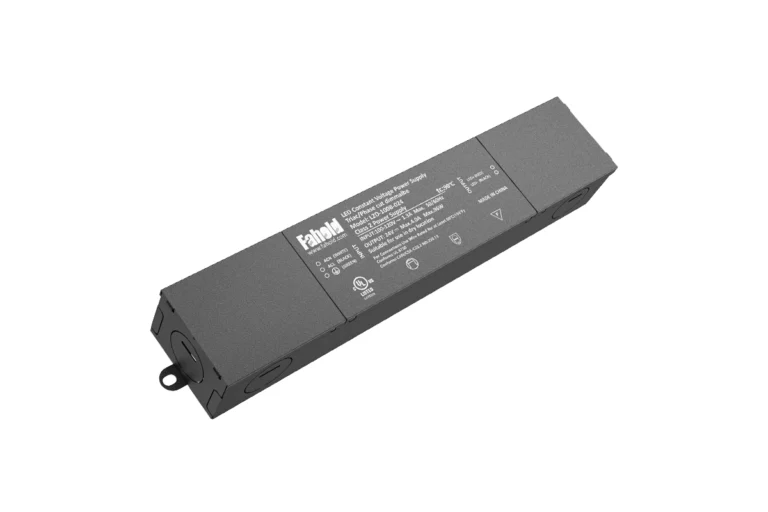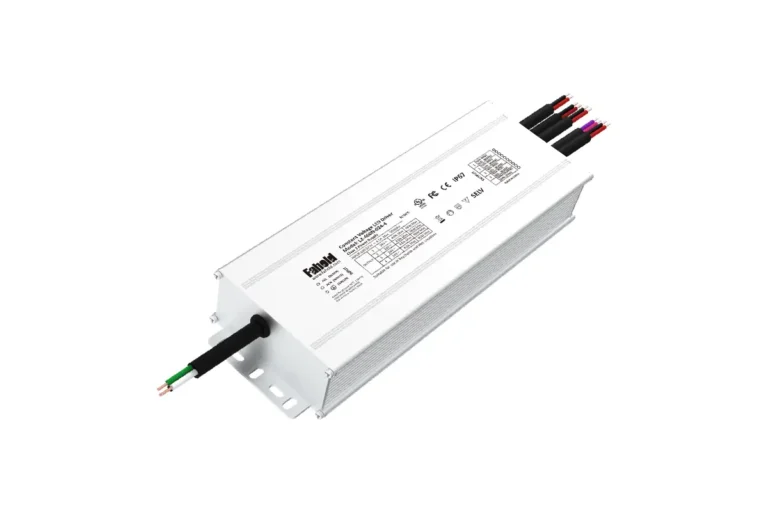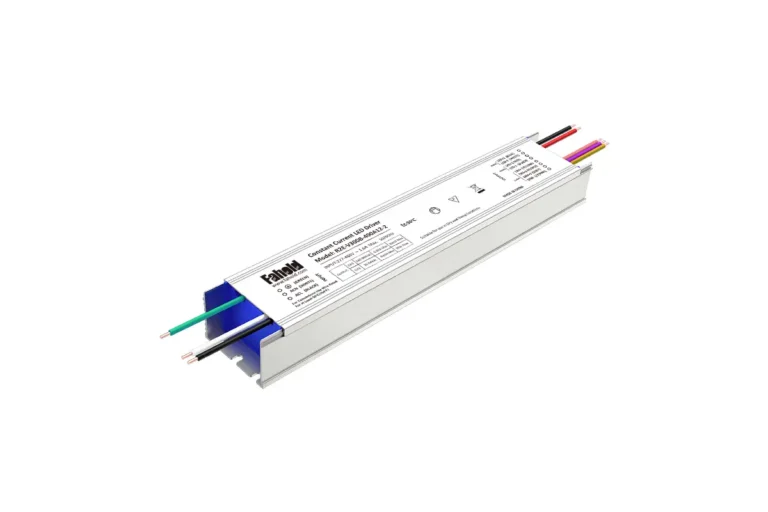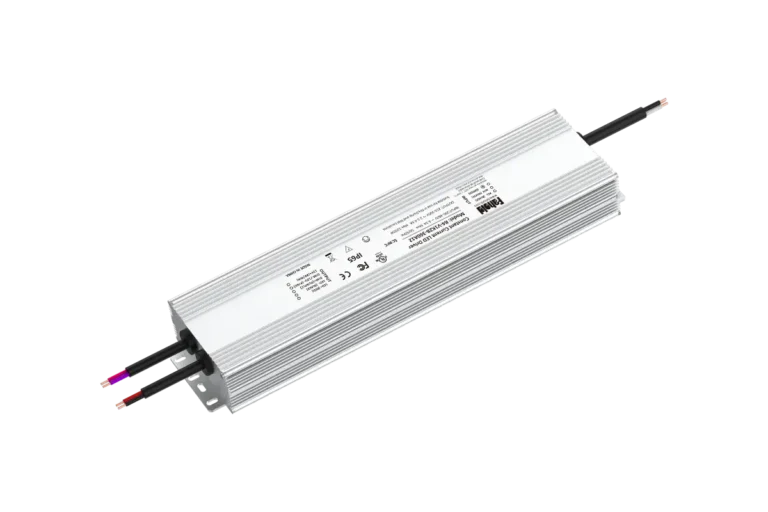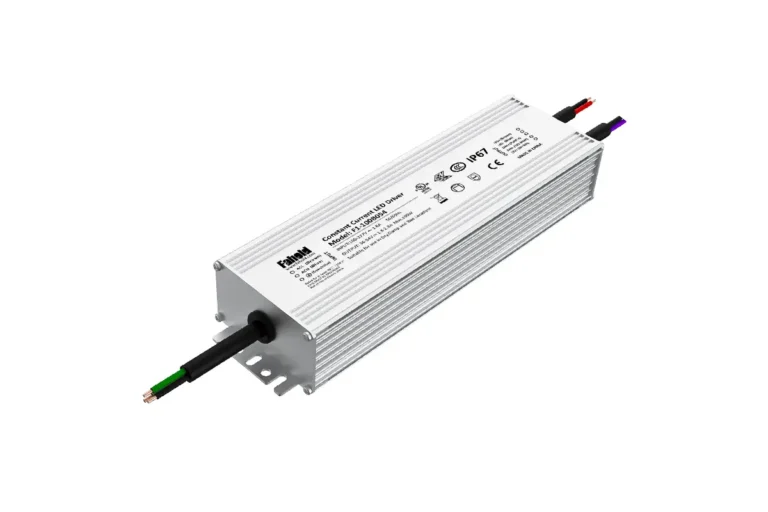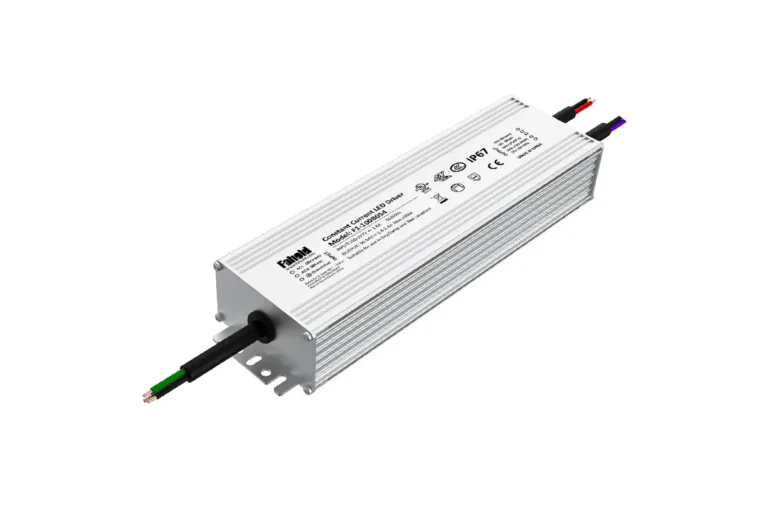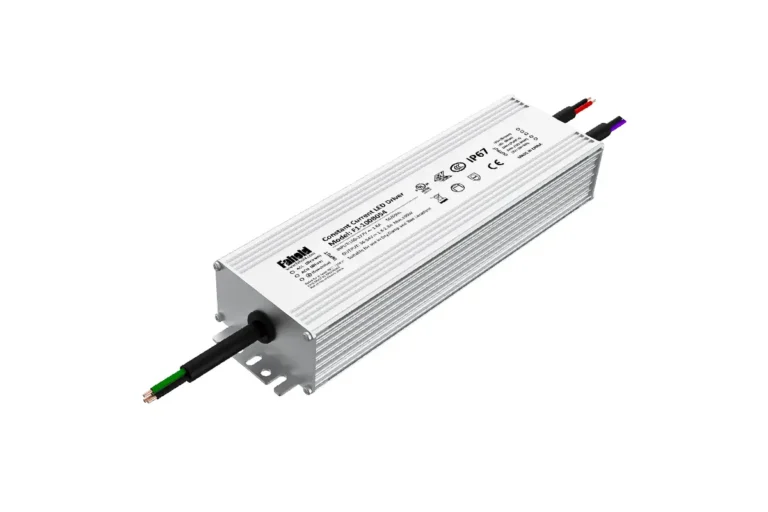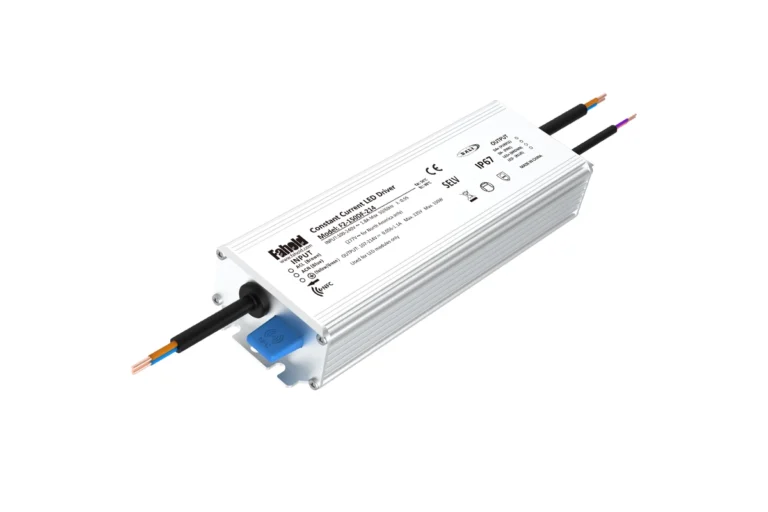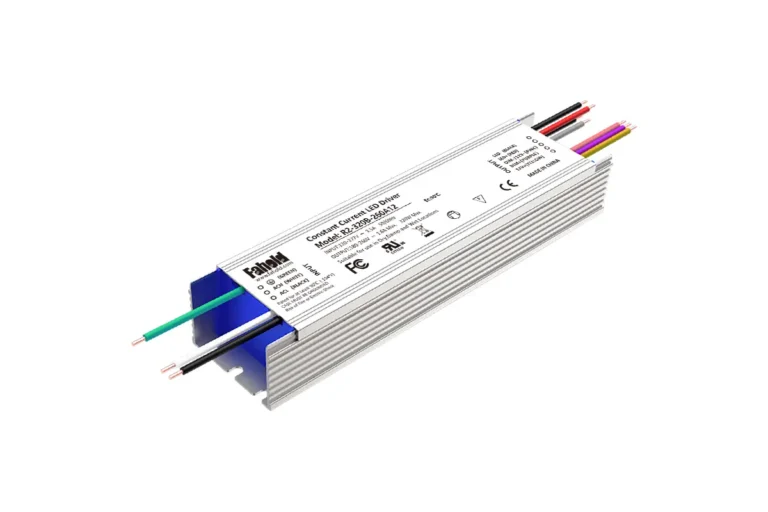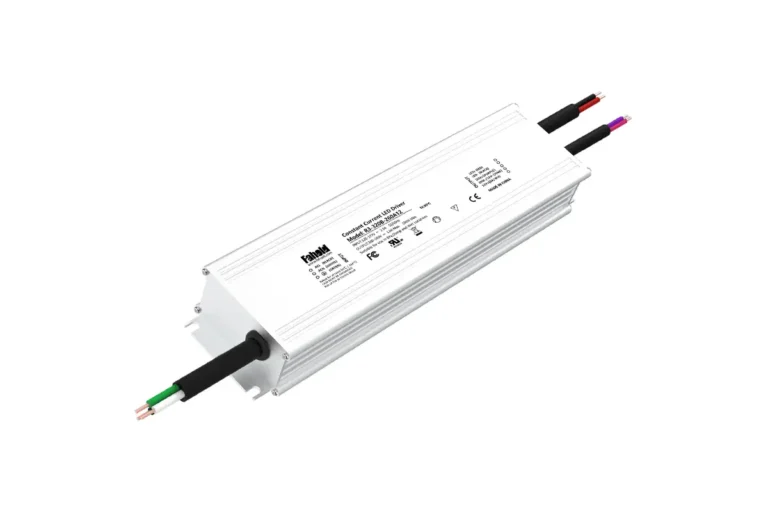
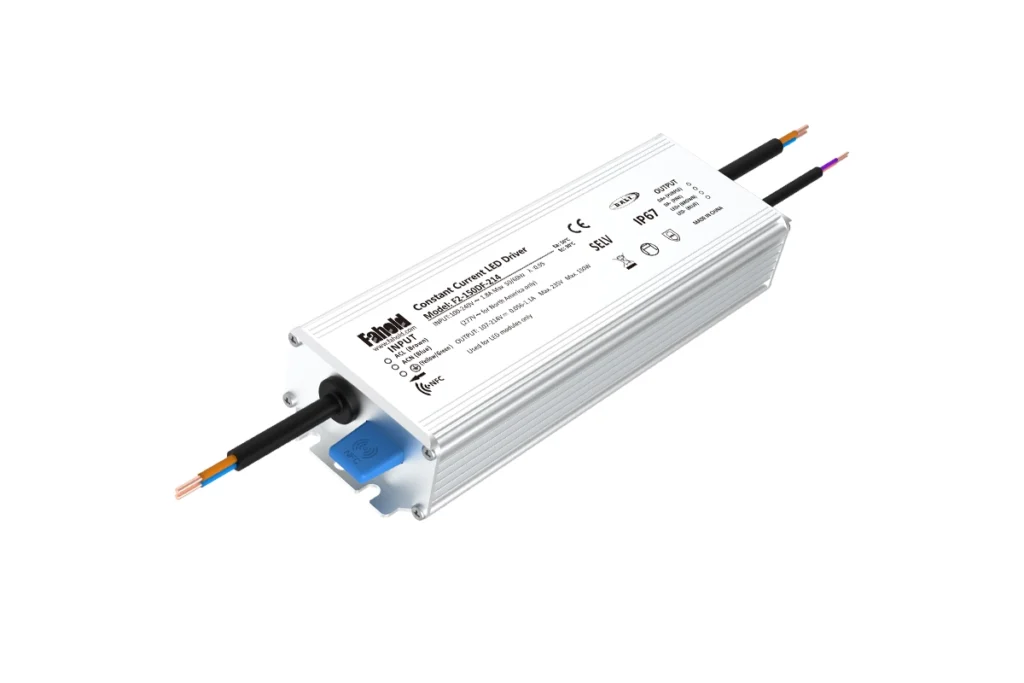
F2D DALI-2 Outdoor LED Drivers (100-277Vac)
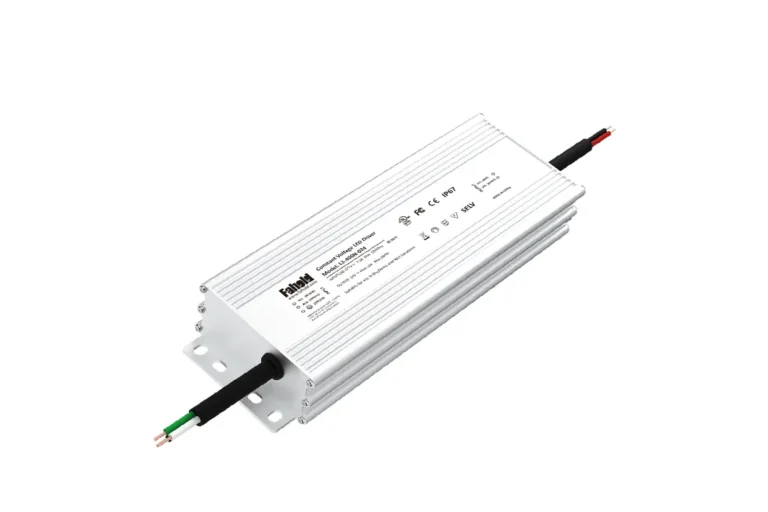
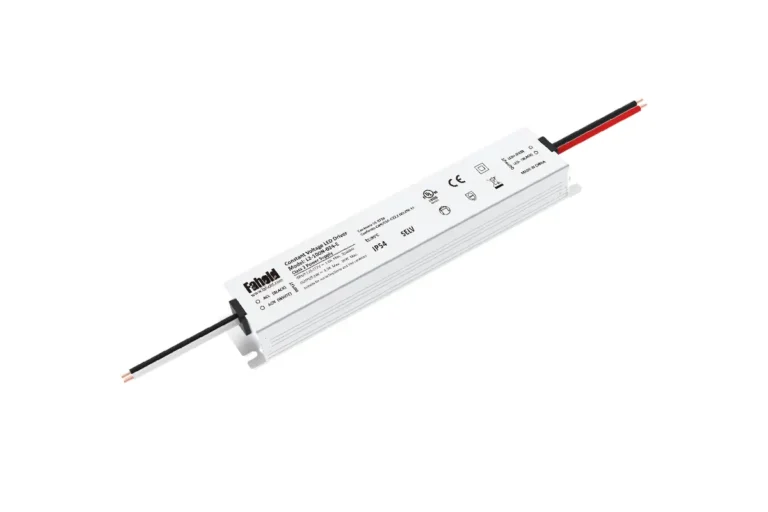
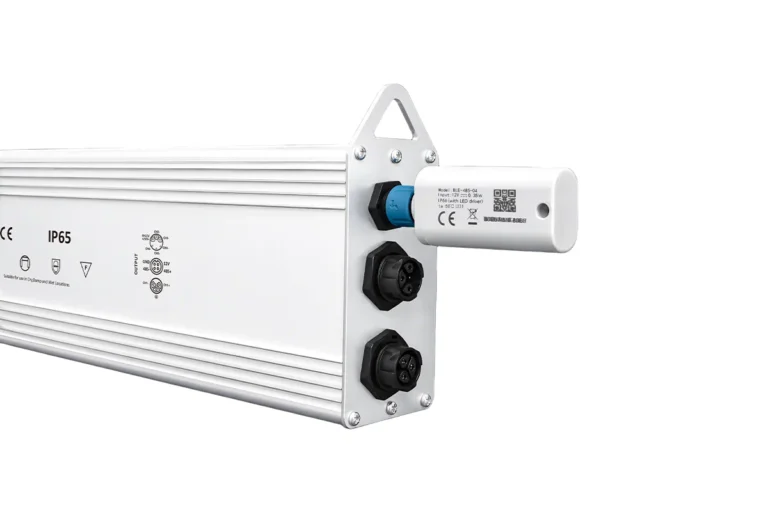
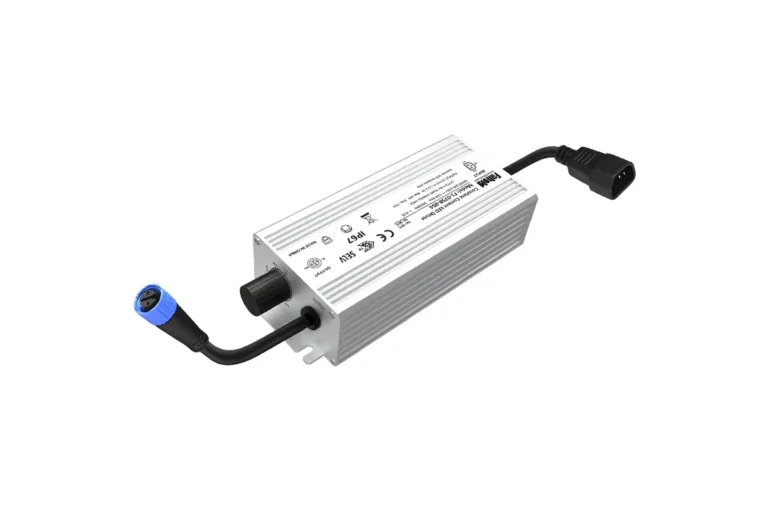
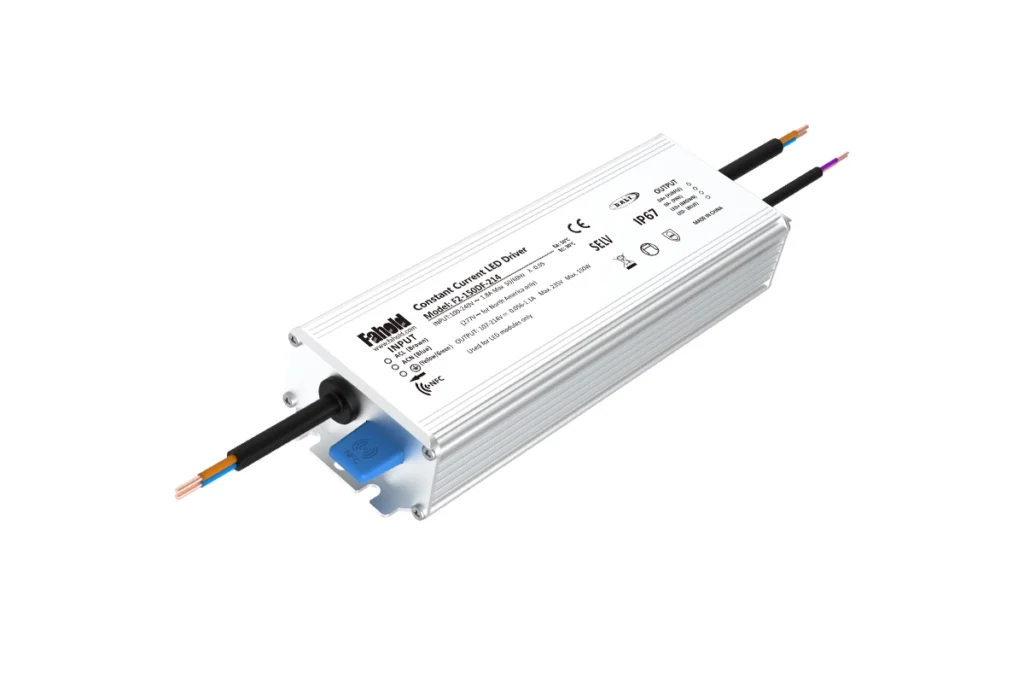
FAHOLD F2D DALI-2 outdoor LED drivers provide digitally controlled constant-current power for street lights, tunnel lights, area lighting, industrial luminaires and other professional outdoor fixtures. The current series includes 13 models from 75W to 240W, all using a 100–277Vac wide-input platform with IP66 / IP67 outdoor protection.
F2D provides multiple LED output-voltage platforms from 27–54Vdc to 171–343Vdc, with programmable output-current ranges matched to different low-, medium- and high-voltage LED-string architectures. The platform supports DALI-2 control, online current programming, power monitoring, Dim-to-Off and optional NFC programming.
Compare the 13 models below by wattage, LED voltage window, programmable current range and efficiency. Selecting the correct F2D model requires matching both LED voltage and current while remaining within the rated power of the driver.
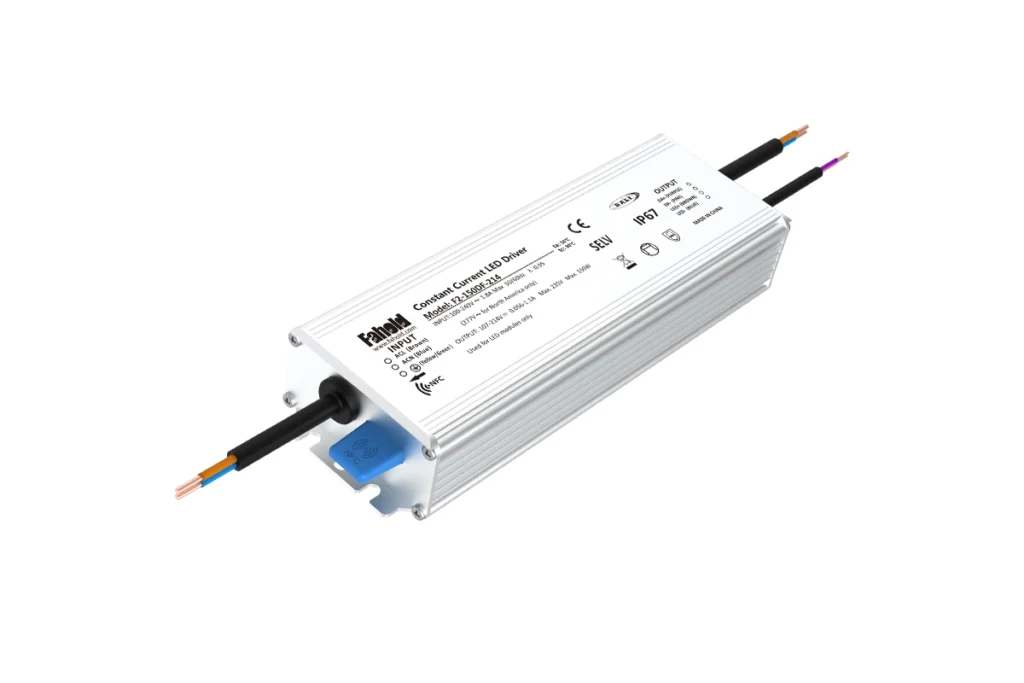
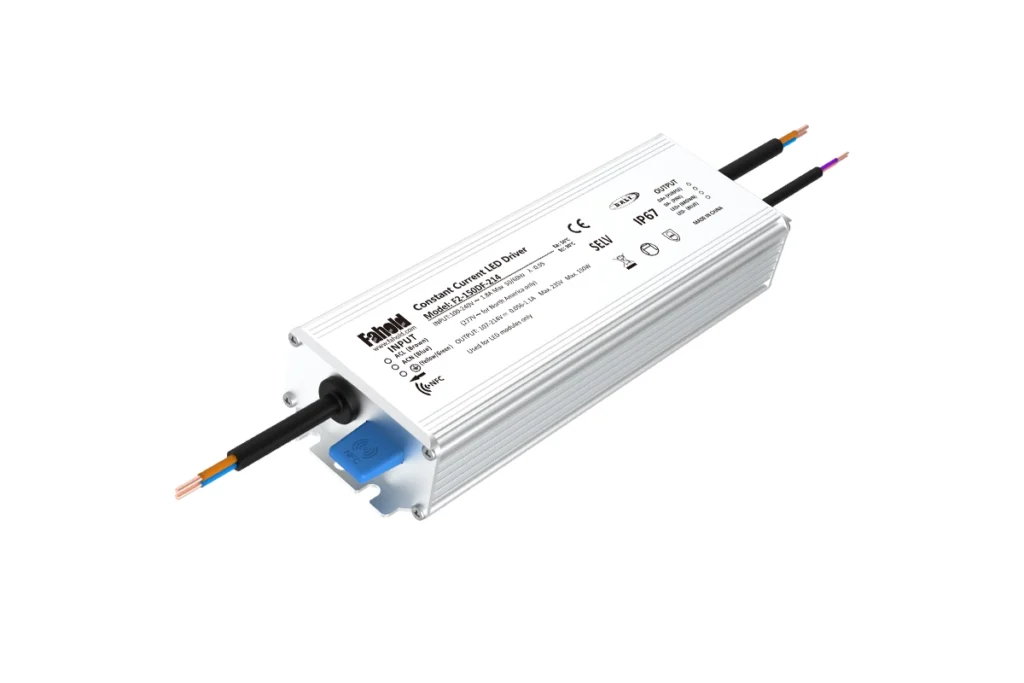
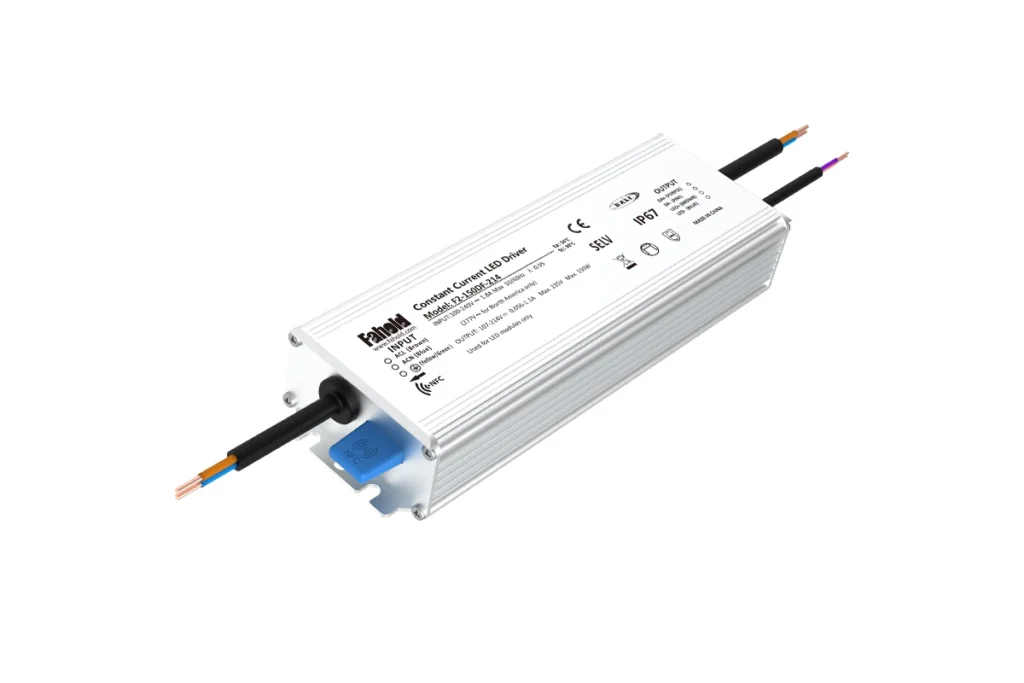
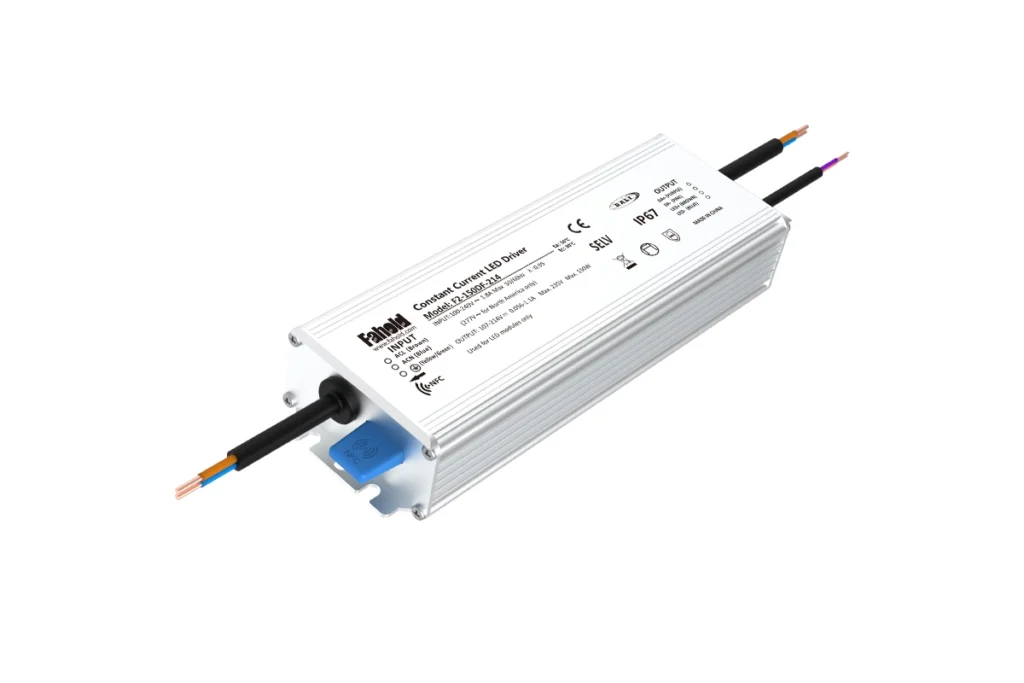
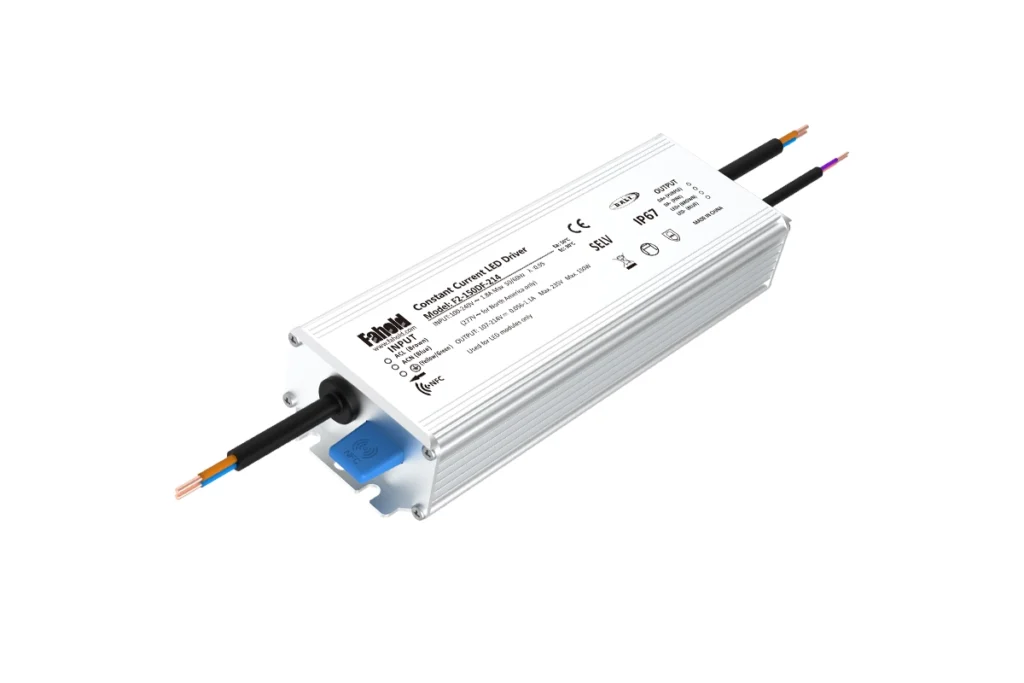
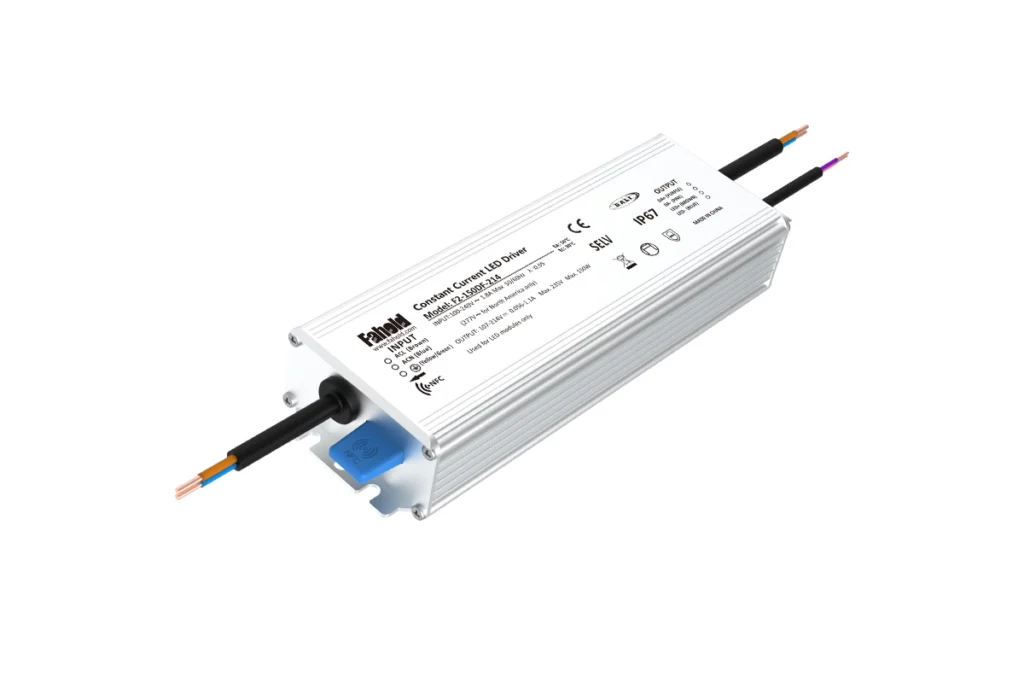
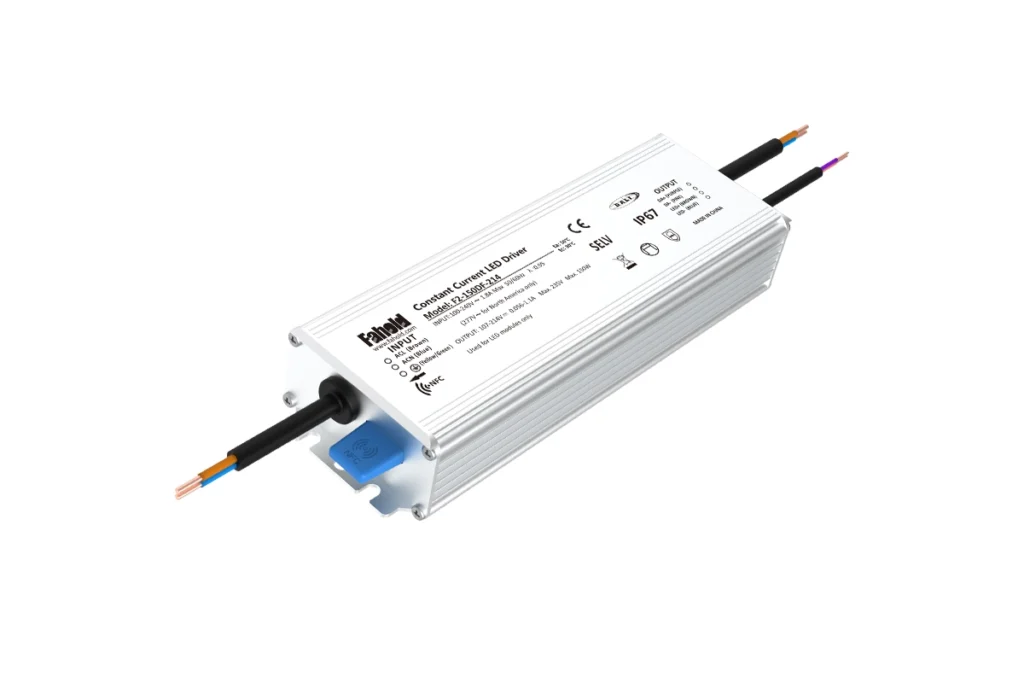
Page 1 of 2
F2D 100–277V DALI-2 Outdoor LED Drivers
FAHOLD F2D is a constant-current DALI-2 LED driver platform developed for digitally controlled street lights, tunnel lights, area lighting, industrial luminaires and other professional outdoor LED systems.
The current F2D range includes 13 models covering 75W, 100W, 150W, 200W and 240W power classes. All models use 100–277Vac input and provide IP66 / IP67 outdoor enclosure configurations, while multiple LED voltage and programmable current ranges allow different LED-board architectures to be matched within the same series.
F2D model selection should begin with the LED module's minimum and maximum forward voltage, required operating current and maximum electrical power. Wattage alone is not sufficient because several F2D power classes contain two or three different output-voltage platforms.
Compare All 13 F2D DALI-2 LED Driver Models
| Model | Power | Input | Output Voltage | Programmable Current Range | Typical Efficiency |
|---|---|---|---|---|---|
| F2-075D-054 | 75W | 100–277Vac | 27–54Vdc | 1.38–2.10A | 89% |
| F2-075D-115 | 75W | 100–277Vac | 60–115Vdc | 0.65–1.10A | 90% |
| F2-100D-054 | 100W | 100–277Vac | 27–54Vdc | 1.85–2.80A | 89% |
| F2-100D-143 | 100W | 100–277Vac | 60–143Vdc | 0.70–1.50A | 90% |
| F2-150D-054 | 150W | 100–277Vac | 27–54Vdc | 2.78–4.20A | 93% |
| F2-150D-143 | 150W | 100–277Vac | 72–143Vdc | 1.05–1.50A | 94% |
| F2-150D-214 | 150W | 100–277Vac | 107–214Vdc | 0.70–1.10A | 94% |
| F2-200D-054 | 200W | 100–277Vac | 27–54Vdc | 3.70–5.60A | 94% |
| F2-200D-143 | 200W | 100–277Vac | 72–143Vdc | 1.40–2.20A | 94% |
| F2-200D-286 | 200W | 100–277Vac | 140–286Vdc | 0.70–1.10A | 94% |
| F2-240D-054 | 240W | 100–277Vac | 27–54Vdc | 4.40–6.70A | 94% |
| F2-240D-228 | 240W | 100–277Vac | 114–228Vdc | 1.05–1.50A | 94.5% |
| F2-240D-343 | 240W | 100–277Vac | 171–343Vdc | 0.70–1.05A | 96% |
The published current ranges are programmable operating ranges, not an indication that every maximum-voltage and maximum-current combination can be used simultaneously. The selected operating point must always remain within the rated power and electrical operating limits of the driver.
How to Read F2D Voltage, Current and Wattage
An LED driver's wattage is only the maximum power boundary. Voltage and current still have to match the connected LED module.
For example, F2-240D-054 and F2-240D-343 are both 240W-class DALI-2 drivers, but their electrical architectures are very different. F2-240D-054 is designed around a 27–54V high-current LED load, while F2-240D-343 serves a 171–343V high-voltage LED string at substantially lower current.
This is why an engineer should not select a replacement or new LED driver by wattage alone. The LED module's complete forward-voltage range and required current must fall within the operating envelope of the selected F2D model.
75W F2D DALI-2 LED Drivers
The 75W F2D platform provides two different electrical directions for lower-power digitally controlled outdoor and industrial luminaires.
| Model | Output Voltage | Current Range | Typical Efficiency |
|---|---|---|---|
| F2-075D-054 | 27–54Vdc | 1.38–2.10A | 89% |
| F2-075D-115 | 60–115Vdc | 0.65–1.10A | 90% |
Choose the 27–54V model for a lower-voltage, higher-current LED architecture. Choose the 60–115V model when the luminaire uses a longer LED string operating at lower current.
100W F2D DALI-2 LED Drivers
Two 100W configurations are available for different LED-board designs.
| Model | Output Voltage | Current Range |
|---|---|---|
| F2-100D-054 | 27–54Vdc | 1.85–2.80A |
| F2-100D-143 | 60–143Vdc | 0.70–1.50A |
Both are 100W-class products, but they should not be treated as interchangeable. The correct model depends primarily on the LED module's voltage and current requirements.
150W F2D DALI-2 LED Drivers
The 150W F2D range expands to three different LED voltage platforms, allowing low-, medium- and higher-voltage LED architectures to use the same broader DALI-2 driver family.
| Model | Output Voltage | Current Range | Typical Efficiency |
|---|---|---|---|
| F2-150D-054 | 27–54Vdc | 2.78–4.20A | 93% |
| F2-150D-143 | 72–143Vdc | 1.05–1.50A | 94% |
| F2-150D-214 | 107–214Vdc | 0.70–1.10A | 94% |
This makes the 150W class useful for fixture manufacturers developing several luminaires around different LED-string architectures while maintaining a common DALI-2 control platform.
200W F2D DALI-2 LED Drivers
The 200W F2D range also includes three voltage and current configurations.
| Model | Output Voltage | Current Range |
|---|---|---|
| F2-200D-054 | 27–54Vdc | 3.70–5.60A |
| F2-200D-143 | 72–143Vdc | 1.40–2.20A |
| F2-200D-286 | 140–286Vdc | 0.70–1.10A |
The 27–54V model serves a much higher-current LED load than the 140–286V model. Both belong to the same nominal 200W power class but are designed for fundamentally different LED-board architectures.
240W F2D DALI-2 LED Drivers
The 240W group provides the widest voltage spread in the current F2D series, from 27–54V through 171–343V.
| Model | Output Voltage | Current Range | Typical Efficiency |
|---|---|---|---|
| F2-240D-054 | 27–54Vdc | 4.40–6.70A | 94% |
| F2-240D-228 | 114–228Vdc | 1.05–1.50A | 94.5% |
| F2-240D-343 | 171–343Vdc | 0.70–1.05A | 96% |
F2-240D-343 provides the highest-voltage output platform in the current F2D range and also reaches approximately 96% typical efficiency.
27–54V High-Current DALI-2 LED Drivers
Every main F2D power class includes or begins with a 27–54V lower-voltage platform. These drivers are intended for LED-board architectures that operate at relatively high current.
Available current increases with power from approximately 1.38–2.10A at 75W to approximately 4.40–6.70A at 240W.
These models are relevant to compatible street, tunnel, industrial and area-lighting fixtures using lower-voltage LED arrays.
60–143V Medium-Voltage DALI-2 Drivers
F2D also provides medium-voltage LED-string platforms including 60–115Vdc, 60–143Vdc and 72–143Vdc.
These configurations allow luminaire designers to operate longer series-connected LED strings while reducing output current compared with the 27–54V platforms.
Always check the complete minimum and maximum LED forward-voltage range, especially across temperature and manufacturing tolerance.
107–343V High-Voltage DALI-2 LED Drivers
Higher-power F2D models provide high-voltage constant-current options including 107–214Vdc, 140–286Vdc, 114–228Vdc and 171–343Vdc.
These models are intended for long LED-string architectures where substantial luminaire power is delivered at lower DC current.
High-voltage LED output requires appropriate PCB spacing, insulation, wiring, connectors and fixture safety design. The complete luminaire must be engineered for the selected electrical architecture.
100–277Vac DALI-2 LED Driver Platform
All 13 current F2D models use 100–277Vac rated input. This wide-input architecture covers common nominal commercial lighting supplies such as 120V, 208V, 220–240V and 277V.
This can simplify OEM luminaire development for projects or product families intended for multiple commercial electrical environments.
AC input voltage and LED output voltage are separate specifications. A driver receiving 277Vac may provide 27–54Vdc or 171–343Vdc to the LED load depending on the selected F2D model.
Programmable Constant-Current DALI-2 Drivers
F2D supports online output-current programming within the approved electrical limits of the selected model.
Programmability can help luminaire manufacturers configure related fixture variants from the same F2D electrical platform. For example, two luminaires using compatible LED voltage ranges may operate at different programmed current levels when all voltage, current, power and thermal limits are respected.
The programmed operating point should be documented before production so driver settings, luminaire wattage and product specifications remain consistent.
Optional NFC Programming
Compatible F2D configurations also provide optional NFC programming. Current product documentation identifies the standard configuration without NFC and an optional Type F configuration with NFC capability.
NFC can simplify parameter configuration during manufacturing or fixture setup, particularly when a project uses several programmed operating points.
Because NFC is optional, it should be specified during project development rather than assumed to be included with every F2D driver.
DALI-2 Control and Power Monitoring
F2D combines constant-current LED power with DALI-2 digital control and power-monitoring functionality for compatible smart-lighting systems.
The platform is listed with DALI-2 certification including Parts 251, 252 and 253, supporting the broader direction of luminaire, energy and diagnostic data within compatible DALI systems.
The exact data and system functions available to the project depend on the complete DALI controller, driver configuration and lighting-management architecture.
For a broader explanation of DALI-2 control, monitoring, DALI data and smart-lighting architecture, review
DALI-2 Outdoor LED Drivers
.
Dim-to-Off and Low Standby Power
Current F2D product documentation includes Dim-to-Off functionality and standby power below 0.5W.
Dim-to-Off allows a compatible DALI system to command the LED output to a true off state, while low standby consumption is useful in digitally connected lighting systems where driver electronics may remain active even when LED output is off.
IP66 and IP67 F2D Outdoor LED Drivers
All current F2D products are listed with IP66 / IP67 outdoor enclosure configurations.
These enclosure options are suitable for professional outdoor and industrial lighting environments where dust and moisture protection are required.
The driver IP rating applies to the driver enclosure or selected configuration. Connectors, cables, glands, fixture housing and installation conditions must also provide the required environmental protection for the complete luminaire.
6kV / 10kV Surge Protection
Current F2D technical data specifies differential-mode surge protection up to 6kV and common-mode protection up to 10kV.
Surge capability is particularly relevant to street, tunnel, area and industrial lighting because outdoor wiring systems can be exposed to switching transients and lightning-related electrical disturbances.
Driver-level surge protection should be coordinated with project grounding and system-level surge-protection measures.
F2D Protection Functions
The F2D platform includes short-circuit protection, over-temperature protection, over-voltage protection and overpower protection.
These functions provide driver-level response to abnormal operating conditions but do not replace correct LED-board design, thermal management, grounding, branch-circuit protection or luminaire safety engineering.
F2D Efficiency and Power Factor
Current F2D products specify power factor above 0.95. Typical efficiency varies according to power class and output-voltage architecture.
The current range extends from approximately 89% on selected 75W and 100W low-voltage models to approximately 96% on F2-240D-343.
Efficiency should be evaluated at the intended LED operating point because AC input voltage, programmed current, output voltage and thermal conditions can affect real system performance.
F2D DALI-2 Drivers for Street Lighting
F2D provides 75W to 240W power classes for compatible digitally controlled street and roadway luminaires.
The broad voltage selection allows street-light manufacturers to match different LED modules while retaining a common DALI-2 control direction across a luminaire family.
For application-level roadway system design, review
FAHOLD Street Lighting LED Driver Solutions
.
F2D Drivers for Tunnel and Industrial Lighting
Tunnel and industrial luminaires often require long operating hours, digital control, robust enclosure protection and multiple lighting levels.
F2D combines DALI-2 control with programmable current, IP66 / IP67 enclosure configurations and multiple LED voltage platforms for compatible tunnel, industrial and large-area lighting projects.
F2D vs 0–10V Outdoor LED Drivers
The correct outdoor driver family should be selected from the project's control architecture as well as its electrical requirements.
| Requirement | F2D DALI-2 | F1 / F1E / T1 0–10V Direction |
|---|---|---|
| Control Architecture | Digital DALI-2 communication | Analog / programmable control depending on configuration |
| Digital Addressing | For compatible DALI systems | Not inherent to standard 0–10V control |
| Monitoring Direction | Power and DALI data functions supported by F2D platform | Depends on separate control and monitoring architecture |
| Current F2D Power Range | 75W–240W | Broader FAHOLD analog/programmed range extends from compact to higher power |
For projects based on analog dimming or timer control rather than DALI-2, compare
0–10V Outdoor LED Drivers
.
How to Select the Right F2D DALI-2 LED Driver
- Confirm the DALI-2 control requirement.
Verify that the project controller and lighting architecture use compatible DALI-2 control. - Confirm the AC input.
Verify that the project supply is within the 100–277Vac rated-input range. - Define the LED forward-voltage range.
Provide the minimum, nominal and maximum forward voltage of the LED module. - Select the correct voltage platform.
Choose the F2D model whose complete voltage range covers the LED operating window. - Determine the required LED current.
Verify that the required operating current falls within the programmable current range of the selected model. - Verify the rated power.
Make sure the selected voltage and current operating point remains within the maximum power rating of the driver. - Select the power class.
Choose between 75W, 100W, 150W, 200W and 240W according to the actual LED load. - Define programming requirements.
Confirm the required programmed current and whether optional NFC programming is needed. - Review environmental and surge requirements.
Confirm IP66 / IP67 integration, driver mounting, thermal conditions and system-level surge strategy. - Confirm certification and system requirements.
Verify DALI functions, finished-luminaire compliance and target-market requirements before production approval.
F2D DALI-2 LED Driver Manufacturer for OEM Lighting Projects
DALI-2 luminaire development requires accurate coordination between the LED module, driver and digital-control system. LED voltage, programmable current, maximum power, DALI functions, programming method, enclosure protection, surge requirements and certification can all affect the final driver selection.
FAHOLD supports F2D electrical matching, programmable-current evaluation, NFC requirements, technical datasheets, samples and OEM/ODM outdoor-lighting projects. For accurate pre-selection, provide the AC input, LED voltage range, required current, maximum fixture wattage, DALI control requirements, programming method, IP requirement, surge requirement, certification target and expected quantity.
For broader DALI-2 application and smart-lighting information, return to
DALI-2 Outdoor LED Drivers
.
For the complete outdoor driver portfolio, review
Outdoor LED Drivers
.
Frequently Asked Questions
What is the FAHOLD F2D DALI-2 LED driver series?
FAHOLD F2D is a constant-current DALI-2 outdoor LED driver platform for street, tunnel, area, industrial and other professional lighting. The current series includes 13 models from 75W to 240W with 100–277Vac input and multiple LED output-voltage and programmable-current ranges.
What wattages are available in the F2D Series?
The current F2D range includes 75W, 100W, 150W, 200W and 240W power classes. Several wattages are available with multiple output-voltage options for different LED-board architectures.
What output-voltage ranges are available for F2D DALI-2 drivers?
Current F2D models provide output-voltage windows including 27–54Vdc, 60–115Vdc, 60–143Vdc, 72–143Vdc, 107–214Vdc, 140–286Vdc, 114–228Vdc and 171–343Vdc depending on power class.
Which 150W F2D DALI-2 driver should I choose?
The 150W F2D range includes F2-150D-054 for 27–54V / 2.78–4.20A loads, F2-150D-143 for 72–143V / 1.05–1.50A loads, and F2-150D-214 for 107–214V / 0.70–1.10A loads. Select the model whose voltage and current range matches the complete LED operating window.
Which 200W F2D DALI-2 driver is suitable for my LED module?
Three 200W platforms are available: F2-200D-054 at 27–54V / 3.70–5.60A, F2-200D-143 at 72–143V / 1.40–2.20A, and F2-200D-286 at 140–286V / 0.70–1.10A. Wattage alone is not sufficient; match both the LED voltage and required current.
What 240W DALI-2 LED driver options does F2D provide?
The 240W F2D range includes F2-240D-054 at 27–54V / 4.40–6.70A, F2-240D-228 at 114–228V / 1.05–1.50A, and F2-240D-343 at 171–343V / 0.70–1.05A. These models support very different LED-string architectures within the same 240W power class.
Are F2D DALI-2 LED drivers programmable?
Yes. F2D supports online output-current programming within the electrical operating limits of the selected model. The programmed voltage, current and power operating point must remain within the driver's approved range.
Does the F2D Series support NFC programming?
Optional NFC programming is available on compatible F2D configurations. NFC should be specified during project development because it is an optional configuration rather than a standard feature that should be assumed on every supplied driver.
Are F2D DALI-2 drivers waterproof?
Current F2D models provide IP66 / IP67 outdoor enclosure configurations. The complete luminaire must also use suitable cables, connectors, seals and enclosure design to achieve the required environmental protection.
What information should I provide to select an F2D DALI-2 LED driver?
Provide the AC input voltage, LED module minimum and maximum forward voltage, required operating current, maximum fixture wattage, DALI control requirements, programmed-current target, NFC requirement, IP rating, surge environment and target certification. These parameters allow the correct F2D model and configuration to be selected.