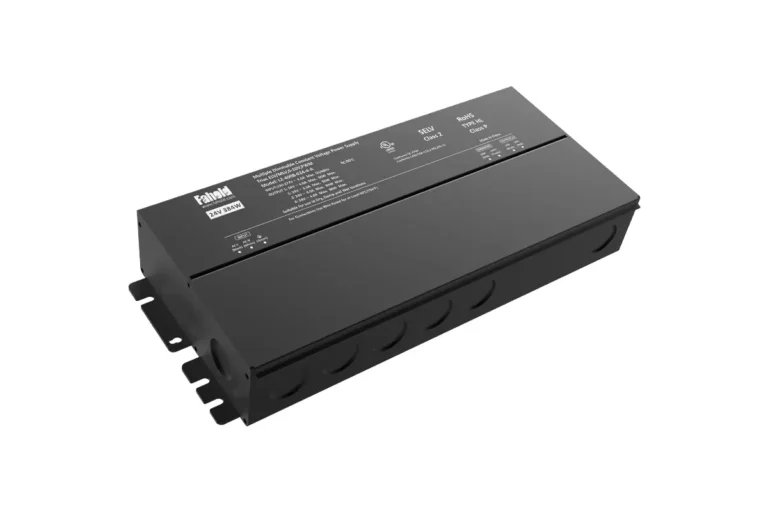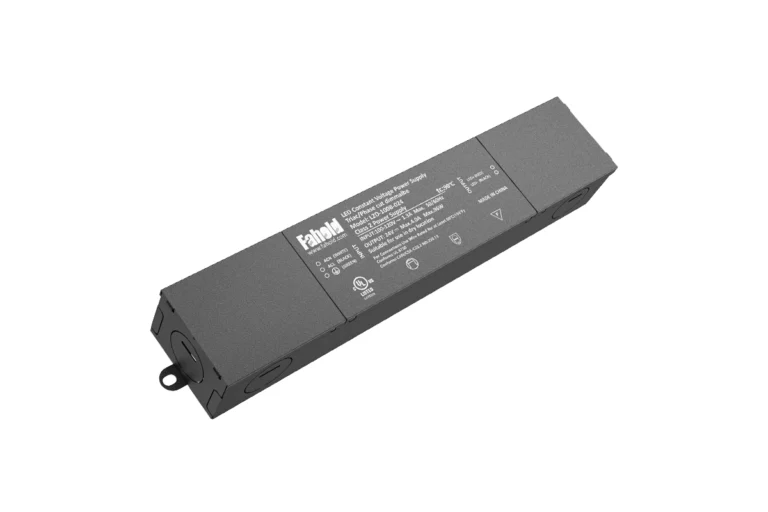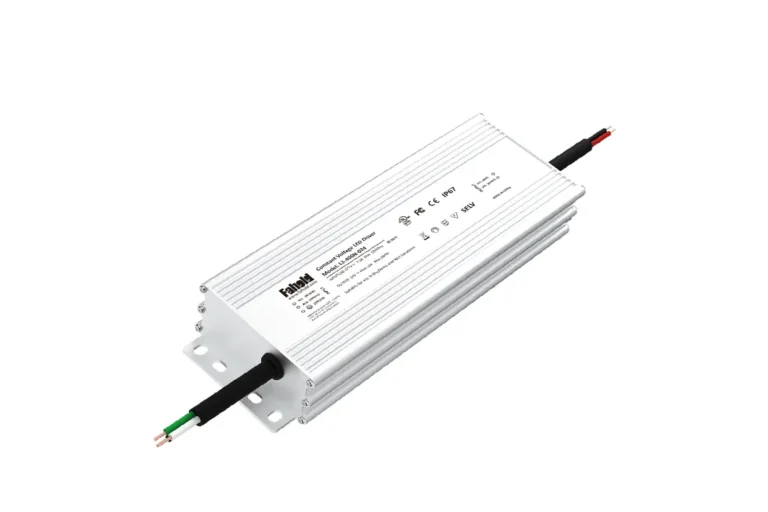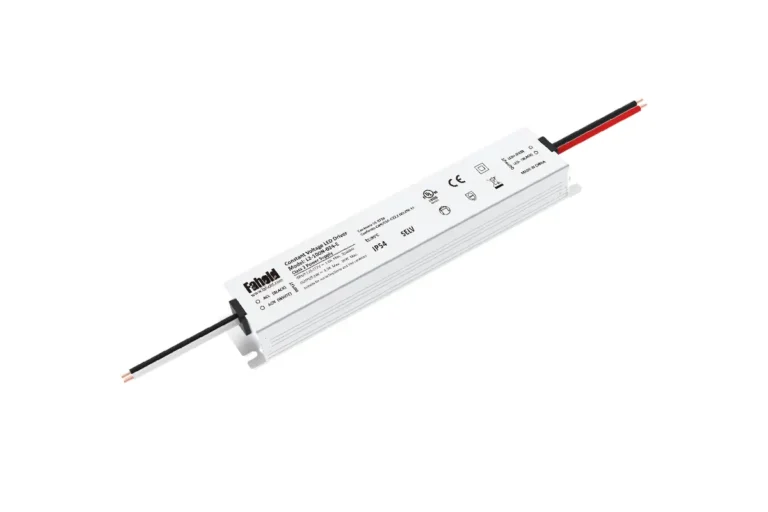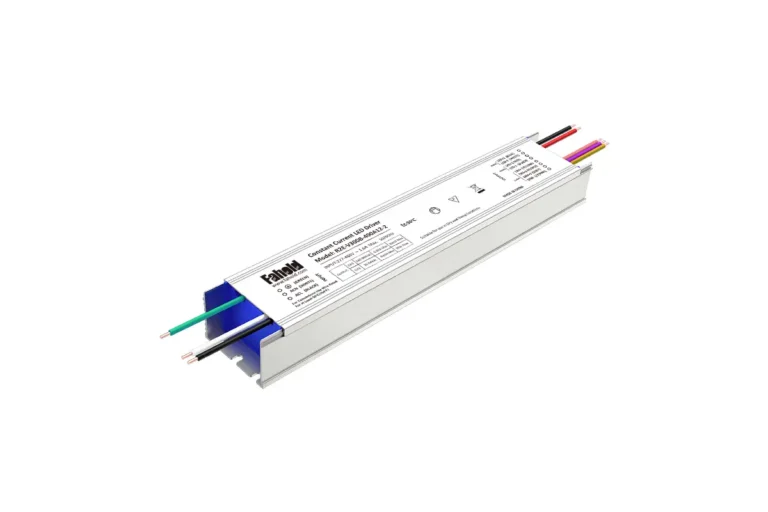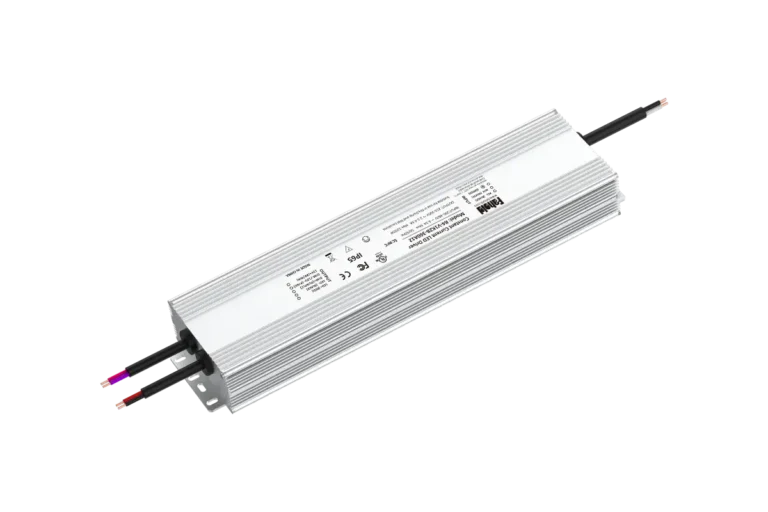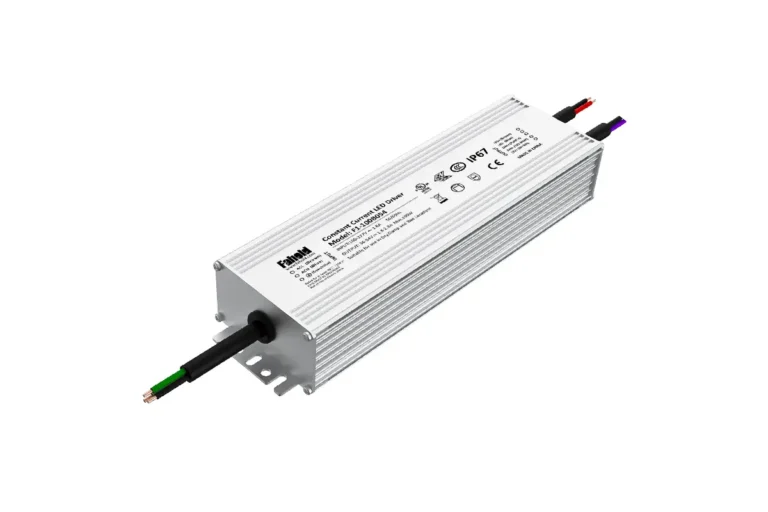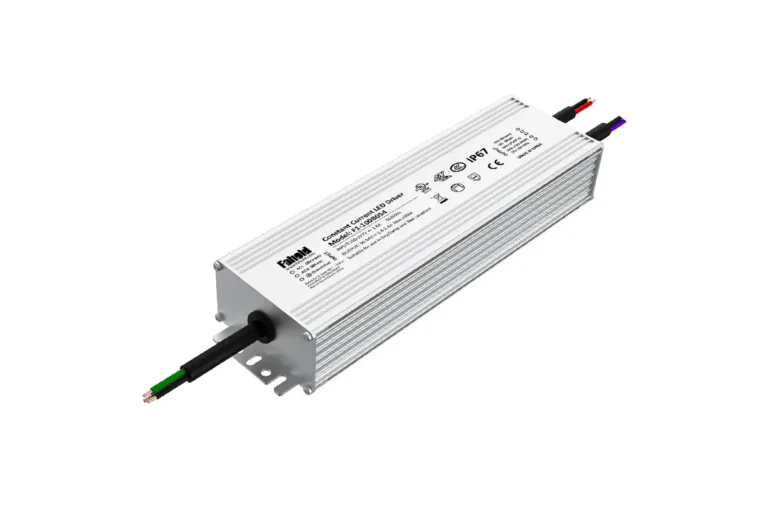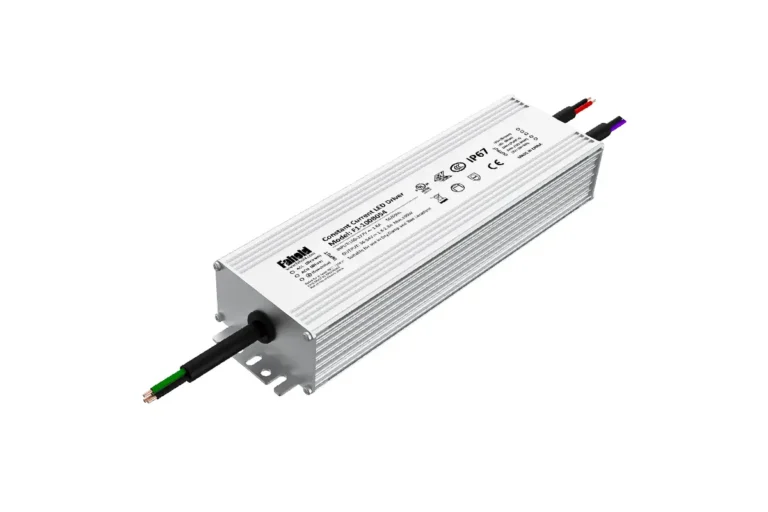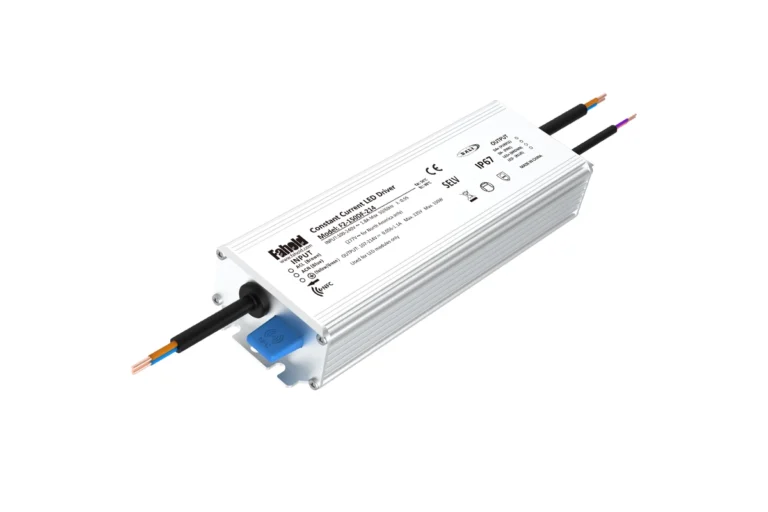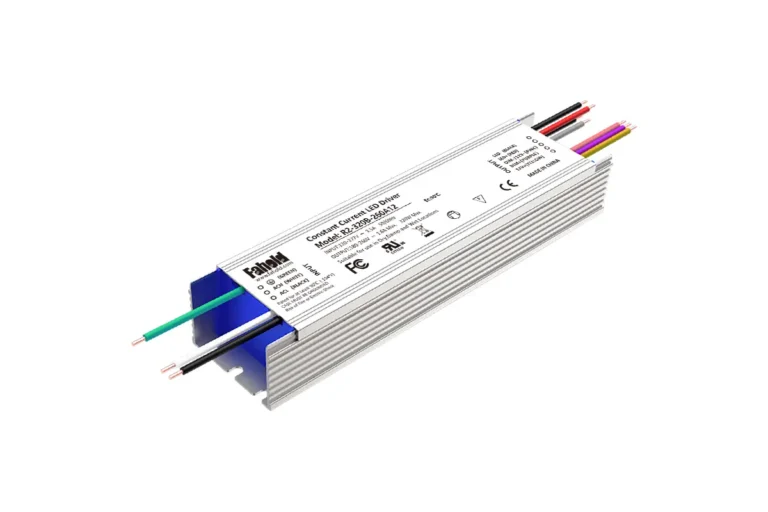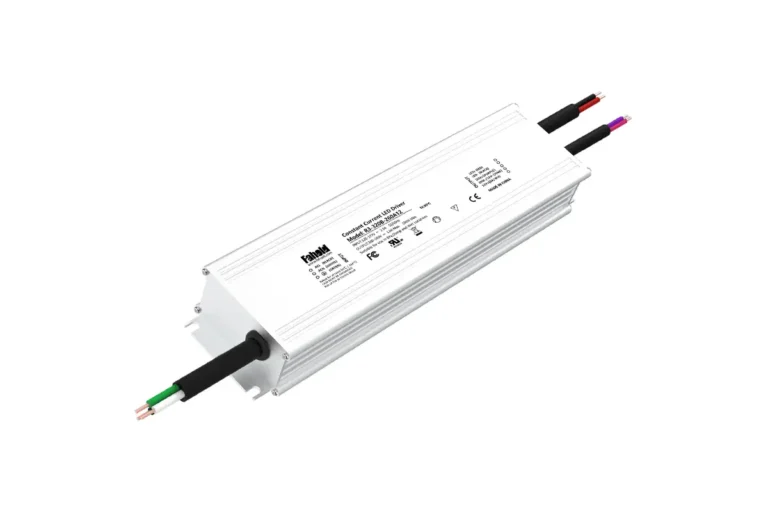
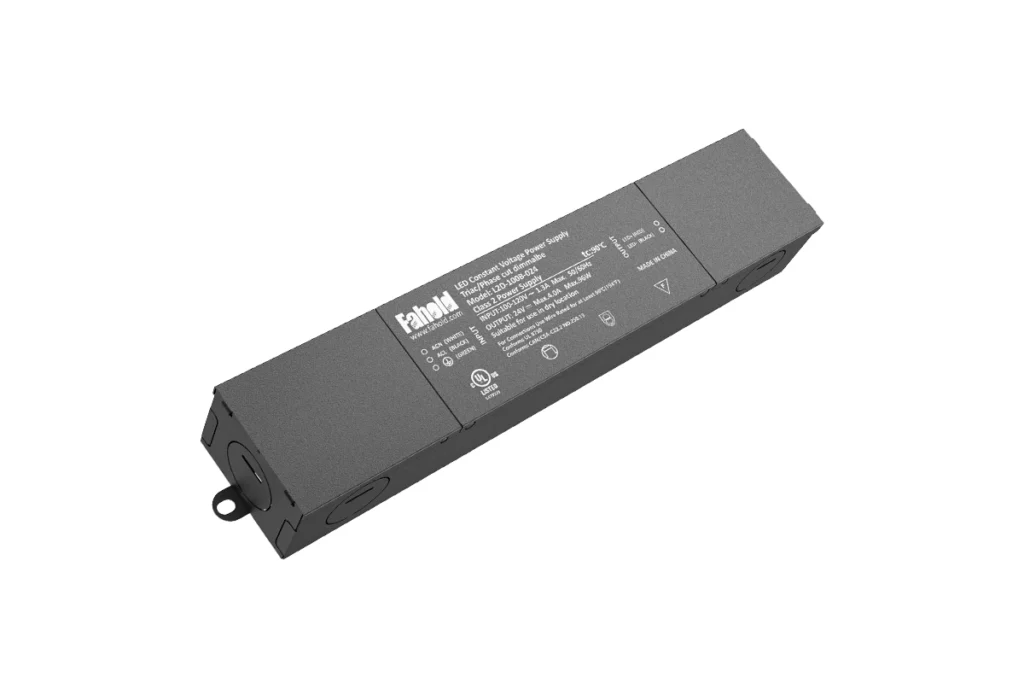
L2D-060X-012 60W 12V Class 2 Constant Voltage LED Driver
- Power60W
- Input100–120Vac (90–132Vac extreme)
- Output Voltage12Vdc
FAHOLD supplies TRIAC, ELV and MLV dimmable LED drivers for North American architectural, hospitality, residential and commercial lighting projects using compatible phase-cut wall dimmers.
Our L2D constant-voltage LED power supply range operates on 100–120Vac input and includes 12V/60W, 24V/60W and 24V/96W Class 2 models with integrated metal junction boxes. Type B configurations support compatible TRIAC, ELV and MLV dimming, while Type N configurations are non-dimmable.
Compare the available products below by LED output voltage, power capacity and dimmer requirements. FAHOLD provides technical documentation, dimmer compatibility review, samples and OEM quotations for lighting manufacturers, contractors and distributors.
For the complete L2D model range, explore the dedicated series. Projects requiring 208V–277V input or broader control interfaces can also evaluate our 5-in-1 dimmable LED drivers, subject to control compatibility verification.
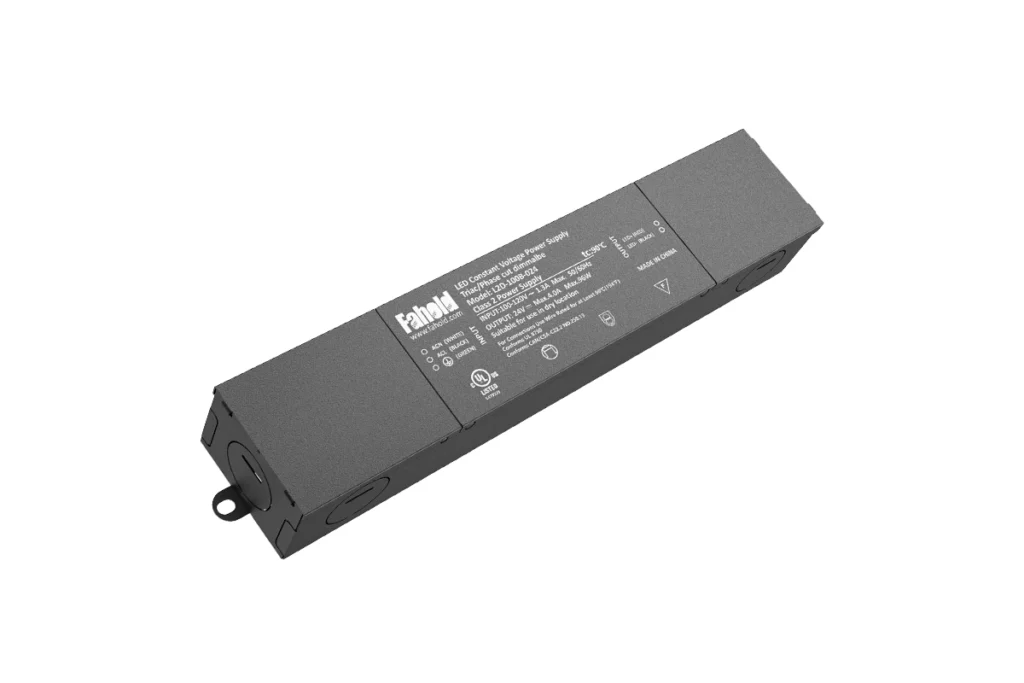
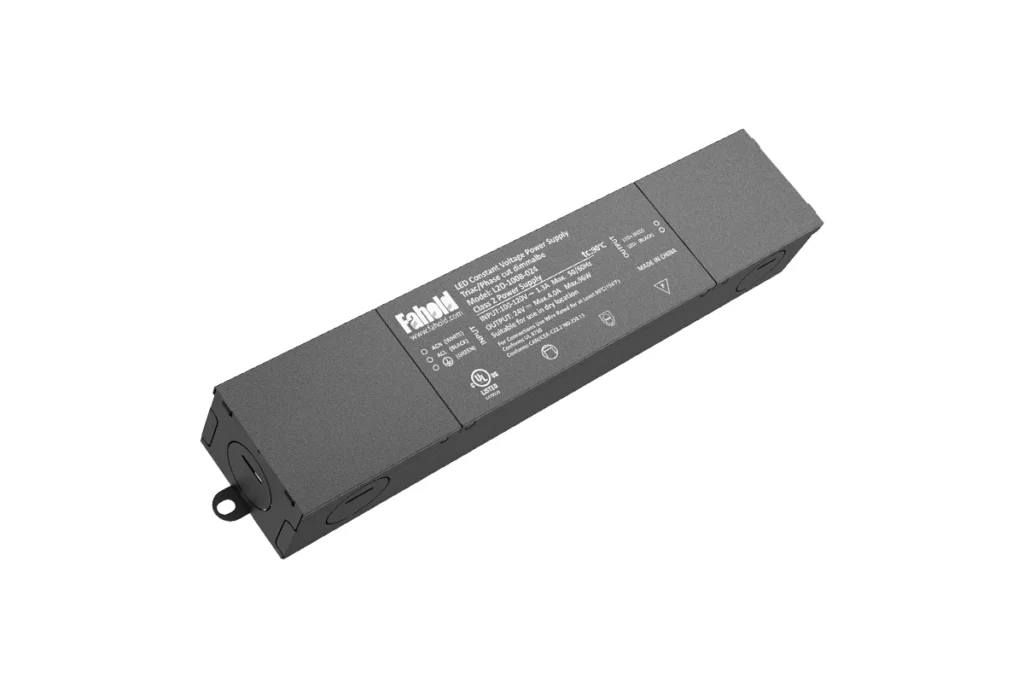
FAHOLD offers TRIAC, ELV and MLV dimmable LED power supplies for 12V and 24V constant-voltage lighting systems. These phase-cut driver solutions are intended for architectural fixtures, LED strips, linear lighting, cabinet lighting and commercial interior lighting using compatible wall dimmers.
The L2D platform provides a 100–120Vac input range, Class 2 low-voltage outputs and an integrated metal junction box. Type B models are designed for phase-cut dimming, while Type N models provide non-dimmable operation.
Different wall dimmers use different phase-control characteristics. Selecting the correct LED driver requires confirming the exact dimmer type and model, rather than relying on the term "TRIAC compatible" alone.
| Dimming Control | Typical Application | What to Confirm |
|---|---|---|
| TRIAC / Forward-Phase | Residential and hospitality wall-dimmer installations | Forward-phase compatibility, connected load and dimming stability |
| ELV / Reverse-Phase | Architectural lighting using electronic low-voltage dimmers | Reverse-phase support and minimum operating load |
| MLV Dimming | Projects using magnetic low-voltage dimmer types | Actual phase-control method and approved driver compatibility |
MLV describes a type of dimmer and load application rather than a completely separate universal control waveform. Many MLV dimmers use forward-phase control, but the actual dimmer specification should determine compatibility.
FAHOLD L2D Type B configurations support compatible TRIAC, ELV and MLV dimming applications. The wall dimmer, LED load and selected driver should be evaluated as one system.
The correct constant-voltage LED driver must match the rated voltage and electrical load of the fixture.
| FAHOLD Model | AC Input | DC Output | Rated Power |
|---|---|---|---|
| L2D-060X-012 | 100–120Vac | 12V / 5A | 60W |
| L2D-060X-024 | 100–120Vac | 24V / 2.5A | 60W |
| L2D-100X-024 | 100–120Vac | 24V / 4A | 96W |
For dimmable projects, request the appropriate Type B configuration and confirm the actual wall-dimmer model before ordering.
For complete electrical specifications, dimensions and additional model details, visit the L2D 100–120V product series.
Hotels, guest rooms and residential interiors may use phase-cut wall dimmers to control low-voltage LED strips and accent lighting.
The 60W 12V and 60W 24V L2D models can be evaluated for compatible lower-power installations. Choose the output voltage according to the fixture specification and confirm dimmer compatibility before installation.
Cabinet lighting, display showcases and built-in architectural details often require compact constant-voltage power supplies.
The L2D platform combines a metal enclosure and junction box with 12V or 24V output options, allowing the designer to evaluate an enclosed power solution for supported dry and damp installation conditions.
For a 24V LED strip installation with a connected load of 70W, the L2D-100X-024 96W driver is a possible initial selection.
Its 24V / 4A output provides a rated maximum of 96W. The final design must also consider driver operating conditions, dimmer compatibility, low-voltage cable losses and the manufacturer's applicable installation requirements.
This is an illustrative selection example, not an approved installation design.
A dedicated L2D phase-cut driver is a suitable starting point when the lighting project uses a 100–120Vac supply and a compatible TRIAC, ELV or MLV wall dimmer.
Projects requiring different lighting-control interfaces, such as 0–10V or PWM, should evaluate the FAHOLD 5-in-1 dimmable LED driver range.
For 208V, 240V or 277V building supplies, a wider-input driver platform is required. Input-voltage compatibility and dimming-control compatibility must be verified independently.
Before selecting a TRIAC dimmable LED power supply, verify the wall-dimmer model, AC supply, LED load voltage, connected wattage, minimum load and expected dimming range.
L2D Type B configurations specify a 0–100% dimming range, with approximately 1% LED starting behavior possible under compatible conditions. Actual low-end performance depends on the complete driver, dimmer and LED-load combination.
Where Class 2 output is required, request the safety documentation applicable to the exact model and configuration.
FAHOLD supports OEM lighting manufacturers, commercial lighting suppliers and project contractors with constant-voltage phase-cut LED driver sourcing.
Our team can help review LED load requirements, dimmer compatibility, standard model selection, technical documentation, samples and project-specific purchasing requirements.
Share your input voltage, 12V or 24V LED load, connected wattage, exact wall-dimmer brand and model, installation conditions and estimated order quantity.
FAHOLD can help identify suitable L2D Type B configurations and confirm technical requirements before sample approval or bulk procurement.
TRIAC is commonly associated with forward-phase dimming, while ELV dimmers typically use reverse-phase control. MLV dimmers are designed for magnetic low-voltage applications and commonly use forward-phase control. Always confirm the exact dimmer model and the required driver compatibility.
Yes. FAHOLD's L2D product range includes a 60W 12V driver, a 60W 24V driver and a 96W 24V driver. Each model uses a 100–120Vac rated input platform and offers a Type B phase-cut dimming configuration.
No. The current L2D models are rated for 100–120Vac input. Projects using 208V, 240V or 277V supplies must use a suitable wider-input driver platform, with the selected dimming method separately verified.
No. L2D Type B supports compatible TRIAC, ELV and MLV phase-cut dimming. Type N is the non-dimmable configuration. Specify the required Type B version when requesting a quotation for a dimmable lighting project.
Compatibility should not be assumed from the dimmer brand alone. Provide the exact wall-dimmer model, LED load voltage, wattage and project operating conditions so FAHOLD can review the combination and determine whether compatibility testing is required.
Yes. FAHOLD supports sample evaluation, technical model matching and OEM/ODM purchasing inquiries. Submit your driver specifications, control requirements, estimated order quantity and installation conditions to request the appropriate L2D configuration and commercial terms.