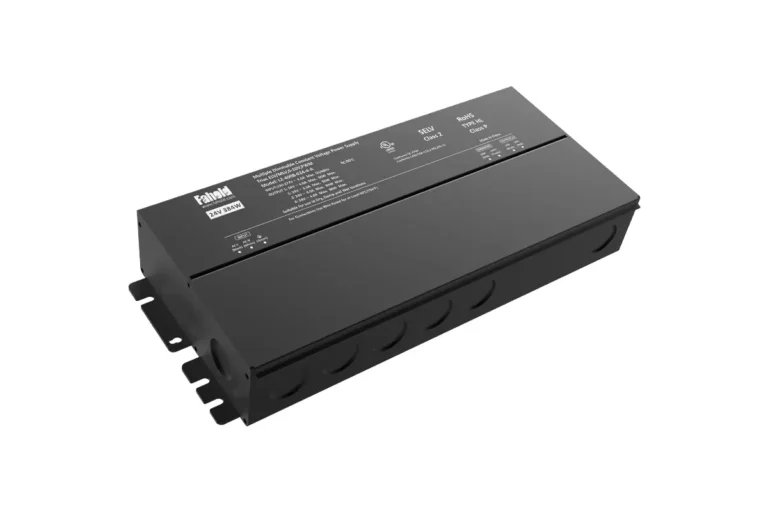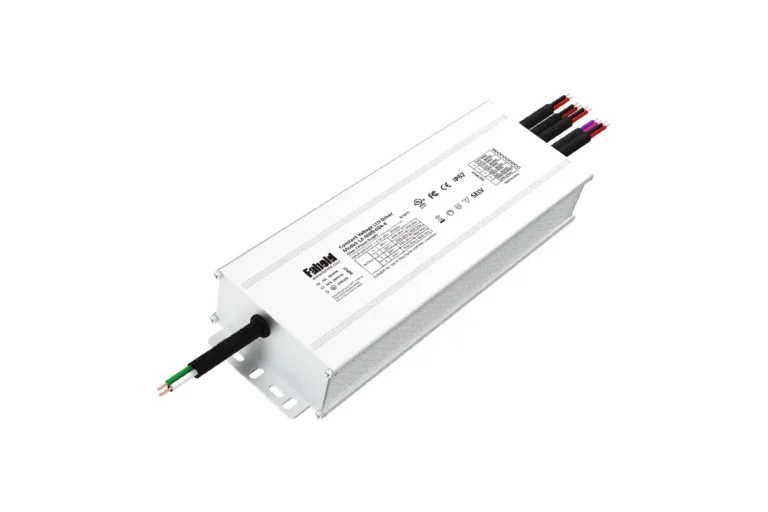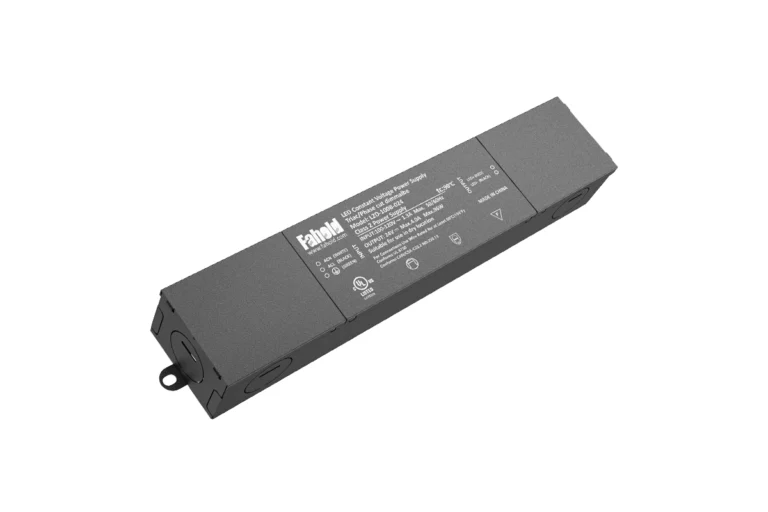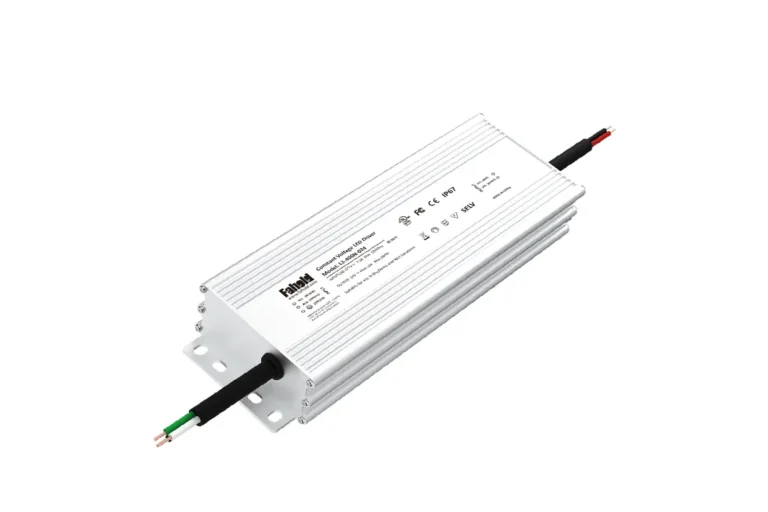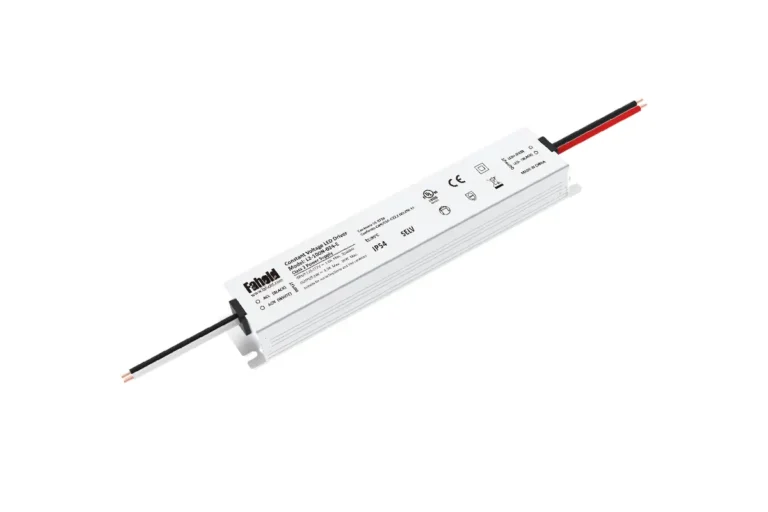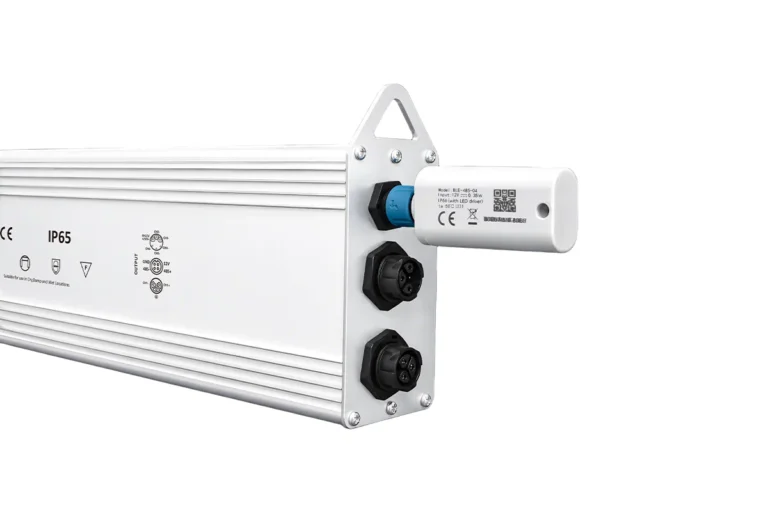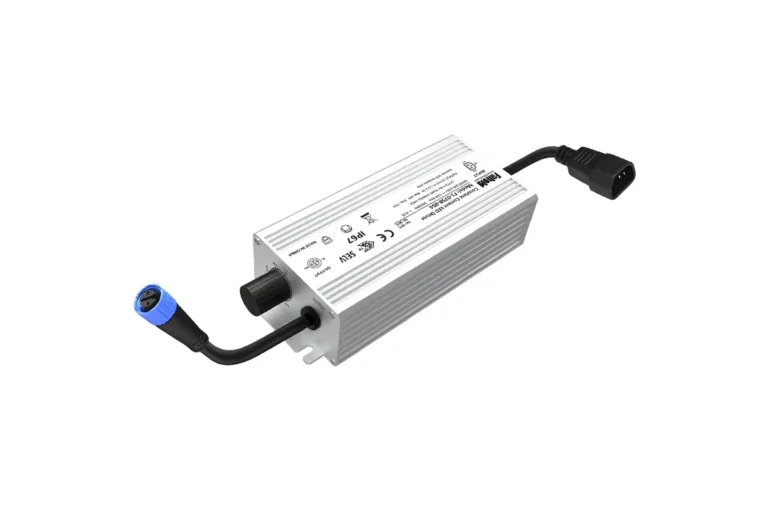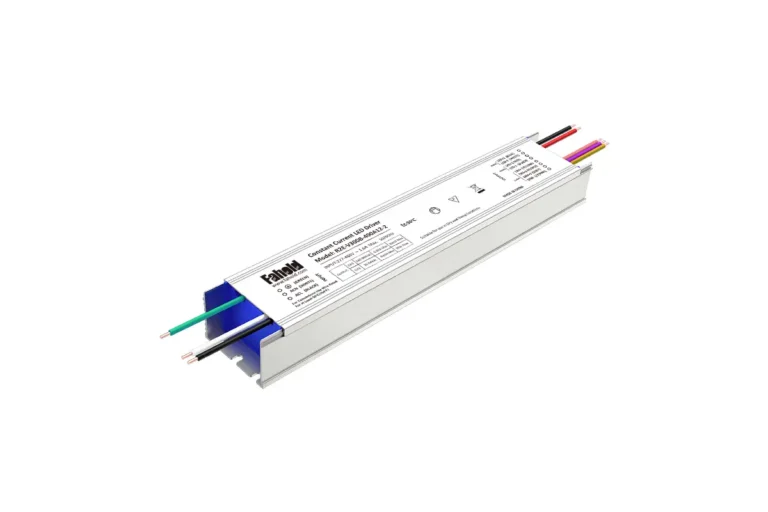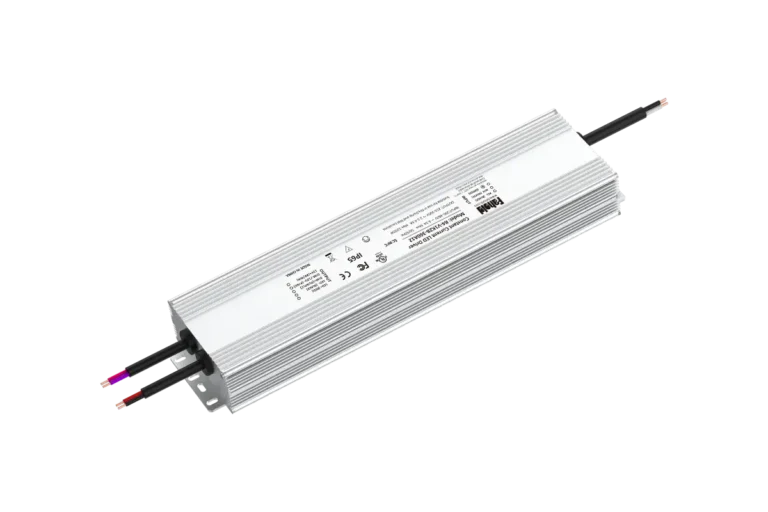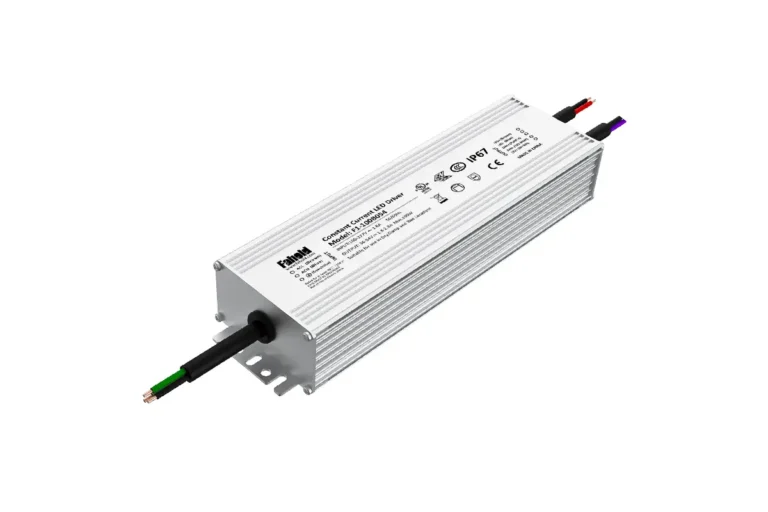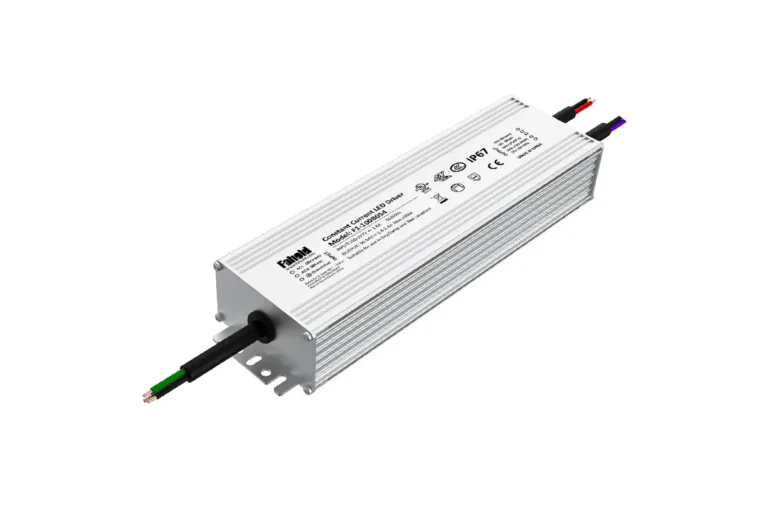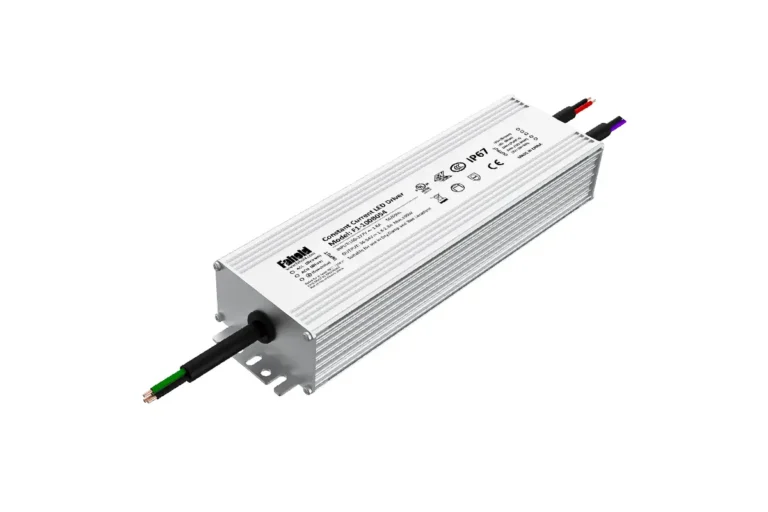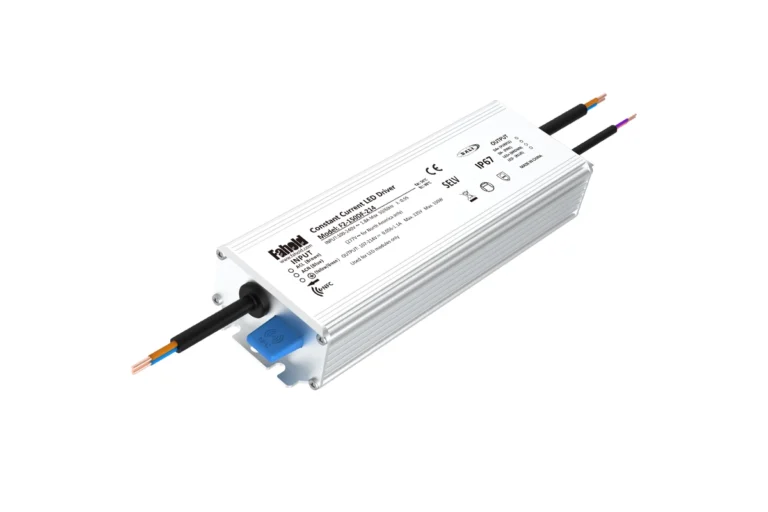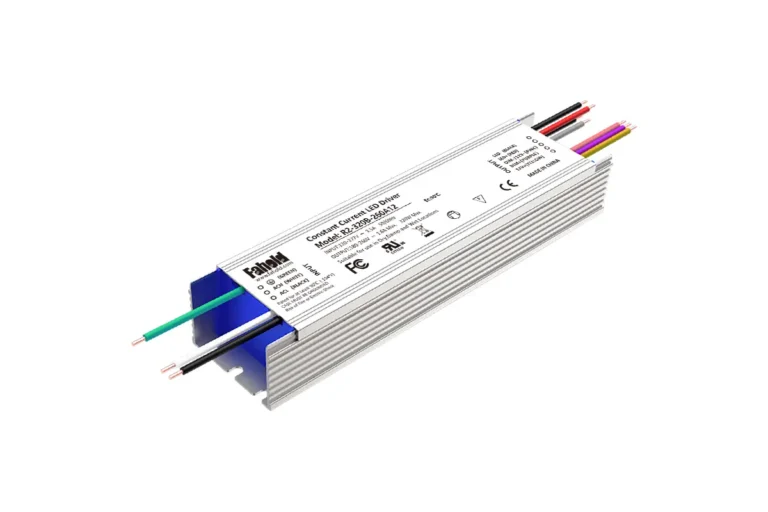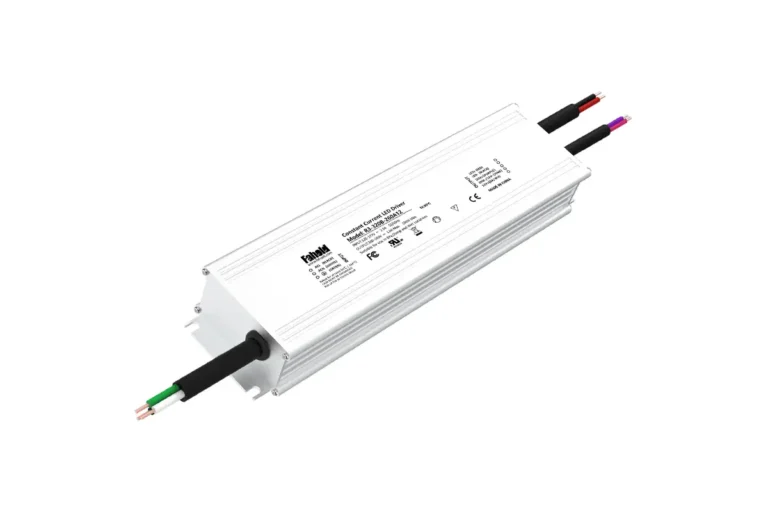
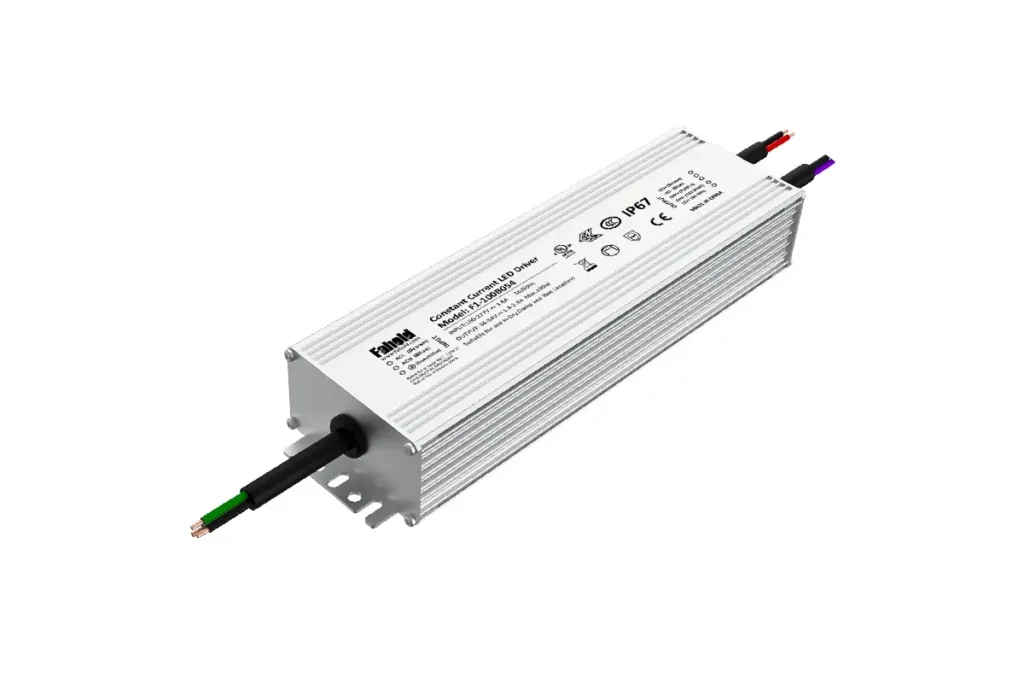
0-10V Outdoor LED Drivers
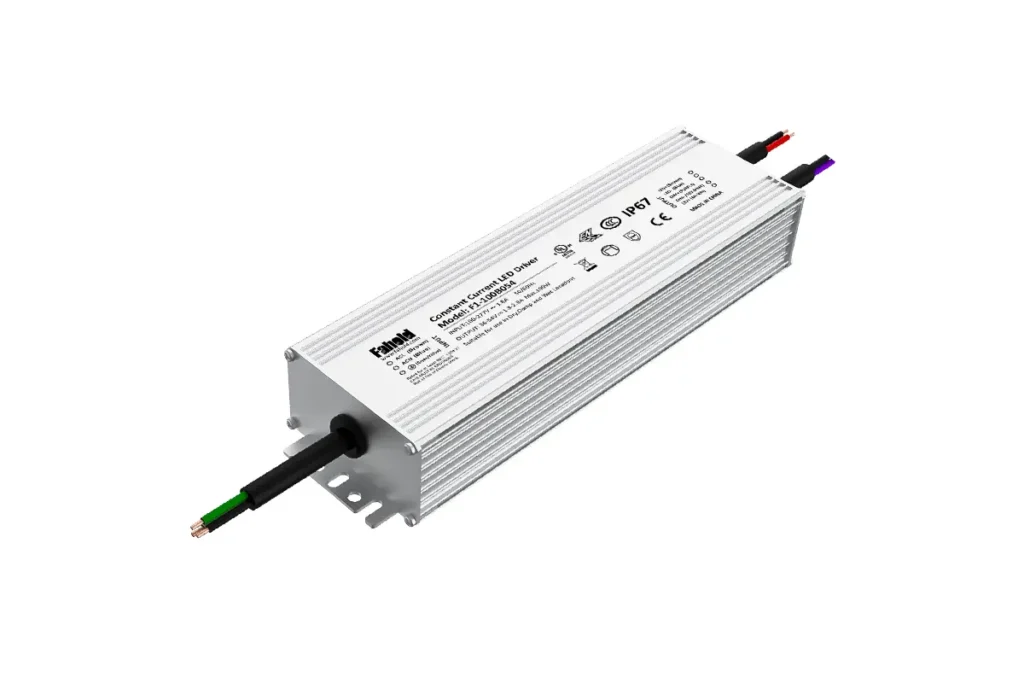
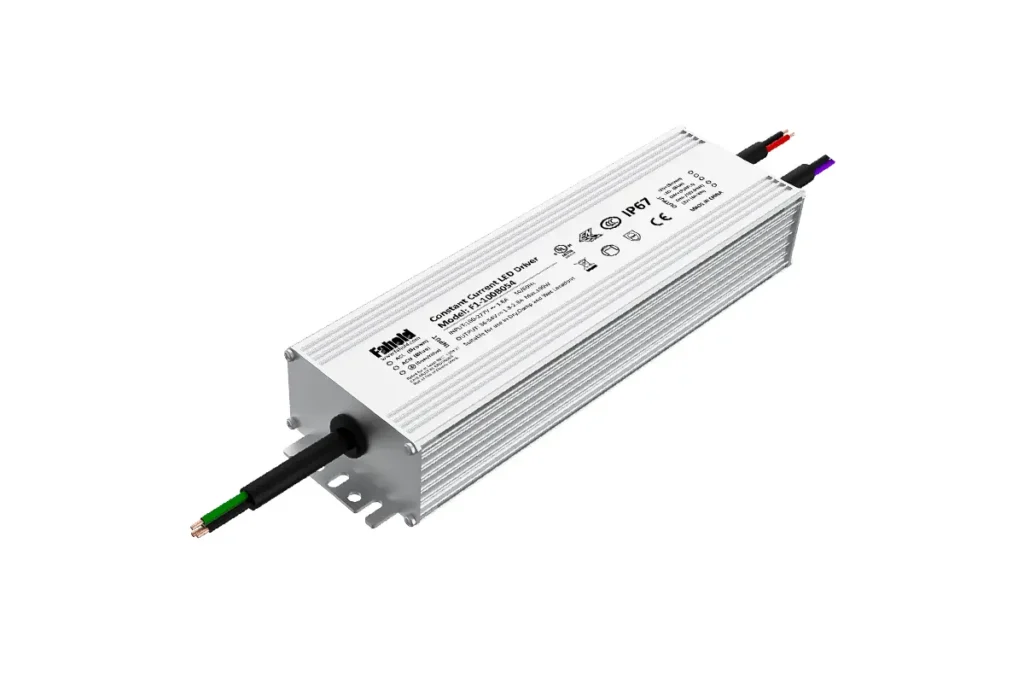
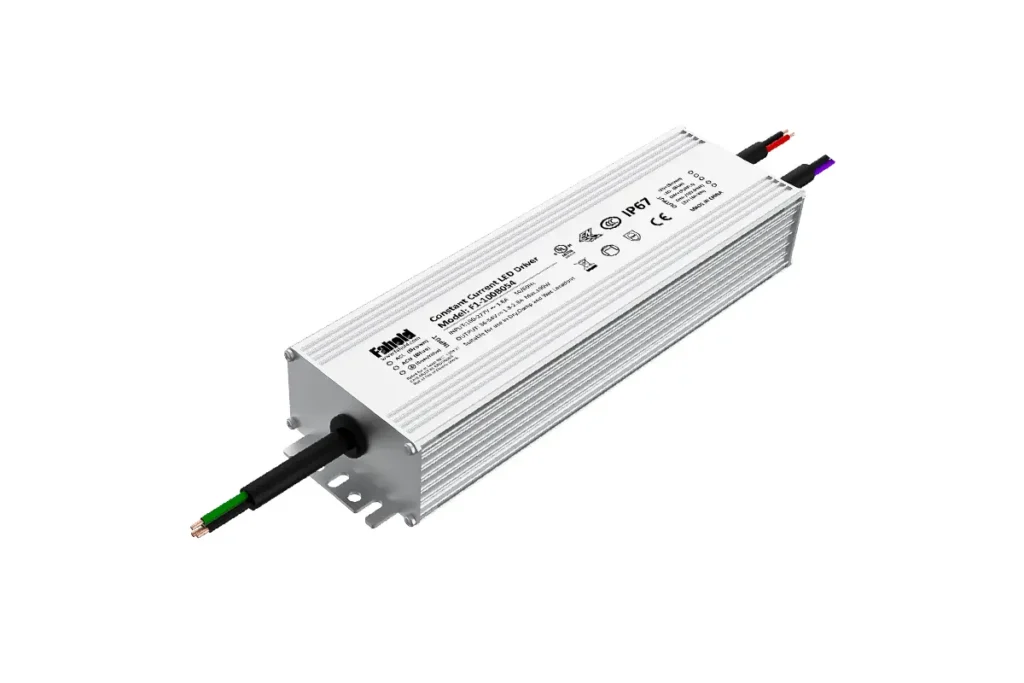
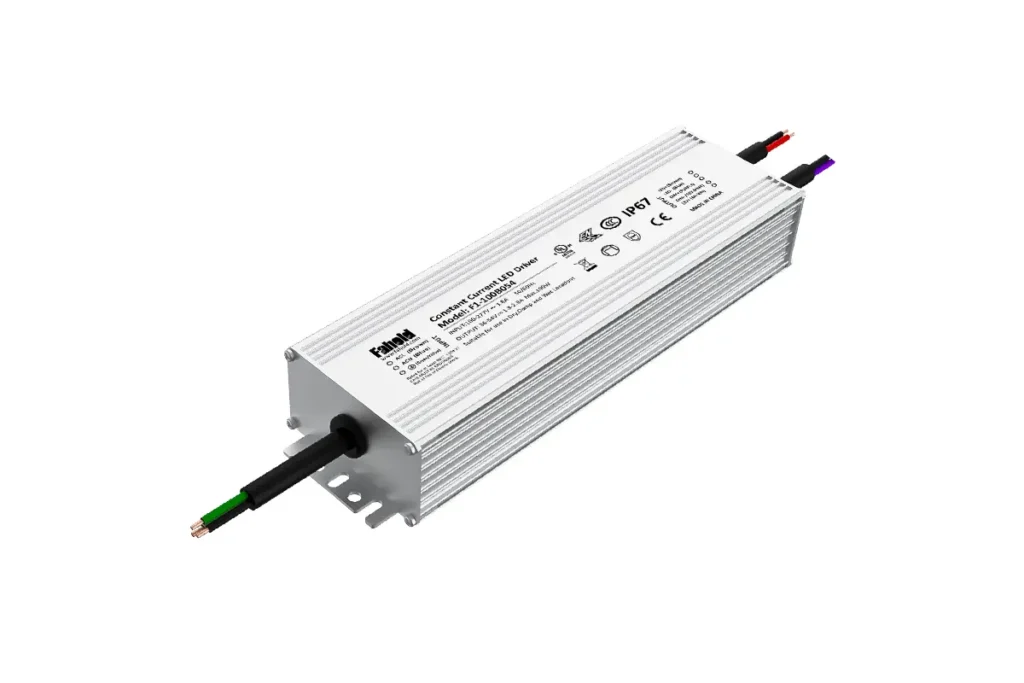
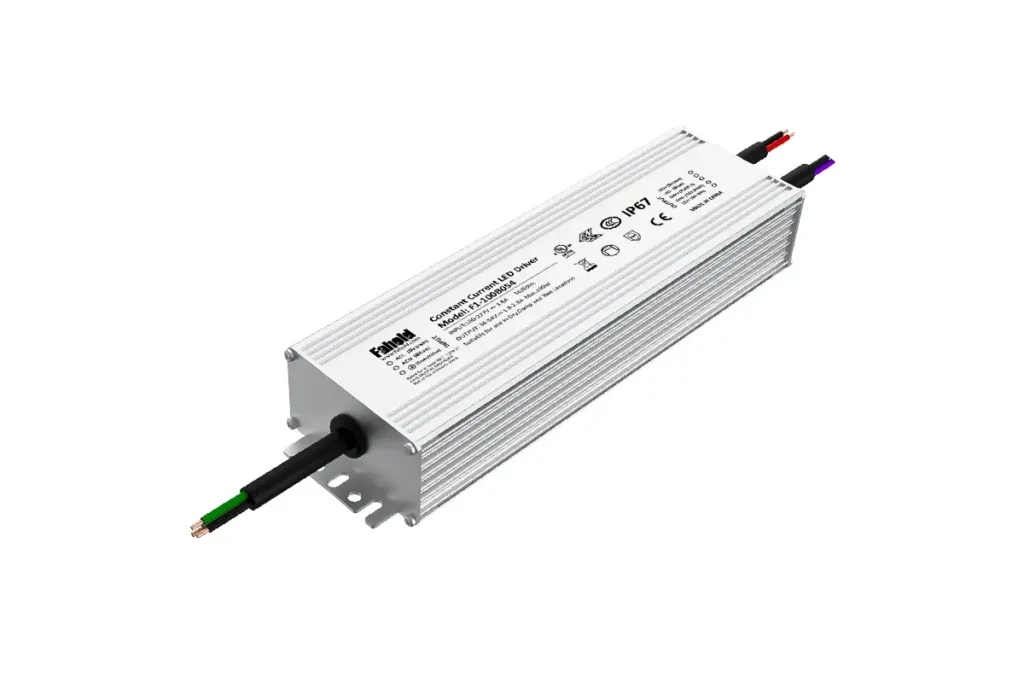
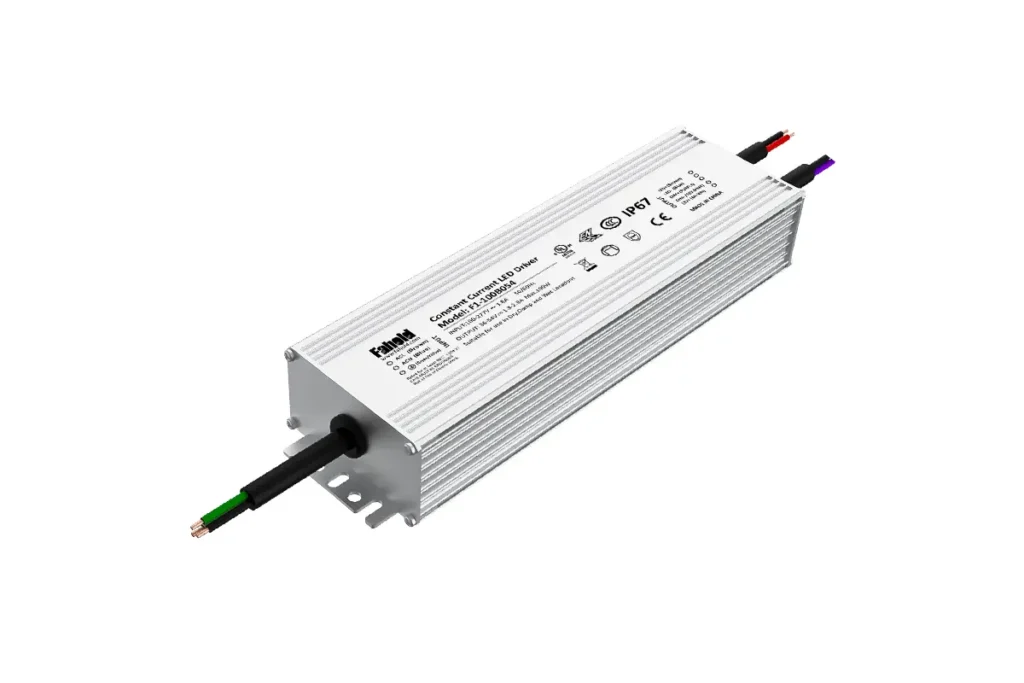
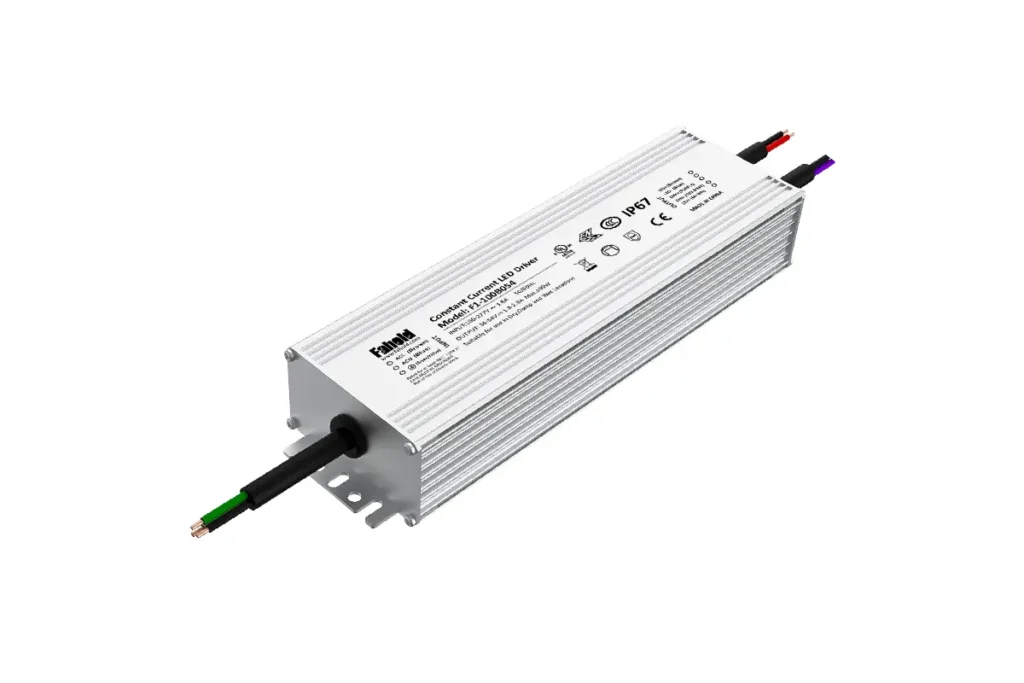
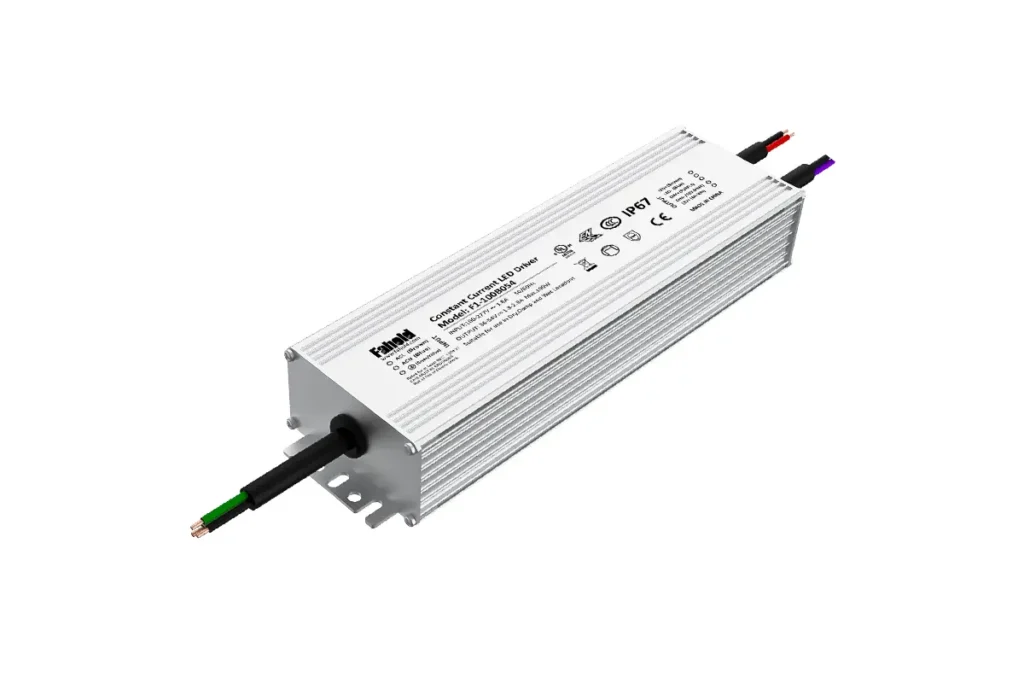
FAHOLD 0–10V outdoor LED drivers provide dimmable and programmable constant-current power for street lights, tunnel lights, sports lighting, area lights and other professional outdoor luminaires. The current portfolio includes 44 products across the F1, F1E and compact T1 platforms, covering approximately 26W to 400W.
Available input platforms include 100–277Vac and 200–277Vac with multiple LED output-voltage and current ranges. Depending on series and control configuration, available functions include 0–10V dimming, PWM / resistor / timer control, offline output-current programming, potentiometer adjustment, IP65 / IP67 outdoor protection and surge protection.
Compare products below by wattage, AC input, LED output voltage, current range and control requirements. For more precise selection, choose F1 for broad 100–277V outdoor projects, F1E for 200–277V applications, or T1 for compact 26W–60W luminaires.
Page 2 of 5
0–10V Outdoor LED Drivers for Street, Tunnel and Commercial Lighting
FAHOLD 0–10V outdoor LED drivers are designed for professional luminaires that require adjustable constant-current output together with outdoor-grade electrical and environmental performance. Typical applications include street lights, roadway fixtures, tunnel lights, stadium luminaires, area lighting, display lighting and other commercial outdoor LED systems.
The current category combines three product families: F1 for broad 100–277Vac applications, F1E for dedicated 200–277Vac projects and T1 for compact lower-power fixtures. Together, these platforms cover approximately 26W to 400W and provide multiple LED voltage and current windows.
The correct driver should be selected from the LED module's voltage range, operating current, maximum wattage, AC input, required control method, IP protection and surge environment rather than from power rating alone.
What Is a 0–10V Dimmable LED Driver?
A 0–10V LED driver uses a low-voltage analog control signal to adjust LED output. The control circuit is separate from the main LED power output, allowing a compatible controller, sensor or lighting-management system to change luminaire brightness without changing the facility AC supply.
In outdoor lighting, 0–10V control is commonly used when street lights, tunnel fixtures, area lights or commercial luminaires need scheduled dimming, sensor-based adjustment or centralized intensity control.
The exact dimming range and control behavior depend on the selected driver configuration and controller. The driver, control wiring and lighting-management system should therefore be validated together during luminaire development.
44 Outdoor LED Drivers Across F1, F1E and T1 Platforms
FAHOLD currently organizes the 0–10V / programmable outdoor portfolio into three main electrical and mechanical platforms.
| Platform | Products | Rated Input | Power Direction | Primary Selection Direction |
|---|---|---|---|---|
| F1 | 22 models | 100–277Vac | 40W–400W | Broad programmable street, tunnel, sports and outdoor lighting |
| F1E | 18 models | 200–277Vac | 50W–320W | Commercial and European-market outdoor lighting using higher AC input |
| T1 | 4 models | 100–277Vac | 26W–60W | Compact street, tunnel, display and auxiliary outdoor luminaires |
Select the platform first from AC input, fixture wattage and mechanical requirements. Individual models can then be compared by LED voltage window and output current.
F1 100–277V 0–10V Outdoor LED Drivers
F1 is the broadest FAHOLD platform in this category. Current products use 100–277Vac input and span approximately 40W to 400W with multiple output-voltage platforms for different LED module architectures.
Compatible F1 Type B configurations support dimming together with offline output-current programming. Depending on configuration, the broader platform supports 0–10V, PWM, resistor and timer-dimming functions.
This makes F1 relevant to OEM street-light, tunnel-light and sports-lighting manufacturers that require one configurable outdoor-driver family across several fixture powers and LED operating points.
Compare the complete range at
F1 0–10V Outdoor LED Drivers (100–277Vac)
.
F1E 200–277V Programmable Outdoor LED Drivers
F1E is the 200–277Vac branch of the programmable outdoor-driver portfolio. Current models cover approximately 50W to 320W and provide multiple low-, medium- and high-voltage LED output configurations.
The platform is particularly relevant to commercial outdoor-lighting projects that operate from 208V, 220–240V or 277V-class electrical infrastructure and do not require nominal 120Vac operation.
Compatible control configurations provide programmable output and analog dimming functions for street lights, tunnel lights, stadium lighting and other professional outdoor luminaires.
Compare
F1E Programmable Outdoor LED Drivers (200–277Vac)
.
T1 Compact 0–10V Outdoor LED Drivers
T1 extends the FAHOLD outdoor platform into compact 26W to 60W power classes. Current models use 100–277Vac input and are designed for luminaires where internal driver space is more limited.
The 26W and 40W products use a compact enclosure approximately 108.5 × 62 × 32mm, making the T1 platform useful for smaller street lights, tunnel fixtures, display lighting and auxiliary outdoor luminaires.
Compatible T1 configurations support programmable and multi-mode control functions while retaining IP65 / IP67 outdoor enclosure options and surge protection.
Compare
T1 Compact Outdoor LED Drivers (100–277Vac)
.
26W to 400W 0–10V Outdoor LED Driver Range
The combined F1, F1E and T1 portfolio covers a wide range of outdoor luminaire power classes.
| Power Direction | Typical Platform | Typical Application |
|---|---|---|
| 26W–60W | T1 / lower-power F1 | Compact street, tunnel, display and auxiliary outdoor fixtures |
| 75W–150W | F1 / F1E | Street lights, tunnel luminaires and commercial area lighting |
| 200W–240W | F1 / F1E | Higher-output roadway, tunnel, stadium and area fixtures |
| 320W–400W | F1 / F1E | High-power commercial roadway, sports and outdoor lighting |
Always confirm the actual electrical specification of the selected model. Driver wattage alone does not confirm compatibility with an LED module.
100–277V 0–10V LED Drivers
100–277Vac is the main wide-input platform for F1 and T1. This range supports common commercial lighting supplies such as nominal 120V, 208V, 240V and 277V, subject to the specific project and driver requirements.
For OEM luminaire manufacturers, wide AC input can simplify development of fixture families intended for several commercial power environments.
The LED output specification remains independent from the AC input. Driver selection must still account for the LED board's forward-voltage range and required constant current.
200–277V Programmable Outdoor LED Drivers
Projects designed specifically around higher commercial AC voltages can use the F1E 200–277Vac platform.
This architecture is particularly useful when operation from nominal 120Vac is unnecessary and the outdoor-lighting project is standardized around 208V, 220–240V or 277V electrical infrastructure.
F1E provides several output-voltage platforms, allowing fixture designers to match different LED-string architectures without moving to a completely different outdoor-driver family.
Constant-Current 0–10V LED Drivers
Professional street and outdoor lighting generally requires controlled LED current rather than a simple fixed-voltage power supply. A constant-current driver regulates the LED operating current while allowing output voltage to vary within the permitted range of the selected model.
For correct matching, provide the LED module's minimum, nominal and maximum forward voltage together with the required current and maximum power.
An LED driver with sufficient wattage can still be unsuitable if the required current or LED voltage falls outside its supported operating window.
Programmable Outdoor LED Drivers
Compatible F1, F1E and T1 configurations support offline output-current programming. This allows supported electrical parameters to be configured within the operating limits of the selected driver.
Programmability can help outdoor-lighting manufacturers standardize one power platform across several related luminaire SKUs. Different street-light wattages or LED modules may use the same basic driver direction with different programmed current settings when electrical and thermal limits permit.
The programmed operating point should be defined before production so the driver setting, luminaire wattage and final product label remain consistent.
0–10V, PWM, Resistor and Timer Control
The FAHOLD programmable outdoor platform supports several lighting-control directions depending on series and configuration.
| Control Method | Typical Use | Selection Consideration |
|---|---|---|
| 0–10V | Analog dimming for street, tunnel and commercial outdoor lighting | Confirm signal range, control wiring and controller compatibility |
| PWM | Fixture controllers and automated lighting systems | Confirm signal voltage, frequency and interface requirements |
| Resistor Control | Resistance-based output adjustment | Confirm supported resistance range and driver configuration |
| Timer Dimming | Scheduled nighttime roadway and area-lighting profiles | Define required dimming stages and operating schedule |
Not every supplied configuration includes every control method. The required control version should be confirmed during model selection and quotation.
Timer Dimming for Street Lights
Timer dimming can reduce street-light or area-light output during lower-traffic periods without requiring continuous external control communication.
A typical project may operate at higher output during early evening and reduce fixture power later at night according to the programmed lighting strategy.
The exact timer behavior is project- and configuration-dependent, so the desired operating schedule should be defined during driver specification.
0–10V LED Drivers for Street Lighting
Street-light projects often require more than simple ON/OFF operation. A 0–10V compatible driver allows the luminaire to integrate with controllers, sensors or centralized roadway-lighting systems that adjust fixture output according to project requirements.
F1 provides the broadest 100–277Vac power range for this application, while F1E provides a dedicated 200–277Vac direction and T1 covers smaller lower-power fixtures.
For application-level roadway system selection, review
Street Lighting LED Driver Solutions
.
0–10V LED Drivers for Tunnel Lighting
Tunnel lighting frequently requires controlled light levels across entrance, transition and interior zones. Dimmable driver capability can help the lighting system adapt fixture output to different tunnel sections and operating conditions.
When selecting a tunnel-light driver, evaluate LED voltage, current, dimming method, surge requirements, enclosure protection and thermal operating conditions together.
Programmable Drivers for Stadium and Sports Lighting
Sports and large-area fixtures can require higher output power together with programmable current and external dimming capability. Higher-power F1 models provide several voltage and current configurations for compatible stadium and professional outdoor fixtures.
At these power levels, driver efficiency, fixture cooling, surge environment and cable architecture should be evaluated together with the control interface.
IP65 and IP67 0–10V Outdoor LED Drivers
F1, F1E and T1 platforms provide IP65 / IP67 outdoor enclosure options depending on configuration. These ratings help protect the driver against dust and moisture in professional outdoor-lighting installations.
The driver IP rating applies to the driver enclosure itself. Connectors, cables, junctions, luminaire housing and mounting conditions must also be designed for the intended outdoor environment.
Always confirm the exact IP configuration ordered for the project rather than assuming all versions of a series use the same enclosure option.
Surge Protection for Street and Outdoor Lighting
Outdoor luminaires can be exposed to switching transients, long cable runs and lightning-related disturbances, making surge capability an important driver-selection parameter.
Current F1 and T1 examples specify differential-mode surge protection up to 6kV and common-mode protection up to 10kV. Exact surge capability should be confirmed for the selected series and model before project approval.
Driver-level protection should be coordinated with facility grounding and system-level surge-protection design.
Electrical Protection Functions
Depending on series and configuration, FAHOLD outdoor-driver platforms include protection functions such as short-circuit protection, over-voltage protection and over-temperature protection.
These functions help protect the driver during abnormal operating conditions but do not replace correct LED-board design, luminaire thermal management, grounding or branch-circuit protection.
0–10V vs DALI-2 Outdoor LED Drivers
0–10V and DALI-2 are both used for controlled outdoor lighting, but they use different communication architectures.
| Control System | Architecture | Typical Project Direction |
|---|---|---|
| 0–10V | Analog control signal | Street lights, tunnel lights and commercial outdoor fixtures requiring straightforward dimming |
| DALI-2 | Digital addressable communication | Connected lighting networks requiring digital device communication and addressing |
If the project requires a dedicated DALI-2 digital-control platform, compare
DALI-2 Outdoor LED Drivers
.
Choose the control protocol from the actual project architecture rather than assuming one system is universally preferable.
How to Select the Right 0–10V Outdoor LED Driver
- Confirm the facility AC input.
Determine whether the luminaire requires a 100–277Vac or 200–277Vac platform. - Define the LED forward-voltage window.
Provide the minimum, nominal and maximum voltage of the LED module. - Determine the required output current.
Match the LED operating current to the supported range of the selected driver. - Calculate the maximum electrical power.
Use the actual LED load rather than fixture marketing wattage alone. - Confirm the 0–10V control requirement.
Define the controller, dimming range, control wiring and expected low-end behavior. - Determine whether offline programming is required.
Programmability can help one driver platform support several related luminaire configurations. - Check additional control requirements.
Specify PWM, resistor or timer-dimming requirements when applicable. - Select the required IP protection.
Confirm whether IP65 or IP67 is required according to driver placement and luminaire construction. - Review surge and thermal requirements.
Consider installation environment, surge exposure, fixture temperature and cooling. - Confirm certification requirements.
Verify driver and finished-luminaire compliance requirements for the target market.
Which FAHOLD 0–10V Outdoor Driver Platform Should You Choose?
| Project Requirement | Recommended Platform |
|---|---|
| Broad 100–277V outdoor lighting from 40W to 400W | F1 |
| 200–277V commercial outdoor lighting from 50W to 320W | F1E |
| Compact 26W–60W street, tunnel or display fixture | T1 |
| Dedicated digital DALI-2 outdoor-control project | F2D — use the DALI-2 category |
For the complete outdoor portfolio, return to
Outdoor LED Drivers
.
0–10V Outdoor LED Driver Manufacturer for OEM Projects
Outdoor luminaire manufacturers often need a driver configuration matched to a specific LED module and control system rather than a generic wattage. AC input, LED voltage, current, programmable setting, dimming interface, enclosure protection, surge capability, dimensions and certification requirements can all affect the final selection.
FAHOLD supports F1, F1E and T1 project matching, programmable-output evaluation, technical datasheets, samples and OEM/ODM outdoor-lighting projects. For accurate pre-selection, provide the AC input, LED voltage range, required current, maximum fixture wattage, 0–10V control requirements, IP rating, surge requirement, target certification and expected quantity.
Frequently Asked Questions
What is a 0–10V outdoor LED driver?
A 0–10V outdoor LED driver provides regulated power to an outdoor LED luminaire while accepting a compatible low-voltage analog control signal for dimming. It is commonly used in street lights, tunnel lights, area lights and other commercial outdoor fixtures that require adjustable light output.
How many 0–10V outdoor LED drivers does FAHOLD offer?
The current FAHOLD 0–10V / programmable outdoor category contains 44 products across three main platforms: 22 F1 models, 18 F1E models and 4 compact T1 models.
What power range is available for 0–10V outdoor LED drivers?
The combined FAHOLD F1, F1E and T1 portfolio covers approximately 26W to 400W. T1 serves compact 26W–60W fixtures, F1E covers approximately 50W–320W, and F1 extends from 40W to 400W.
Do FAHOLD 0–10V outdoor LED drivers support programming?
Yes. Compatible F1, F1E and T1 configurations support offline output-current programming within the electrical limits of the selected driver. This can help OEM manufacturers configure related fixture wattages or LED-module variants from a common driver platform.
Do these outdoor LED drivers also support PWM or timer dimming?
Yes. Depending on series and configuration, the programmable outdoor platforms support 0–10V, PWM, resistor and timer-dimming functions. The exact control configuration should be confirmed before samples or production units are ordered.
Which 0–10V LED driver is suitable for street lighting?
F1 is the broadest direction for 100–277Vac street-light projects from 40W to 400W, while F1E serves 200–277Vac projects and T1 is suited to compact 26W–60W luminaires. Final selection depends on LED voltage, current, wattage, control requirements and enclosure protection.
Are FAHOLD 0–10V outdoor LED drivers waterproof?
F1, F1E and T1 platforms provide IP65 / IP67 outdoor enclosure options depending on the selected configuration. The complete luminaire still requires suitable connectors, cable sealing, housing and installation design to achieve the required environmental protection.
What is the difference between F1 and F1E outdoor LED drivers?
F1 uses a 100–277Vac input platform and currently covers 40W to 400W, while F1E uses 200–277Vac input and covers approximately 50W to 320W. Choose between them according to facility input voltage, required power, LED voltage range and control configuration.
What is the difference between 0–10V and DALI-2 outdoor LED drivers?
0–10V uses an analog control signal for dimming, while DALI-2 uses digital addressable communication between lighting devices and the control system. The correct protocol depends on the project controller, wiring architecture and lighting-management requirements.
What information should I provide to select a 0–10V outdoor LED driver?
Provide the AC input voltage, LED module minimum and maximum forward voltage, required output current, maximum fixture wattage, 0–10V controller requirements, IP rating, surge requirement, installation environment and target certification. These parameters allow the appropriate F1, F1E or T1 model to be selected.