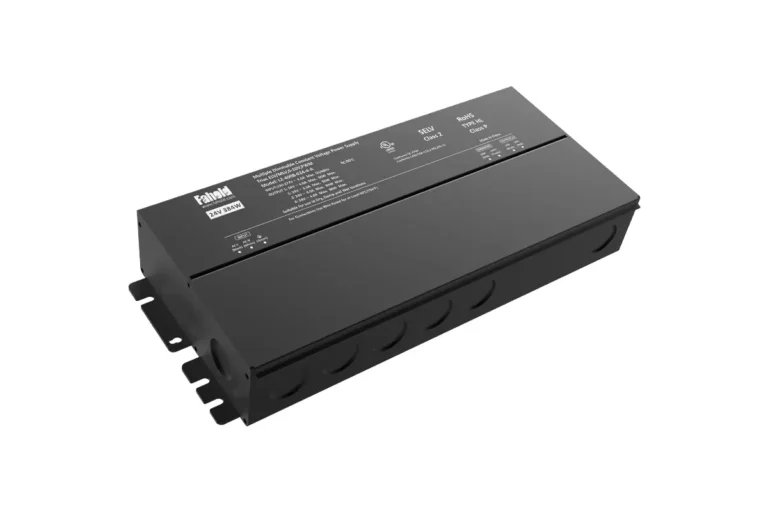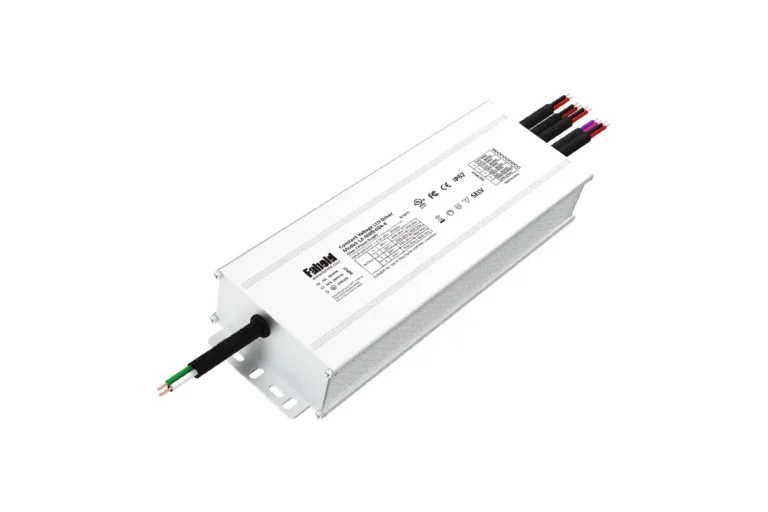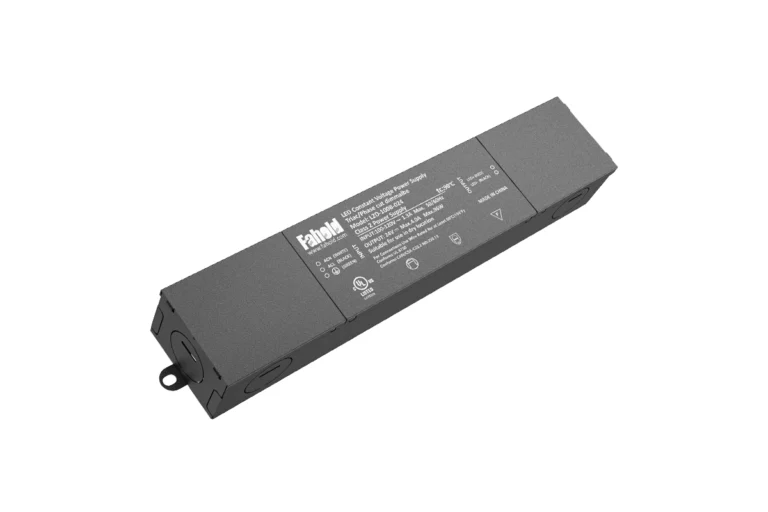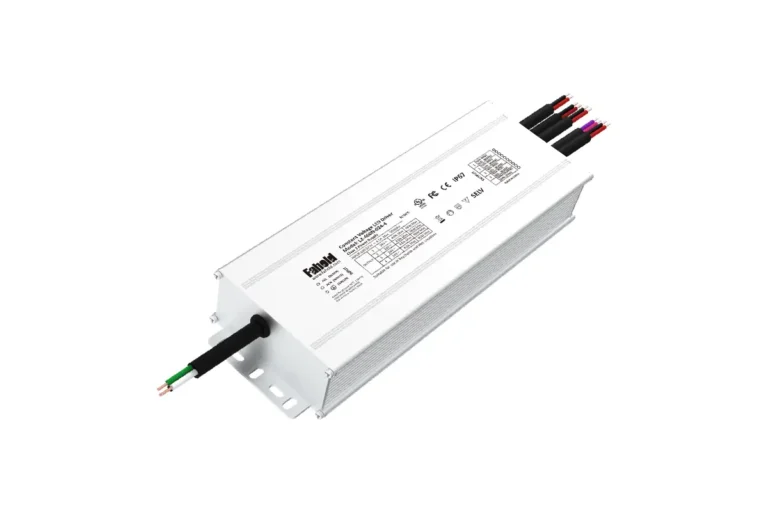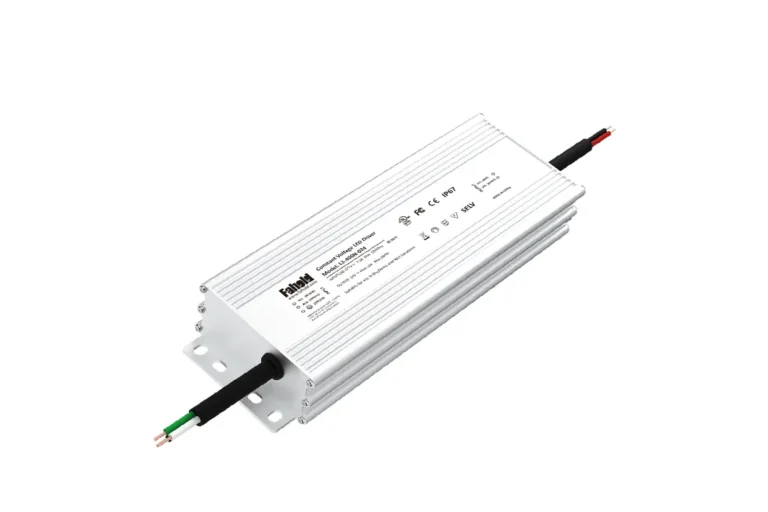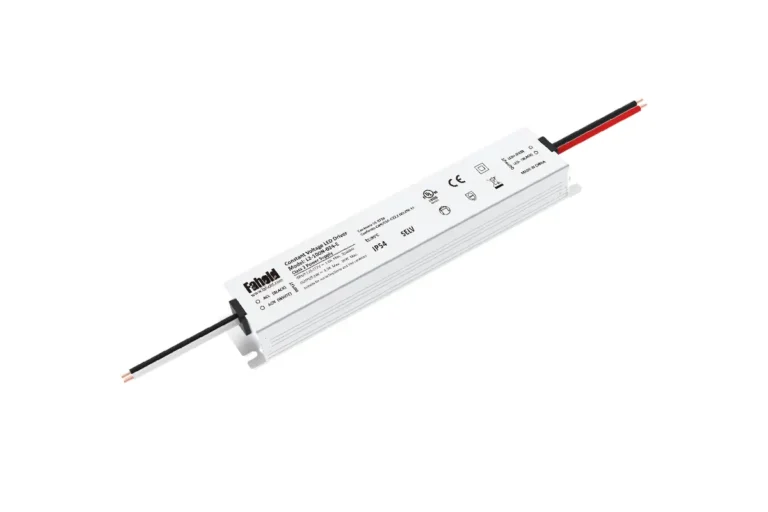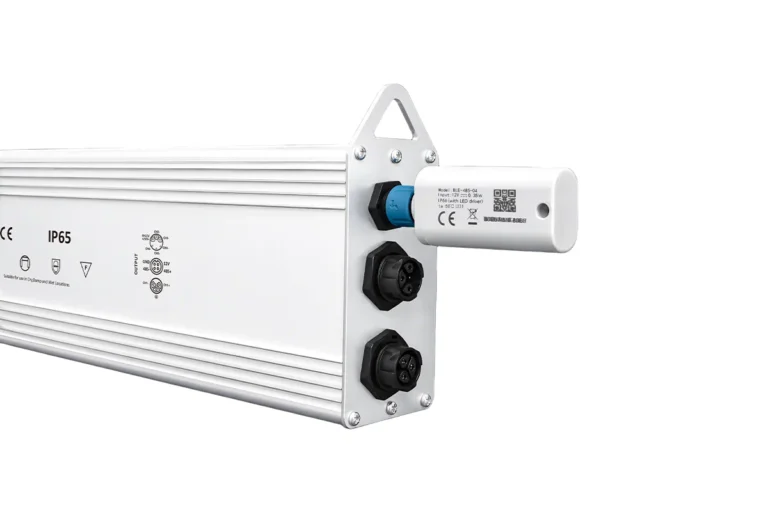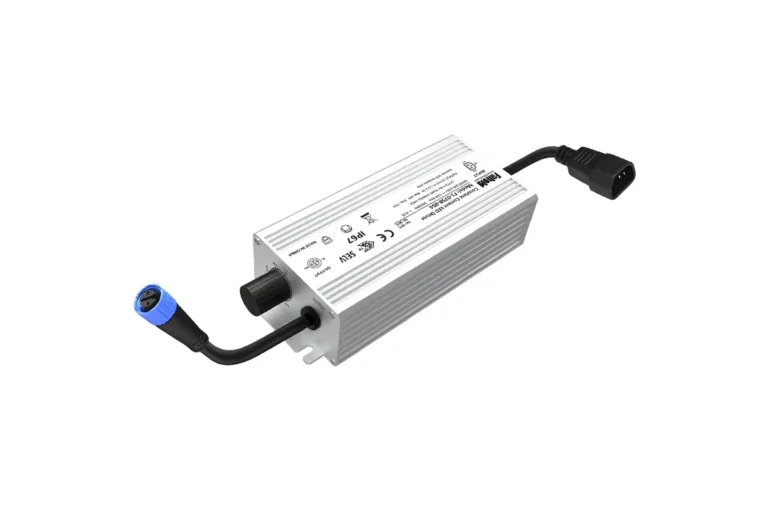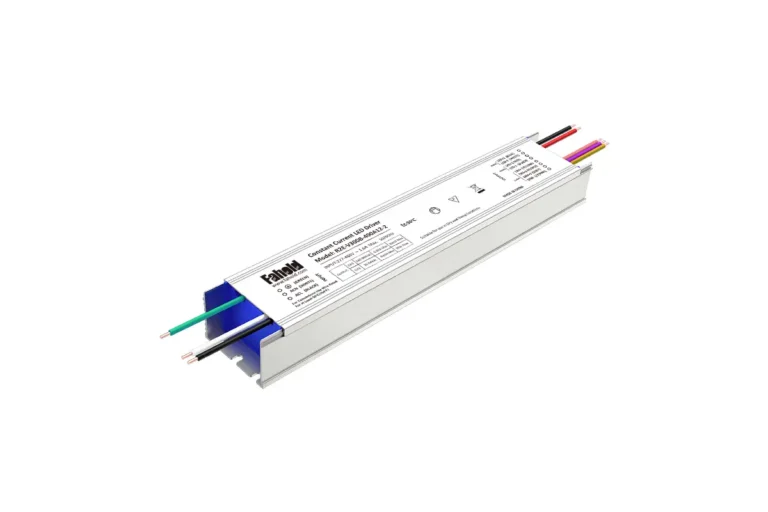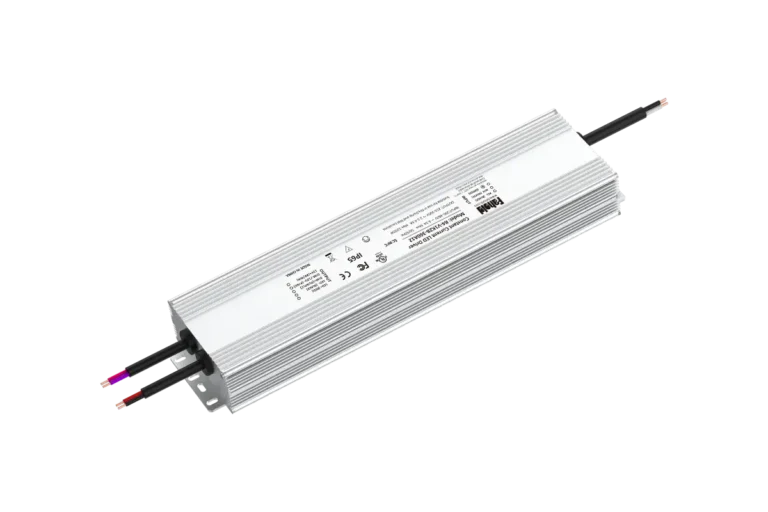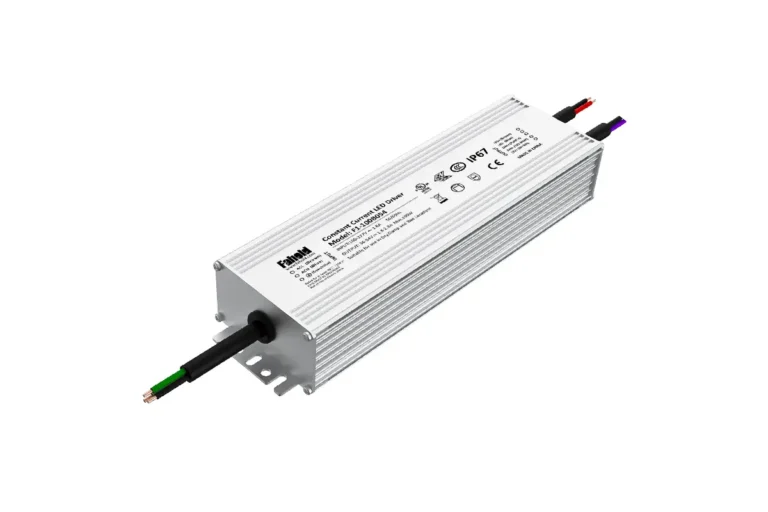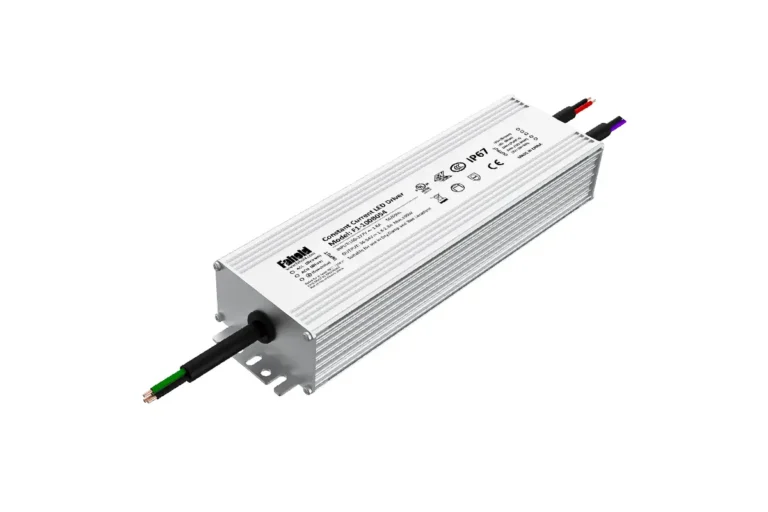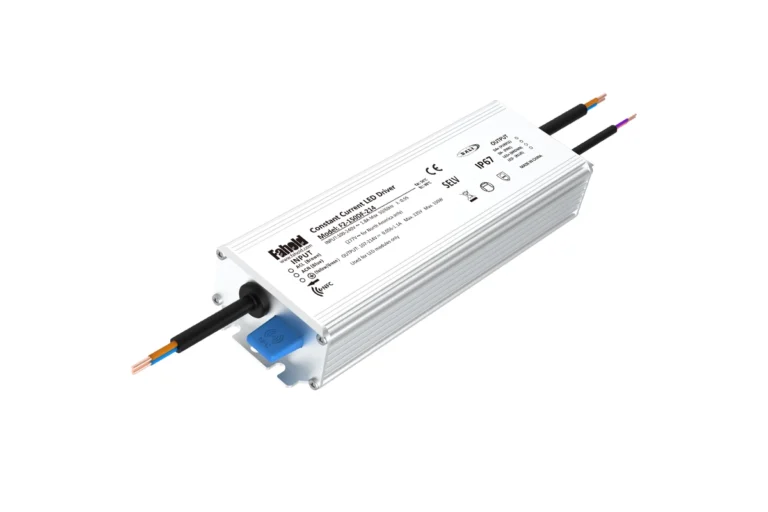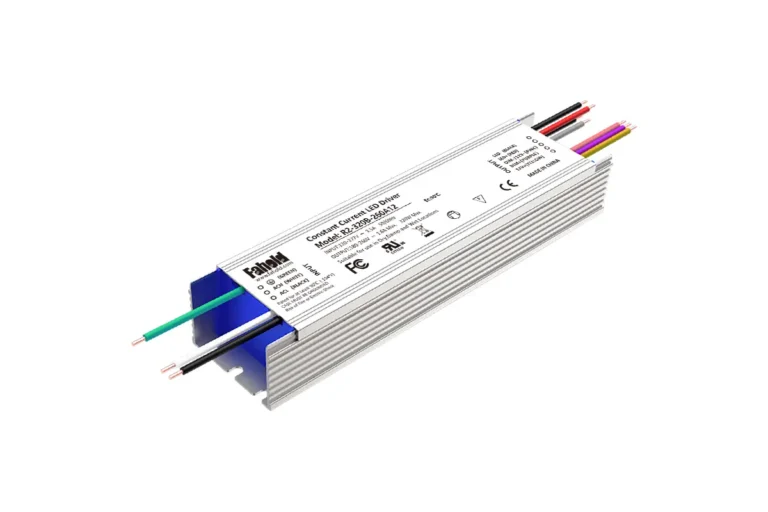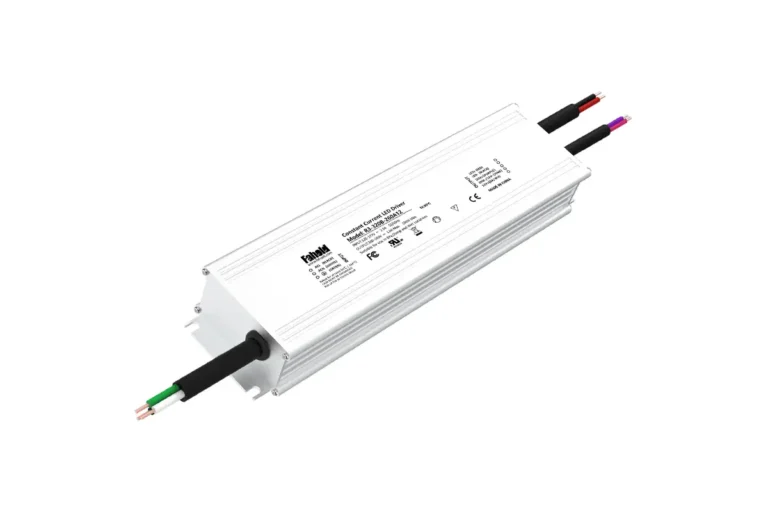
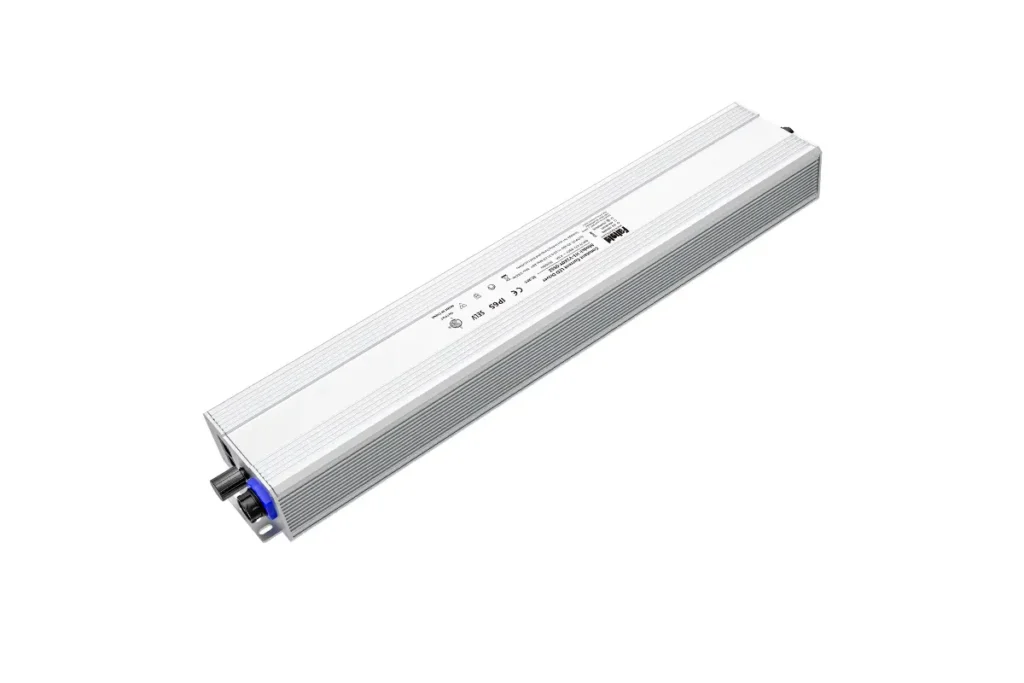
H1-V Multi-Channel Grow Light Drivers (200-480Vac)
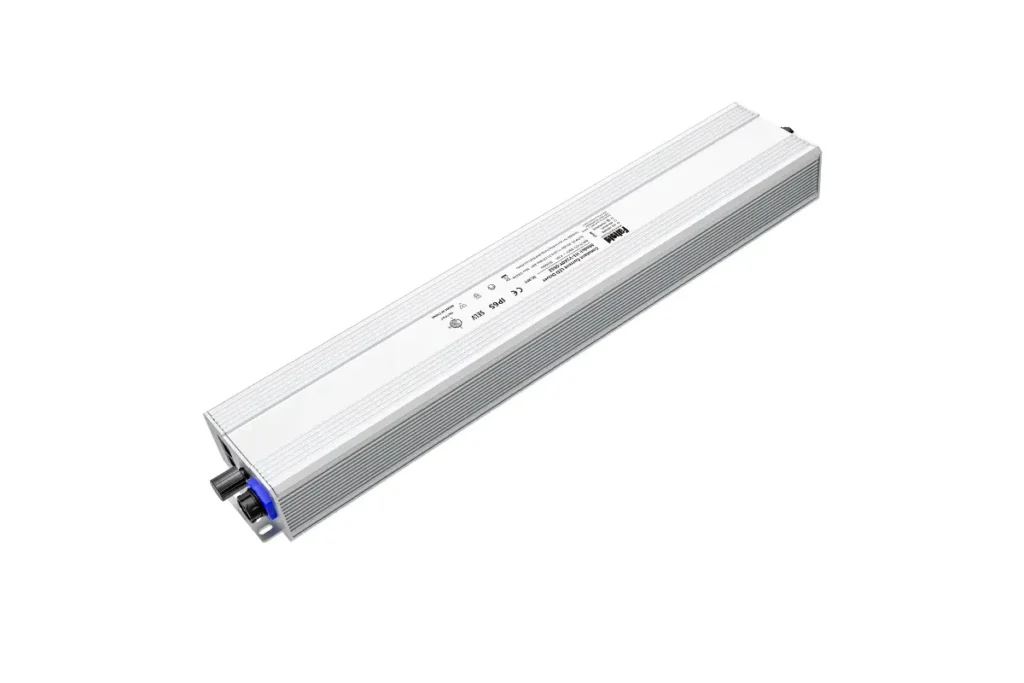
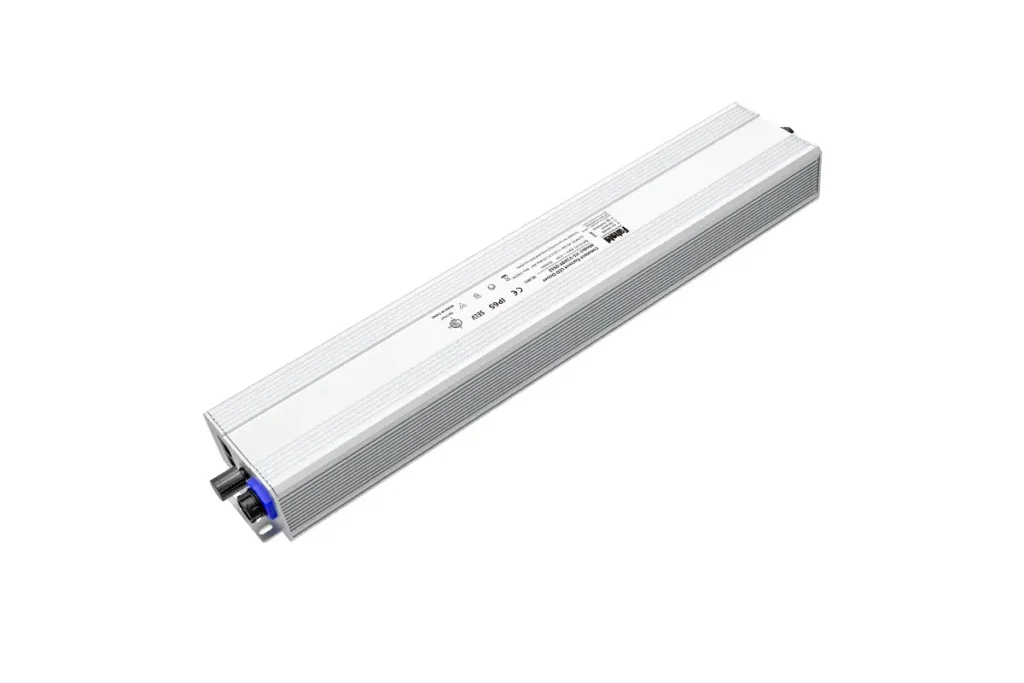
FAHOLD H1-V high-voltage horticulture LED drivers are designed for commercial greenhouse, top-light and high-power grow-light fixtures operating from 200–480Vac electrical systems. The series combines isolated architecture, programmable output and flexible dimming for projects using 277V, 347V and 480V-class facility power.
Available models cover 600W, 700W, 800W, 1000W and 1200W with three primary LED output-voltage platforms: 42–56V, 84–149V and 171–343V. Depending on configuration, H1-V supports 0–10V, PWM and resistor control, Dim-to-Off, IP65 protection and optional fixture-control interfaces.
Compare the models below by wattage, LED voltage window, output current and fixture requirements. FAHOLD also supports electrical matching, offline programming, datasheets, samples and OEM/ODM grow-light projects.
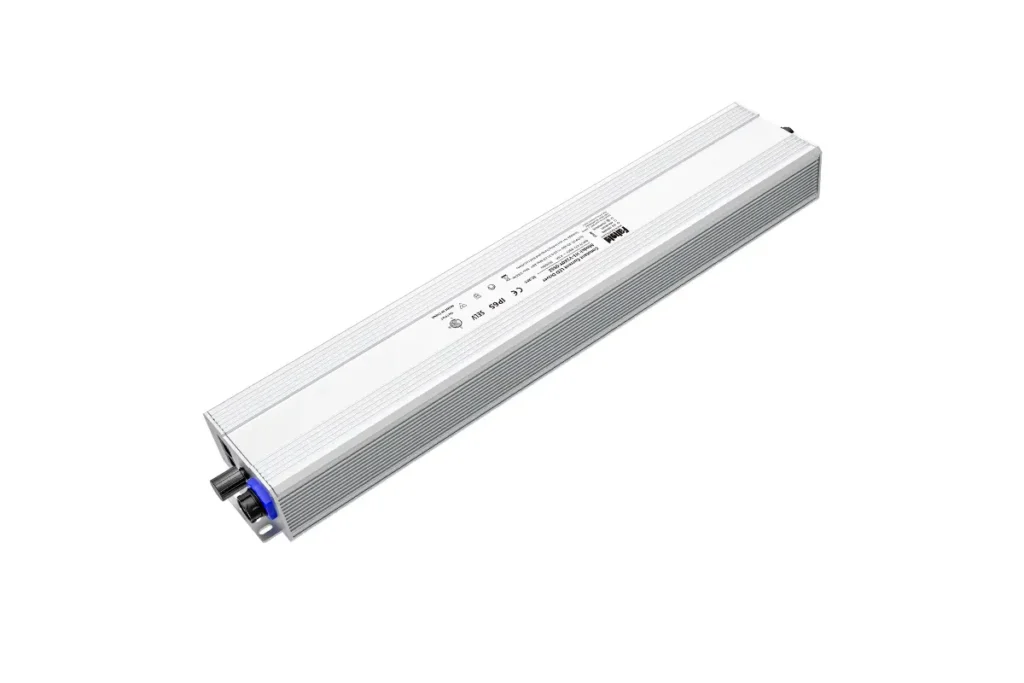
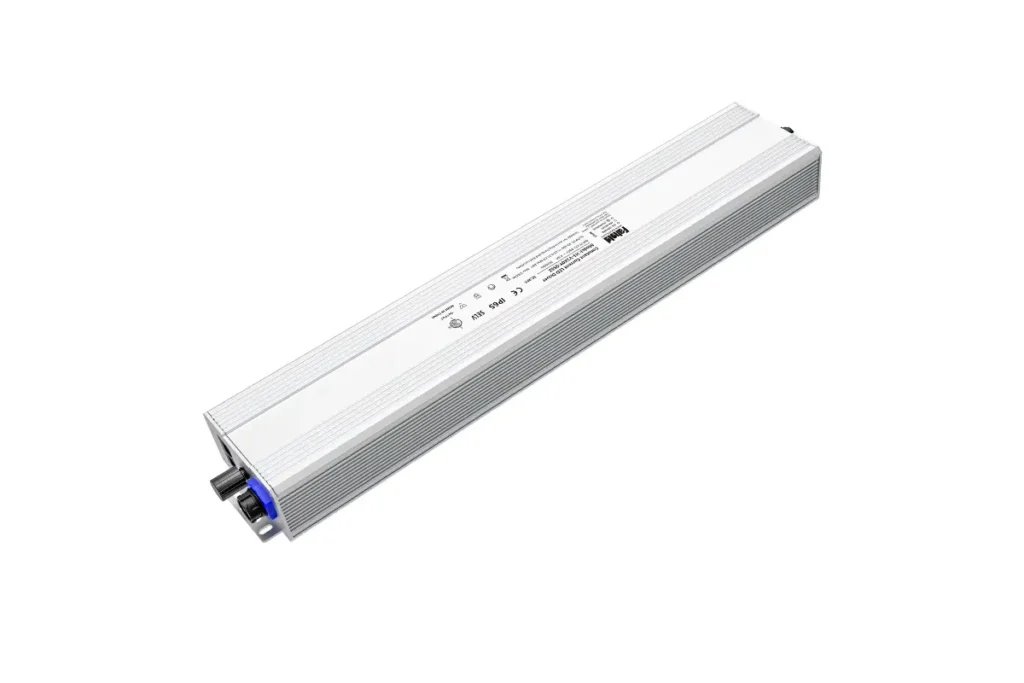
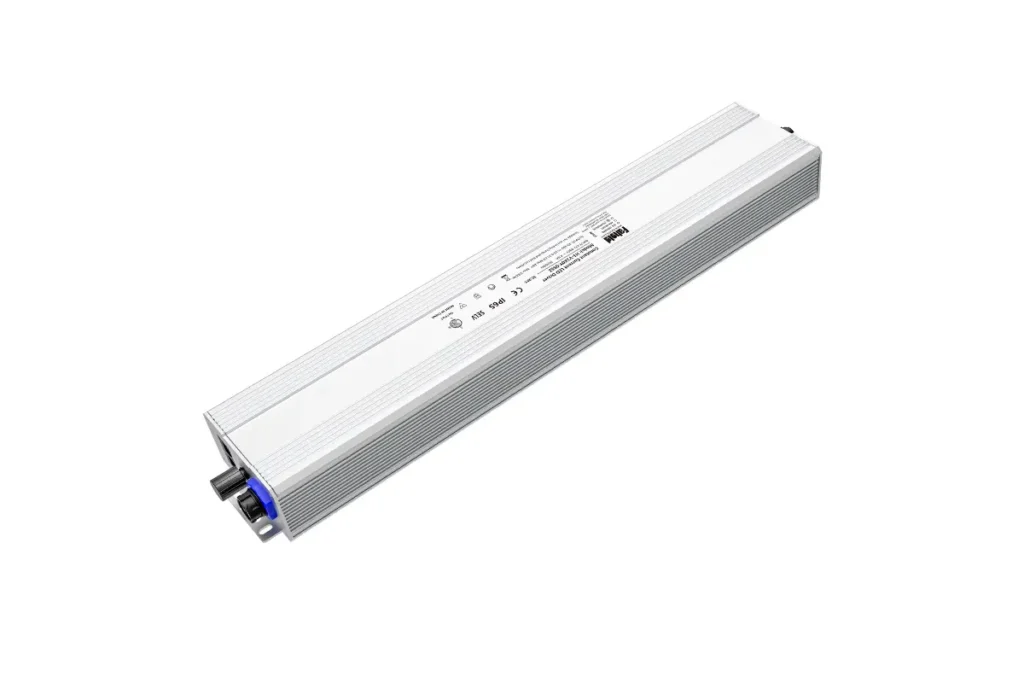
Page 2 of 2
H1-V 200–480V Horticulture LED Drivers for High-Power Grow Lights
FAHOLD H1-V is a high-voltage isolated horticulture LED driver platform developed for commercial grow lights, greenhouse top lights and other high-power LED fixtures operating from industrial AC distribution. The series uses a 200–480Vac rated input platform and provides programmable constant-current output for professional lighting systems requiring several hundred watts to more than 1kW of LED power.
H1-V is particularly relevant to North American commercial facilities using 277V, 347V or 480V-class electrical infrastructure. Rather than selecting a model only by total wattage, fixture manufacturers should match the driver to the LED-board voltage window, required output current, programmed power level, dimming method and facility input voltage.
200–480Vac Input for 277V, 347V and 480V Grow-Light Systems
High-power horticulture facilities often use higher AC distribution voltages to reduce current on large lighting circuits. H1-V uses a wide 200–480Vac rated input range that covers common industrial and commercial lighting voltages within the supported product specification.
| Facility Voltage | Typical Application | Selection Focus |
|---|---|---|
| 277Vac | Commercial indoor grow rooms and greenhouse lighting systems | Confirm fixture power, LED output voltage and branch-circuit requirements. |
| 347Vac | Canadian commercial and high-voltage lighting infrastructure | Use a driver explicitly rated for the facility supply and fixture architecture. |
| 480Vac | Large greenhouses and industrial horticulture facilities | Verify high-voltage input, surge requirements, grounding and complete fixture compliance. |
A 100–277Vac grow-light driver should not be connected to a 347V or 480V circuit unless the individual product is specifically rated for that voltage. Facility input should therefore be confirmed before LED output parameters are matched.
H1-V Power Options from 600W to 1200W
The H1-V family includes 600W, 700W, 800W, 1000W and 1200W power classes. This range supports commercial horticulture fixtures from medium-high-power grow lights through very high-output greenhouse top-light systems.
| Power Class | Typical Fixture Direction | Selection Priority |
|---|---|---|
| 600W | Commercial grow lights and medium-high-power horticulture fixtures | LED voltage window, output current and control architecture |
| 700W | High-output indoor-grow and greenhouse luminaires | Fixture efficiency, current requirement and thermal design |
| 800W | High-power top lights and commercial cultivation fixtures | LED-board matching, programmable output and dimming control |
| 1000W | Very high-output greenhouse and professional grow-light systems | Facility voltage, output platform and thermal management |
| 1200W | High-intensity greenhouse top lights and specialized horticulture luminaires | Output current, fixture cooling, control and compliance requirements |
The driver should be selected from the actual maximum LED electrical load rather than the marketing wattage of the luminaire alone. The programmed output must remain inside the voltage, current, thermal and maximum-power limits of the selected H1-V model.
Choose the Correct H1-V Output-Voltage Platform
H1-V models are organized around three main LED output-voltage ranges. These options allow fixture manufacturers to match the driver to different LED-string architectures without forcing every grow-light design onto the same voltage platform.
| Output Voltage Range | Typical Electrical Architecture | Selection Consideration |
|---|---|---|
| 42–56V | Lower-voltage, higher-current LED-board designs | Requires comparatively higher current as fixture power increases. |
| 84–149V | Medium-voltage LED-string configurations | Balances output voltage and current for many high-power grow-light designs. |
| 171–343V | High-voltage LED-string architectures | Supports high fixture power with lower current but requires a compatible LED-board safety design. |
The correct platform should be selected from the LED board's minimum, nominal and maximum forward voltage. The complete LED operating range must remain within the supported output window across temperature, dimming and production tolerances.
600W H1-V Grow Light Driver Options
The 600W H1-V platform is available across 42–56V, 84–149V and 171–343V output families. This allows the same general high-voltage input platform to support different LED-board electrical designs.
Current models include output-current ranges up to approximately 12A on the lower-voltage platform and lower current ranges on the higher-voltage variants. Model selection should therefore be based on both voltage and current rather than wattage alone.
700W and 800W High-Voltage Horticulture LED Drivers
The 700W and 800W H1-V models are suitable for higher-output commercial grow-light systems where programmable constant-current operation and high-voltage AC input are required.
The 800W models reach typical efficiencies of approximately 96% depending on operating point, helping reduce electrical losses and driver-generated heat in fixtures that may operate for many hours per day.
1000W and 1200W Grow Light LED Drivers
For very high-output horticulture luminaires, H1-V provides 1000W and 1200W platforms across all three output-voltage families. These products are relevant to commercial greenhouse and high-intensity top-light designs where large LED loads are supplied from 277V, 347V or 480V-class infrastructure.
At these power levels, the driver should be evaluated as part of the complete luminaire system. Cable sizing, connector current, thermal management, LED-board distribution, enclosure temperature and control architecture become increasingly important as total fixture power rises.
Isolated Architecture for High-Voltage Grow Lights
H1-V uses an isolated power architecture that provides electrical separation between the AC input and LED output sides. This can simplify the safety strategy of high-power horticulture fixtures where LED boards, controls, connectors and accessible luminaire components must be integrated into a certified system.
Isolation does not remove the need for complete fixture-level safety design. Grounding, LED-board voltage, enclosure construction, wiring, connector selection and target-market certification must still be evaluated as part of the finished luminaire.
Programmable Horticulture LED Driver Output
H1-V supports offline programmable output on compatible configurations. Programmability allows the driver operating point to be configured within its supported electrical range to match different LED boards, fixture wattages or product variants.
This can help OEM grow-light manufacturers reduce the number of unique power platforms used across a fixture family. A common H1-V hardware platform may be configured for different output-current or power targets when those operating points remain within the model's permitted electrical limits.
Programming requirements should be defined during product development so production settings, current limits and fixture labels remain consistent across the final SKU structure.
0–10V, PWM and Rx Dimming for Commercial Grow Lights
H1-V supports 3-in-1 control using 0–10V, PWM and resistor-based input on compatible dimmable configurations. These interfaces are widely used in commercial horticulture systems where lighting output must respond to crop stage, daylight availability, energy strategy or centralized facility control.
| Control Method | Typical Application | What to Confirm |
|---|---|---|
| 0–10V | Greenhouse controllers and commercial lighting-control systems | Control voltage range, wiring and controller compatibility |
| PWM | Fixture controllers and automation systems using pulse-width signals | Signal level, frequency and driver compatibility |
| Rx / Resistor | External resistance-based output control | Supported resistance range and interface requirements |
The control protocol should be verified as a complete system. Matching the words “0–10V” or “PWM” alone is not sufficient if the controller signal, wiring or operating range differs from the driver requirement.
Dim-to-Off for Greenhouse Lighting Schedules
Controlled-environment agriculture can require complete darkness during scheduled plant-growth periods. Residual LED output after the control signal reaches its minimum value may create visible afterglow when the fixture is expected to be fully off.
H1-V supports Dim-to-Off operation on compatible dimmable configurations, allowing the LED output to shut down at the lower control threshold. This function should be specified when a true off state is required from the lighting-control system.
Optional 12V AUX, RJ12, Knob and M19 Interfaces
OEM horticulture fixtures can require additional interfaces for local control, fixture electronics and field installation. H1-V provides several optional configurations depending on project requirements.
- 12V auxiliary output: supports compatible fixture-control electronics and accessories.
- RJ12 interface: available for selected fixture-control and connection architectures.
- Dimming knob: provides local manual output adjustment on compatible configurations.
- M19 waterproof connector: supports project-specific environmental and connection requirements.
These features are optional rather than universal. Specify the required interface when requesting samples or quotations so the correct configuration is selected.
Up to 96% Typical Efficiency for High-Power Grow Lighting
Driver efficiency is important in commercial horticulture because grow-light fixtures may operate for long daily cycles. Electrical losses are converted into heat, increasing both facility energy use and the thermal load around the luminaire.
H1-V models reach typical efficiency values of approximately 95% to 96% depending on model and operating point, with typical power factor above 0.95 across the current technical table.
Efficiency should still be evaluated at the expected fixture operating point because input voltage, LED voltage, output current and ambient temperature can affect real system performance.
IP65 Horticulture LED Drivers for Greenhouse Fixtures
H1-V uses an IP65 enclosure platform designed for professional horticulture and other high-power lighting applications. This provides protection against dust and moisture under the rated enclosure conditions and is relevant to greenhouse installations where humidity, dust and routine maintenance must be considered.
IP65 applies to the driver enclosure itself. The finished luminaire must also use suitable connectors, cable seals, fixture housings, mounting orientation and thermal design for the actual greenhouse environment.
Surge Protection for 277V, 347V and 480V Lighting Systems
Commercial high-voltage lighting installations can be exposed to switching events and electrical transients. The H1-V platform provides differential-mode surge protection up to 6kV and common-mode protection up to 10kV, together with short-circuit, over-voltage and over-temperature protection.
Internal driver protection does not replace facility-level surge protection, grounding or correct branch-circuit design. These requirements should be considered together in large greenhouse and industrial lighting projects.
H1-V Applications in Commercial Horticulture
Greenhouse Top Lighting
H1-V is particularly relevant to greenhouse top-light fixtures using 277V, 347V or 480V facility distribution. High input voltage, programmable output and centralized dimming support professional lighting systems deployed across large cultivation areas.
High-Power Indoor Grow Lights
Indoor grow-room luminaires requiring 600W to 1200W of LED power can use H1-V where the facility electrical supply and LED-board architecture match the selected model. Output programming allows fixture manufacturers to tune compatible products to different operating points.
High-Voltage LED-String Architectures
The 171–343V H1-V platform supports high-voltage LED-board configurations that reduce output current at high fixture power. These systems must be designed with appropriate electrical insulation, connectors, PCB spacing and luminaire safety measures.
How to Select the Right H1-V Grow Light Driver
- Confirm the facility AC supply.
Verify that the project supply falls within the 200–480Vac rated-input range. - Define the LED forward-voltage window.
Record the minimum, nominal and maximum voltage of the LED load. - Select the correct output platform.
Choose between 42–56V, 84–149V and 171–343V according to the LED-board architecture. - Confirm the required output current.
Check that the complete operating-current range falls within the selected H1-V model specification. - Calculate maximum fixture power.
Select between 600W, 700W, 800W, 1000W and 1200W according to the actual LED electrical load. - Define the dimming interface.
Specify whether the project uses 0–10V, PWM or resistor-based control. - Determine the programmed operating point.
If offline programming is required, define the target current and power settings before production. - Specify optional interfaces.
Confirm whether 12V AUX, RJ12, local knob control or M19 connector configurations are required. - Review environmental and thermal conditions.
Check IP65 suitability, ambient temperature, mounting orientation and fixture heat management. - Confirm compliance requirements.
Verify the applicable safety, EMC and target-market certification for the selected model and finished luminaire.
When Should You Choose the H1-V Series?
Choose H1-V when a high-power horticulture fixture requires an isolated and programmable LED driver with 200–480Vac input, particularly for greenhouse or commercial lighting projects using 277V, 347V or 480V-class distribution.
For a broader comparison of isolated multi-load horticulture platforms, return to
Isolated Multi-Channel Grow Light Drivers
.
For the complete isolated horticulture portfolio, visit
Isolated Horticulture LED Drivers
.
For full technical tables, dimensions, programming information and configuration codes, review the
H1-V 200–480Vac Horticulture LED Driver Series
.
Frequently Asked Questions
What is the FAHOLD H1-V horticulture LED driver?
FAHOLD H1-V is a high-power isolated and programmable horticulture LED driver platform using 200–480Vac input. The series covers 600W to 1200W and is designed for commercial grow-light and greenhouse fixtures operating from high-voltage electrical infrastructure.
Can H1-V LED drivers operate on 347V and 480V power systems?
Yes. H1-V uses a 200–480Vac rated-input platform and can be considered for compatible 277V, 347V and 480V-class commercial horticulture systems. Final selection must also consider the fixture load, project electrical design and applicable certification requirements.
What power ratings are available in the H1-V Series?
Current H1-V models are available in 600W, 700W, 800W, 1000W and 1200W power classes. Each power class is offered across different LED output-voltage platforms so the driver can be matched to different horticulture fixture architectures.
What output-voltage ranges are available for H1-V grow light drivers?
H1-V models use three primary output-voltage platforms: approximately 42–56V, 84–149V and 171–343V. The correct model should be selected from the minimum, nominal and maximum forward voltage of the connected LED load.
Are H1-V horticulture LED drivers programmable?
Compatible H1-V configurations support 0–10V, PWM and resistor-based Rx control. The platform also supports Dim-to-Off operation. The exact wiring and controller requirements should be confirmed for the selected driver configuration.
What is Dim-to-Off on an H1-V grow light driver?
Dim-to-Off allows a compatible H1-V driver to shut the LED output completely off when the control signal reaches its lower threshold. This can help eliminate residual LED glow during cultivation periods that require complete darkness.
Are H1-V grow light drivers suitable for greenhouse environments?
H1-V uses an IP65 enclosure platform for professional horticulture and high-power lighting applications. Final greenhouse suitability also depends on connectors, cable sealing, fixture enclosure, mounting conditions, humidity, ambient temperature and the complete luminaire design.
What optional interfaces are available for H1-V LED drivers?
Depending on configuration, H1-V can provide options including a 12V auxiliary output, RJ12 interface, local dimming knob and M19 waterproof connector. These features are configuration-dependent and should be specified when requesting samples or quotations.
How do I choose between the 42–56V, 84–149V and 171–343V H1-V models?
Select the H1-V output platform from the LED board's actual forward-voltage range. The minimum and maximum LED operating voltage must remain inside the driver's supported output window, and the required current and total power must also fall within the selected model's electrical limits.