LED Power Supplies for LED Strip Lighting
Constant-voltage LED power supplies for architectural LED strips, cove lighting, retail displays, cabinet lighting, outdoor linear lighting and multi-branch Class 2 installations. The portfolio is centered on 12V / 24V systems, with selected 36V / 48V options and constant-voltage LED driver configurations for dimming, Class 2 and outdoor applications.
What Power Supply Do LED Strip Lights Need?
LED strip lights normally require a constant-voltage LED power supply matched to the strip voltage, total load, branch current, dimming method and installation environment. These products are also commonly described as constant-voltage LED drivers. In Fahold's current priority portfolio, 12V and 24V are the core strip-lighting outputs; selected L3 models also provide 36V and 48V options for higher-power single-output systems.
LED Strip Lighting Applications
Find the right LED strip lighting solution based on voltage, dimming method, installation environment, and protection requirements.
Cove & Ceiling Lighting
Broad dimming compatibility for architectural strip and linear lighting.
L2-A Dimmable LED Strip Power Supply Series →Hotel & Hospitality
100-120Vac Class 2 solution for TRIAC, ELV or MLV dimming in concealed strip-lighting installations.
L2D Phase-Cut LED Strip Power Supply Series →Cabinet & Shelf Lighting
Compact non-dimming 12V / 24V LED power supply for narrow cabinets, shelves and millwork.
L2-E Compact LED Strip Power Supply Series →Retail & Display Lighting
Multi-channel Class 2 distribution for shelves, display cases and larger strip systems.
L2 Multi-Channel LED Strip Power Supply Series →Outdoor Linear & Facade Lighting
IP67 waterproof 12V / 24V LED power supply with broad dimming options for exposed strip and linear installations.
L2-F Waterproof LED Strip Power Supply Series →High-Power / High-Current Strip Systems
Single-channel constant-voltage platform for larger loads, including selected 36V / 48V systems.
L3 High-Power Constant Voltage Power Supply Series →Common LED Strip Power Supply Challenges
Power supply loading, voltage drop, branch distribution and dimming compatibility must be reviewed together.
Incorrect Power Supply Sizing
Matching the power supply rating exactly to the LED load leaves no design headroom.
Voltage Drop
Long feeders and strip PCB resistance reduce far-end brightness.
12V vs 24V vs 36V / 48V
Higher system voltage reduces current for the same power, but the LED strip and power supply output voltage must match.
Dimming Compatibility
TRIAC / ELV / MLV, 0–10V, PWM and other controls must match the selected power supply series and load.
Class 2 Distribution
Large projects may need multiple limited-power outputs.
Indoor vs Outdoor
Enclosure type, IP rating, cable exits and actual exposure must match the installation site.
Recommended Power Supplies for LED Strip Lighting
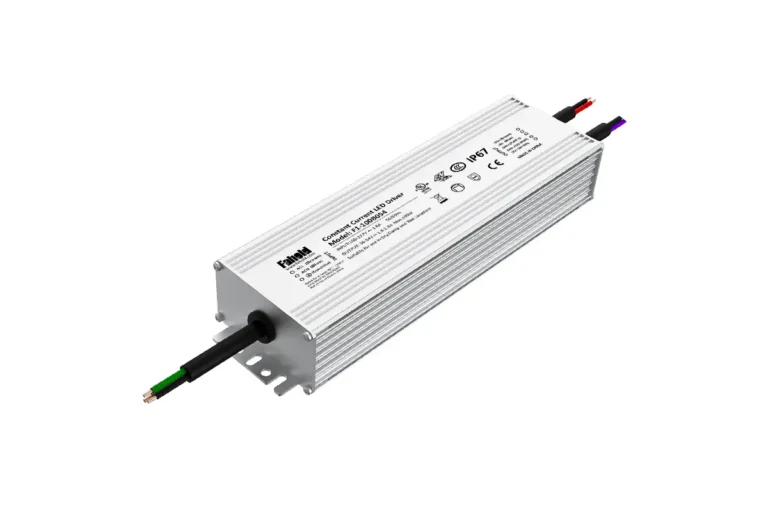
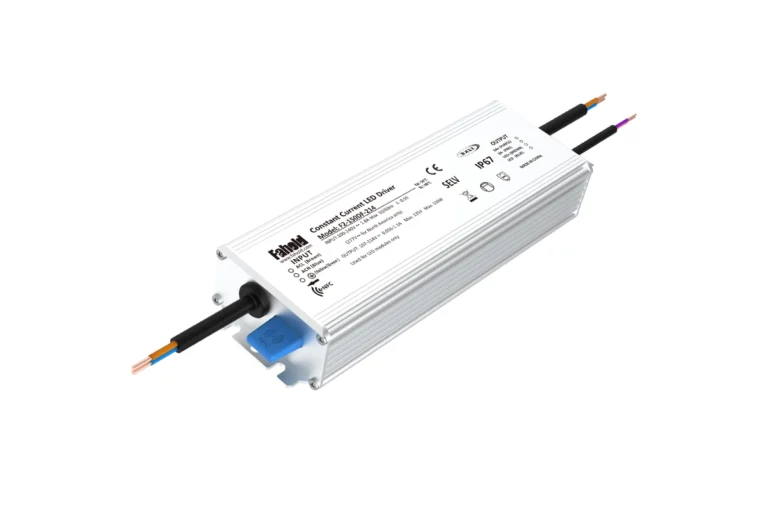
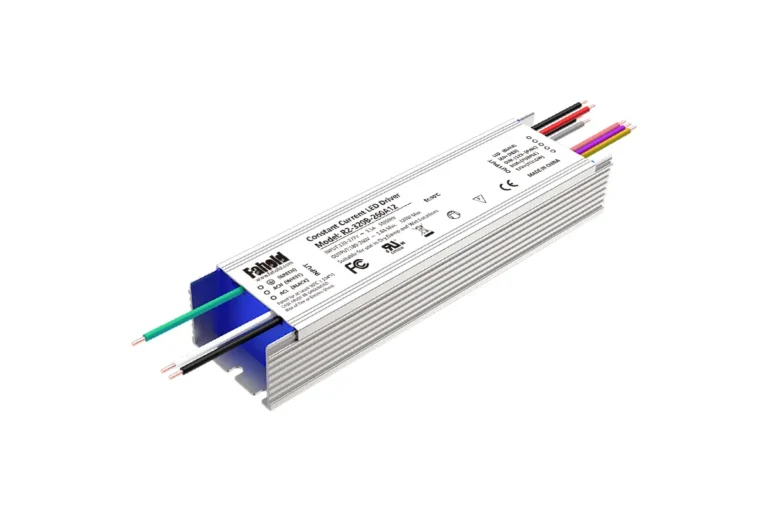
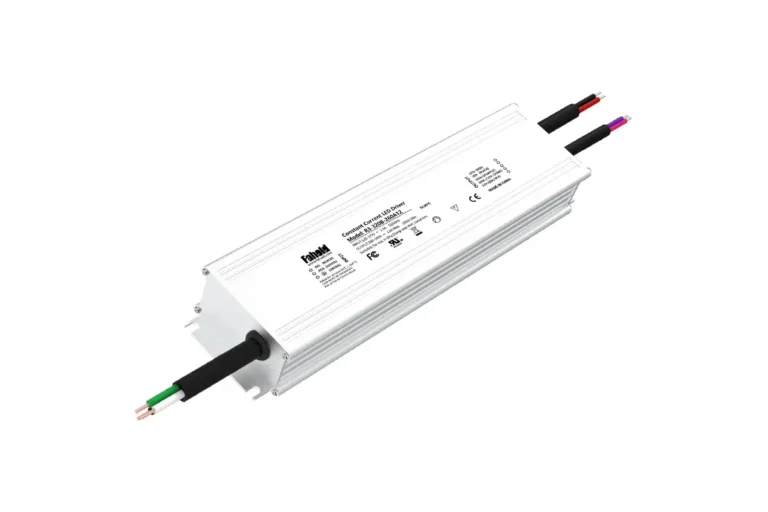
Current priority constant-voltage power supply families for architectural dimming, waterproof LED strips, North American phase-cut projects, multi-channel Class 2 distribution, compact loads and high-power linear-lighting systems.
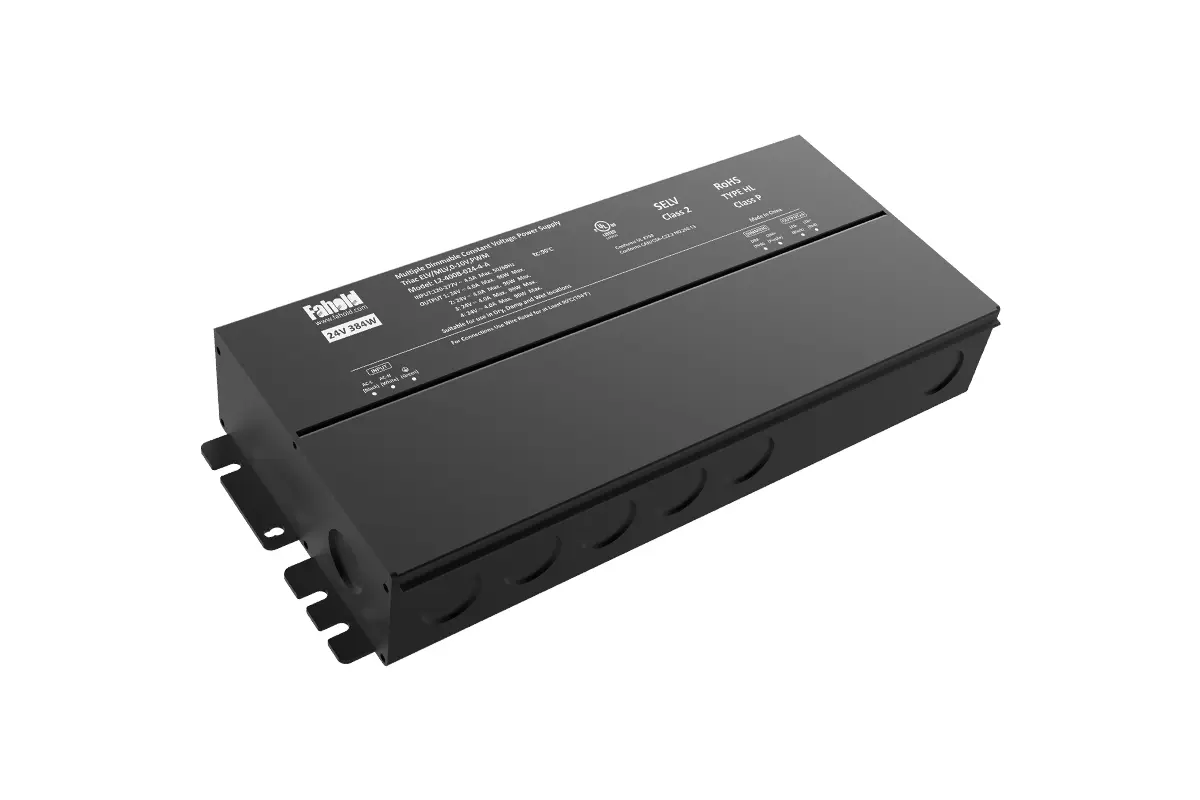
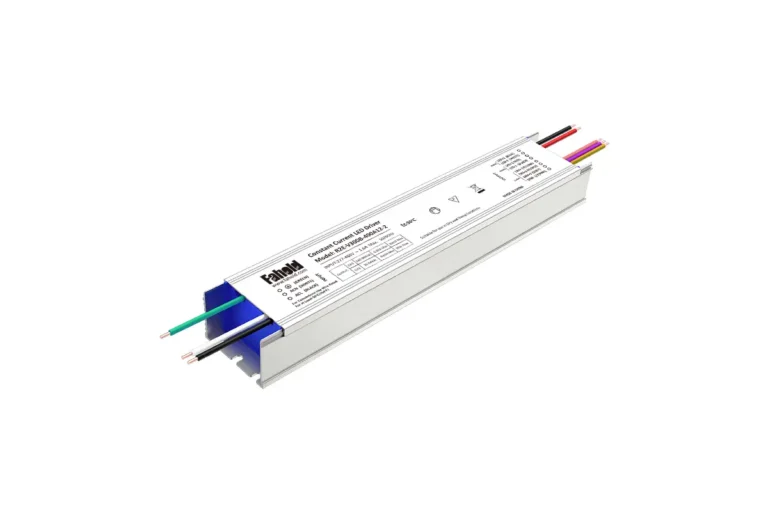
Multi-Dimming Architectural Power Supply
Primary choice for cove, retail, hospitality and linear strip projects requiring broad control compatibility.
- 12V / 24V constant voltage
- 30W-400W model family
- TRIAC / ELV / MLV dimming
- 0-10V / PWM / potentiometer options
- Class 2 LED power supply with enclosure
- Dry, damp and wet-location configurations
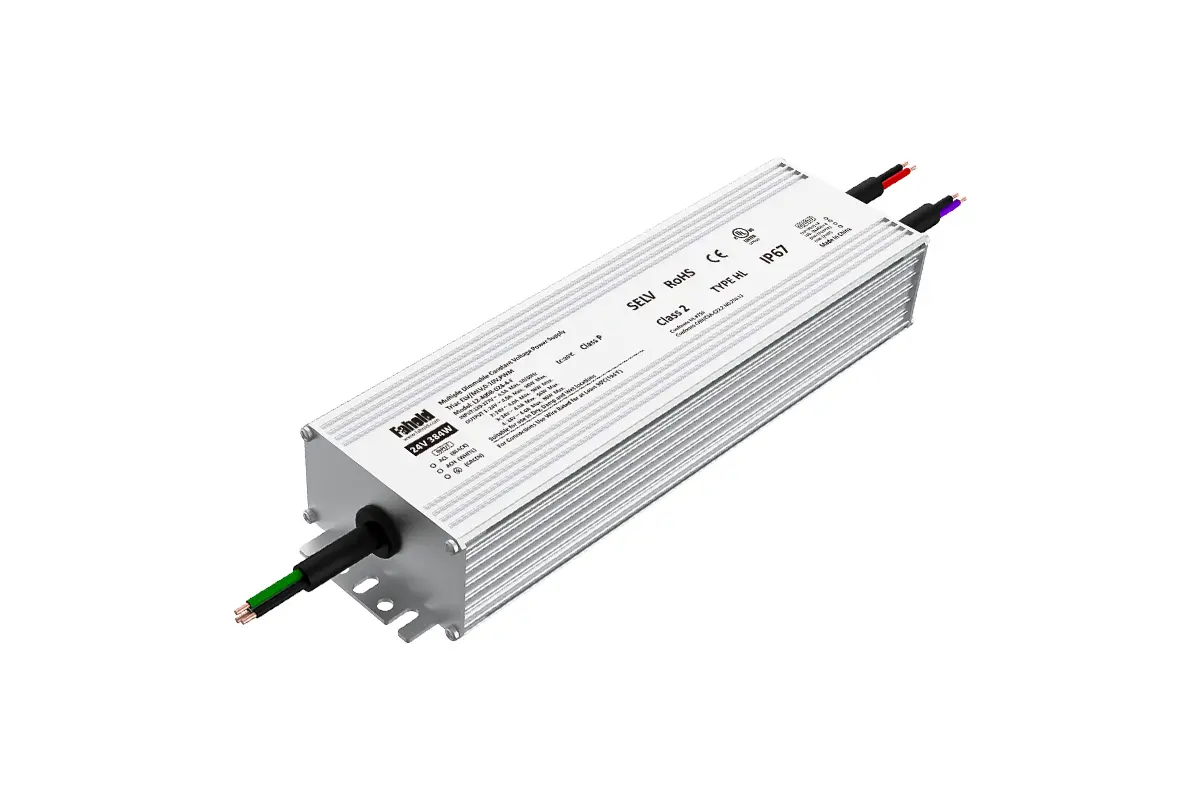
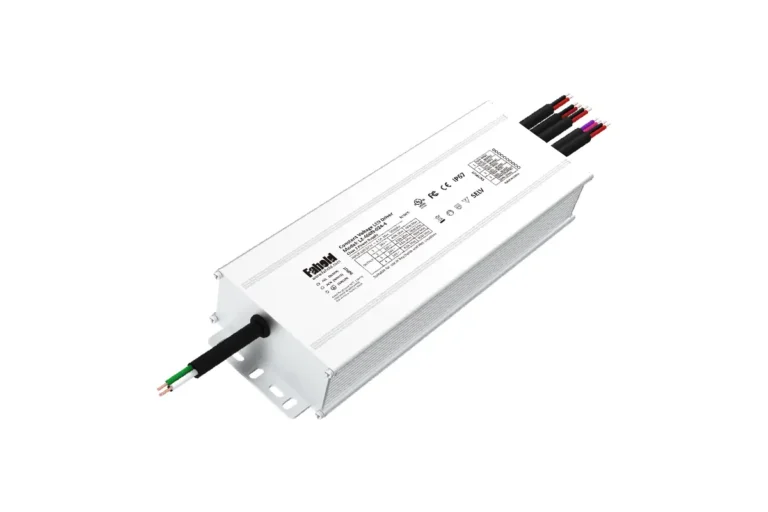
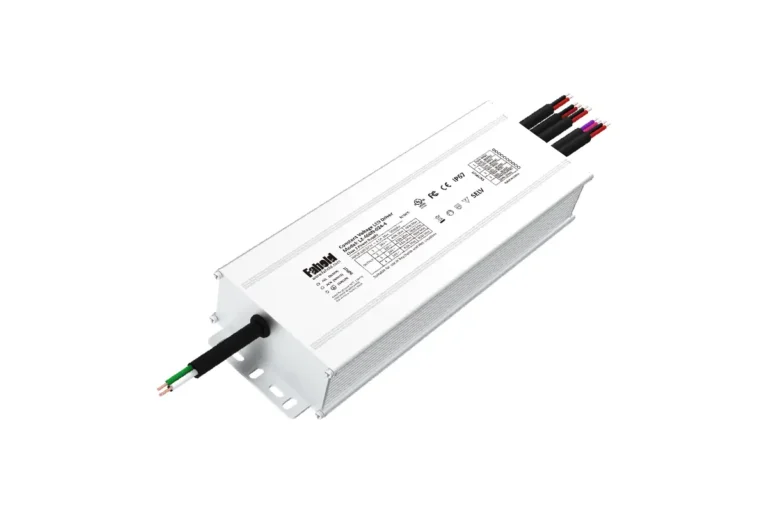
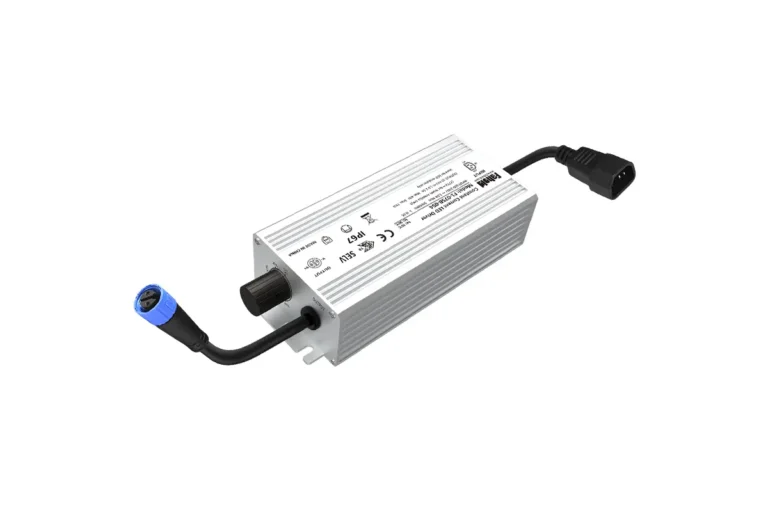
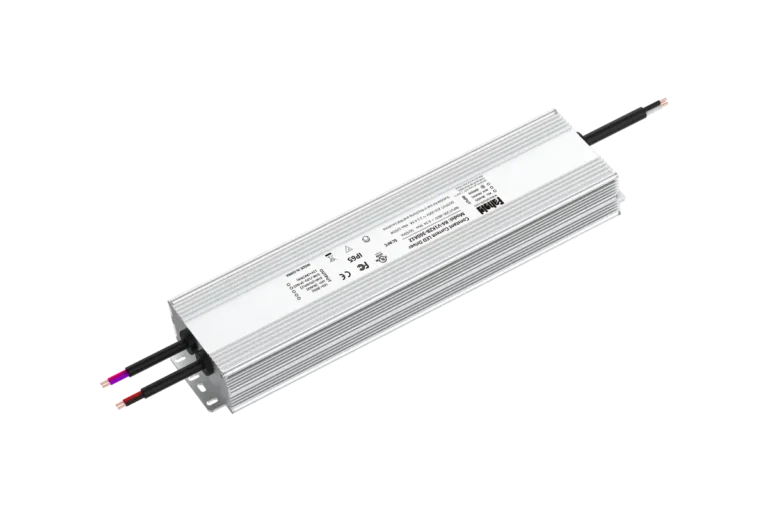
Waterproof Dimmable LED Strip Power Supply
For outdoor linear lighting, facades and wet-location strip installations requiring flexible dimming.
- 12V / 24V constant voltage
- 60W-400W model family
- TRIAC / ELV / MLV dimming
- 0-10V / PWM / potentiometer options
- IP67 waterproof construction
- Suitable for damp and wet locations
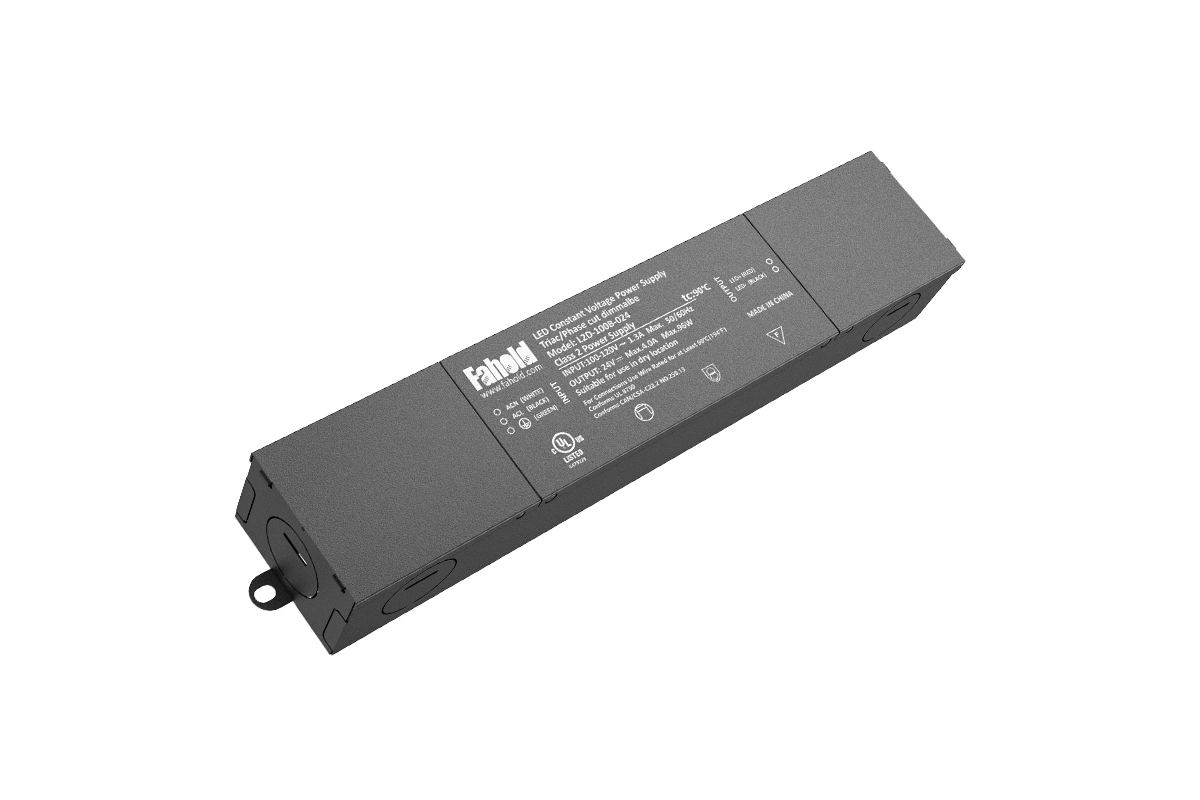
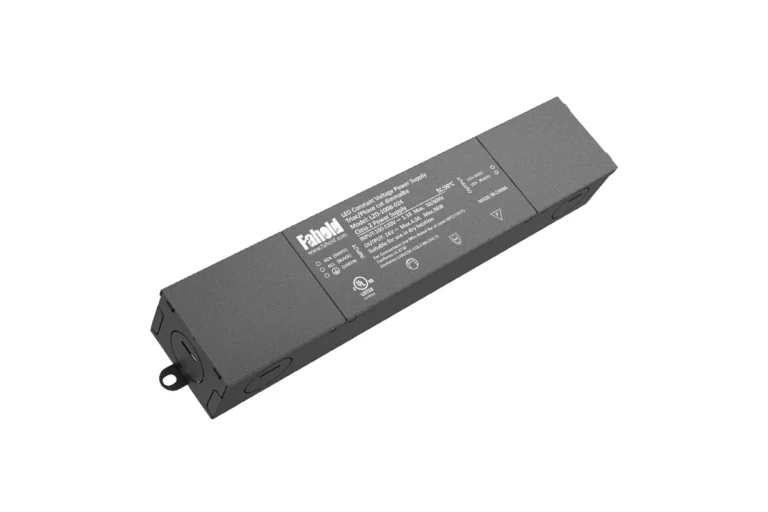
TRIAC / ELV / MLV LED Strip Power Supply
For North American cove, landscape and strip-lighting projects using 100-120Vac phase-cut control.
- 12V / 24V constant voltage
- 60W-100W family
- 100-120Vac input
- TRIAC / ELV / MLV dimming
- UL Class 2 architecture
- Power supply and junction-box integrated design
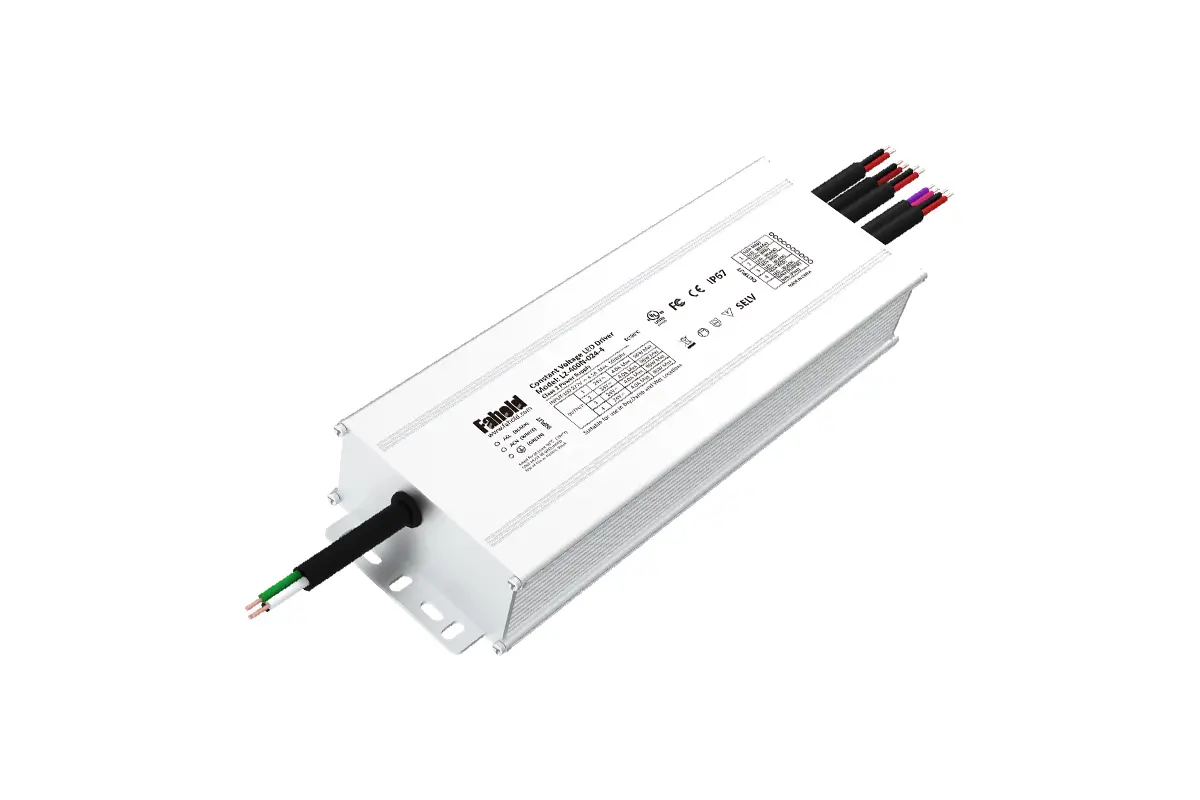
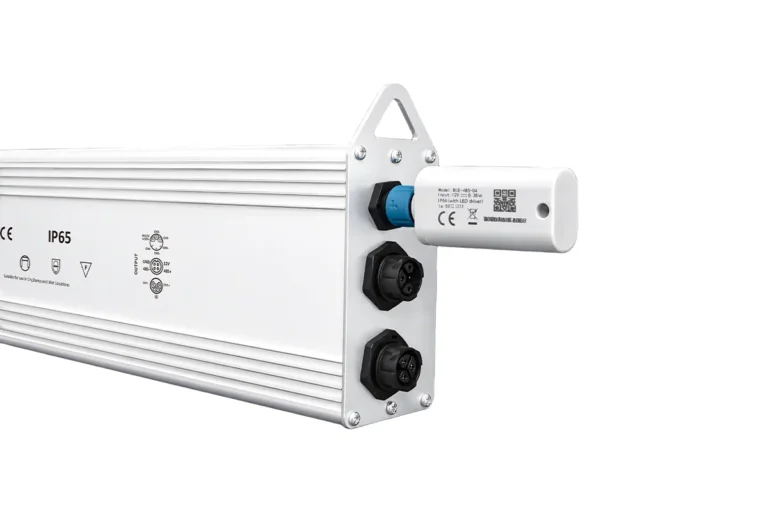
Multi-Channel Class 2 Power Supply
For larger multi-branch LED strip, retail display and linear-lighting systems requiring divided Class 2 outputs.
- 12V / 24V constant voltage
- 60W-400W model family
- 1-5 output channels
- TRIAC / ELV / MLV options
- 0-10V / PWM options
- Class 2 multi-output architecture
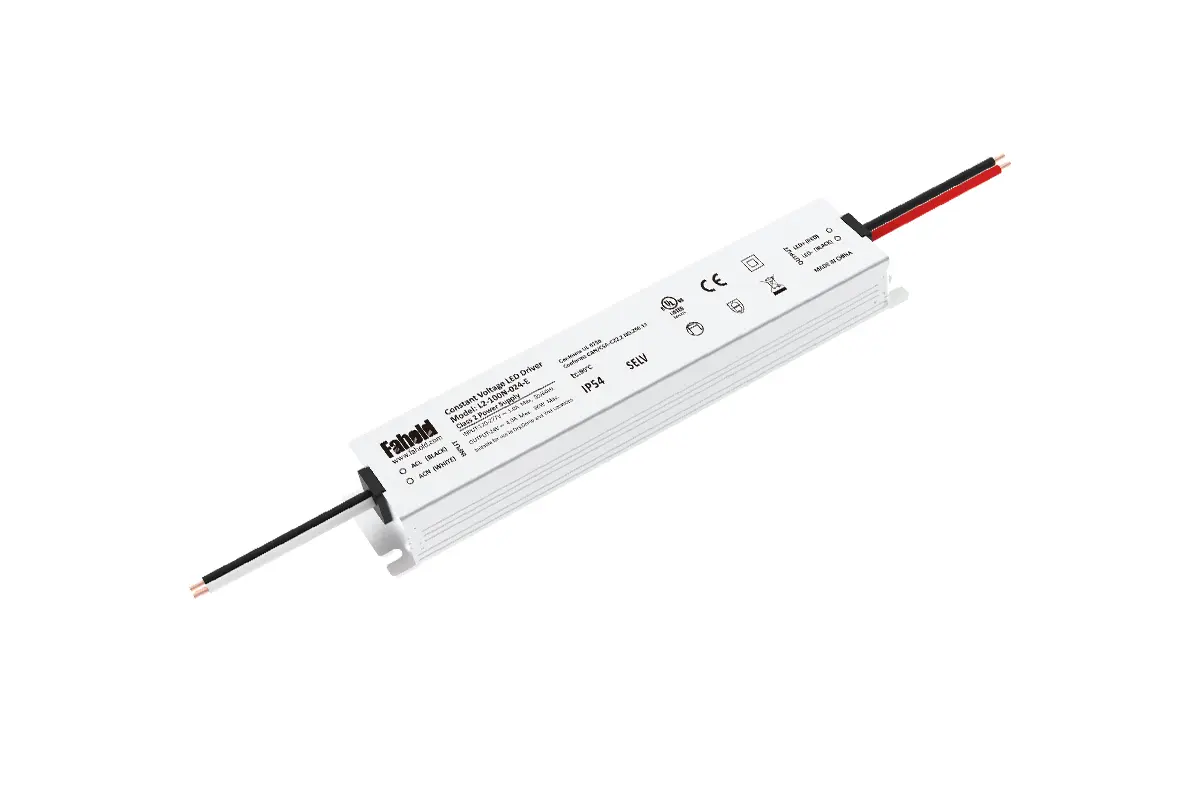
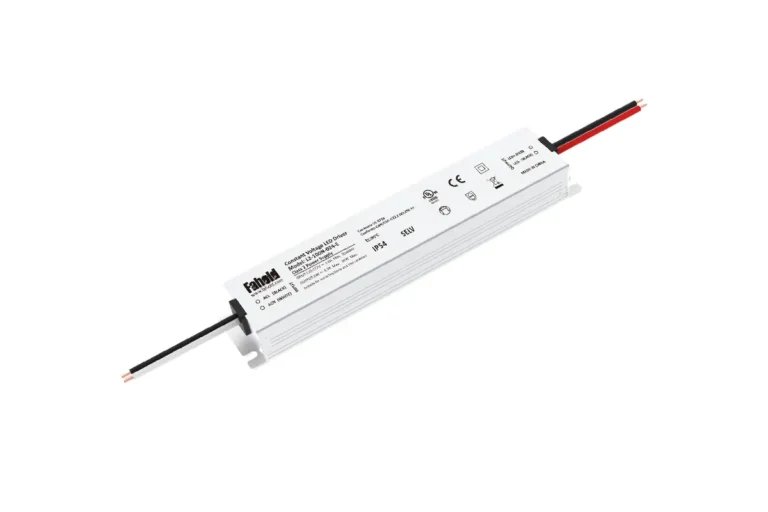
Compact Non-Dimming Power Supply
For cabinets, shelves, millwork and narrow installation spaces where a compact constant-voltage power supply is required.
- 12V / 24V constant voltage
- 20W-150W model family
- Non-dimming architecture
- Slim compact housing
- IP65 / IP67 optional
- Cabinet and shelf applications
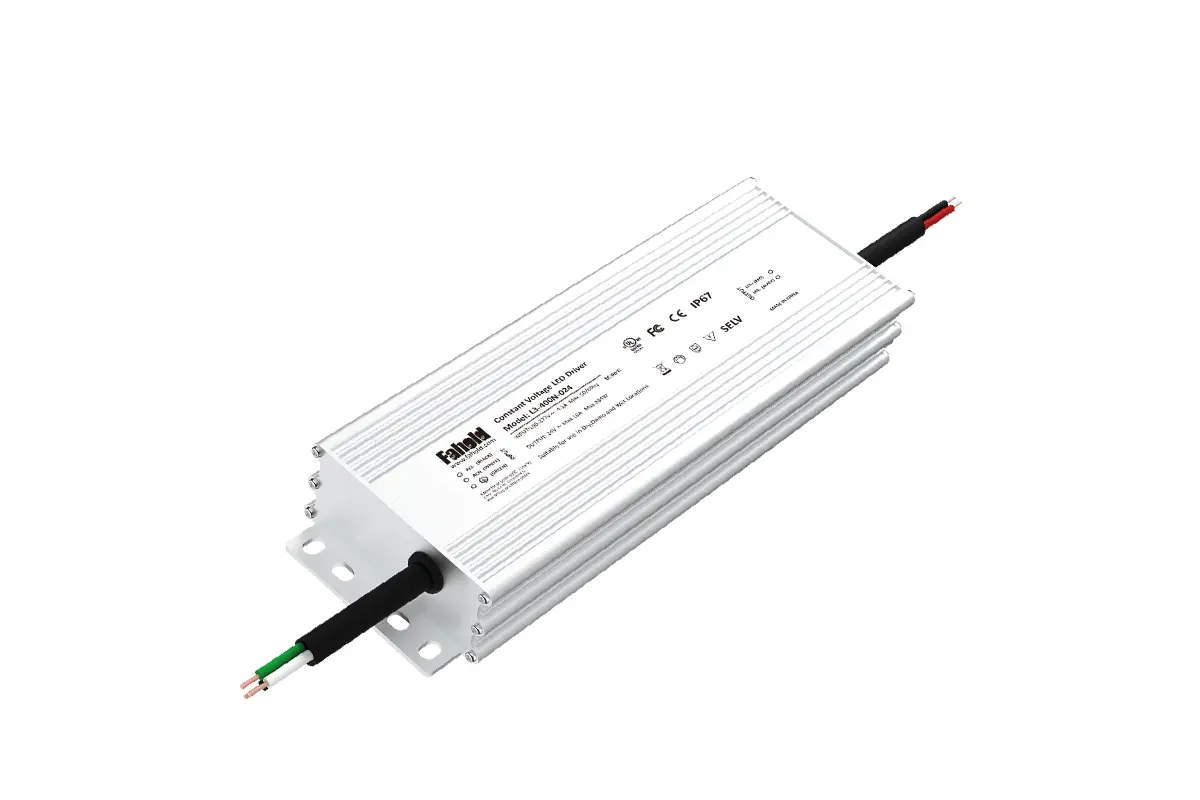
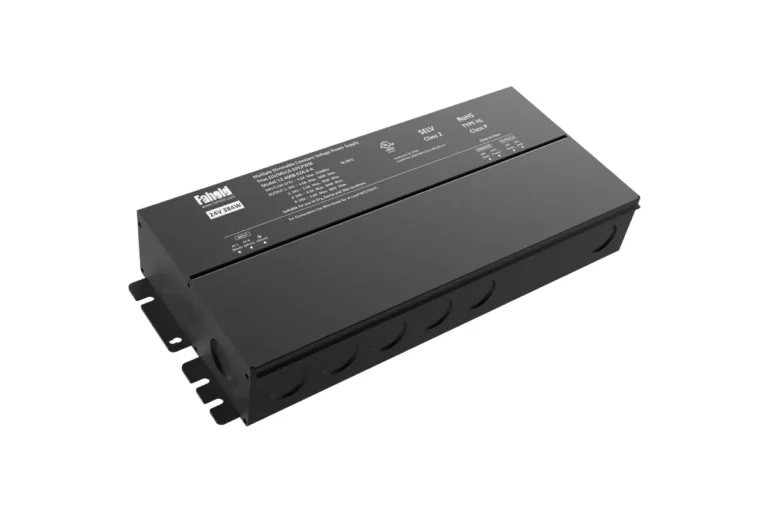
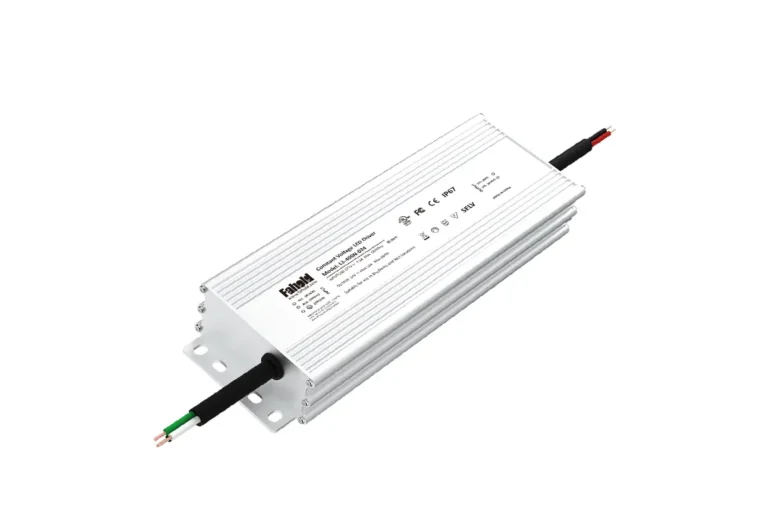
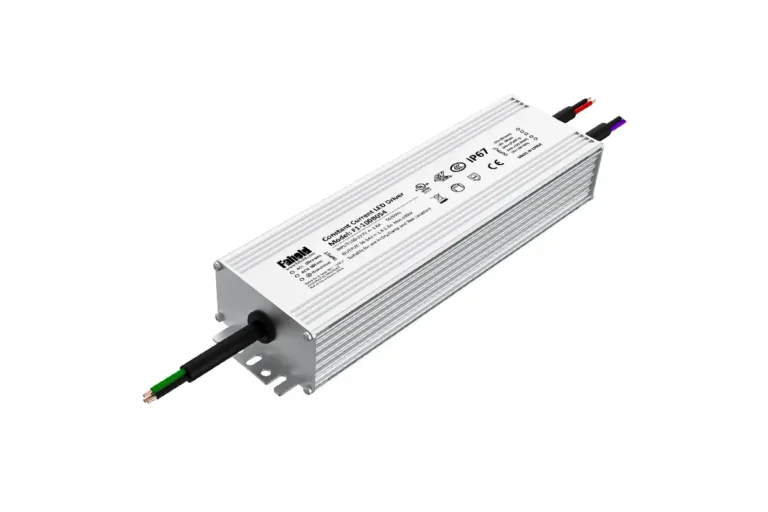
High-Power Constant Voltage Power Supply
For larger constant-voltage loads and high-current linear systems requiring a single isolated high-power output.
- 12V / 24V / 36V / 48V options
- 100W-1200W model family
- Single high-current output
- Non-dimming architecture
- Isolated design
- IP67 / IP68 protection
Application-to-Power-Supply Matrix
Use this as a shortlist only. Final model selection still requires output voltage, load/current, dimming, environment, Class 2 and enclosure review.
| Project Requirement | Output Voltage | Output Structure | Dimming | Best-Match Series |
|---|---|---|---|---|
| Dimmable Cove / Architectural Strip | 12V / 24V | Single / Multi | TRIAC / ELV / MLV / 0-10V / PWM | L2-A Dimmable Power Supply |
| Outdoor / Wet-Location Strip | 12V / 24V | Single / Multi | TRIAC / ELV / MLV / 0-10V / PWM | L2-F Waterproof Power Supply |
| North American Phase-Cut Strip | 12V / 24V | Integrated Enclosure / J-Box | TRIAC / ELV / MLV | L2D Phase-Cut Power Supply |
| Large Multi-Branch Strip System | 12V / 24V | 1-5 Output Channels | TRIAC / ELV / MLV / 0-10V / PWM | L2 Multi-Channel Power Supply |
| Compact Cabinet / Shelf Lighting | 12V / 24V | Compact Single Output | Non-Dimming | L2-E Compact Power Supply |
| High-Power / High-Current Linear Load | 12V / 24V / 36V / 48V* | Single High-Current Output | Non-Dimming | L3 Constant-Voltage Supply |
LED Strip Power Supply Sizing Calculator
Quickly size your LED strip power supply and estimate feeder voltage drop based on your project requirements.
24V Cove Lighting Example
A simple example shows how total power, current and branch loading are derived before product matching.
The arithmetic result is a 300W minimum power supply rating. Final power supply architecture, series and unit quantity must still be verified against output voltage, per-run current, dimming, Class 2, enclosure and voltage-drop requirements.
LED Strip Power Supply & Distribution Architecture
Why Choose Fahold LED Power Supplies for Strip Lighting
Multiple Output Voltages
12V and 24V are the core outputs across the current priority portfolio; selected L3 models add 36V and 48V options.
Flexible Dimming
Depending on series: TRIAC / ELV / MLV, 0–10V, PWM, resistor and potentiometer control options.
Single & Multi-Output
Single high-current or multiple Class 2 branches.
Enclosure & J-Box Options
Enclosed or integrated junction-box configurations are available on selected North American strip-lighting series.
Indoor & Outdoor
Platforms for dry, damp and wet-location installations.
OEM / ODM
Voltage, channels, cables, connectors and housings by project.
Custom LED Strip Power Supply Solutions
Fahold can evaluate constant-voltage LED power supplies around strip voltage, load, branch quantity, dimming, junction-box structure, environment and target market.
Dimming, Thermal and Installation Reliability
Dimming Compatibility
Test dimmer model, low-end stability and flicker.
Output Stability
Verify constant-voltage regulation across the load range.
Voltage-Drop Validation
Review feeder cable, PCB resistance and feed position.
Ingress Protection
Confirm IP rating, cable exits and connectors.
Burn-In & Protection
Review overload, short-circuit and over-temperature behavior.
Market Compliance
Certification must match the installation and region.
Find the Right LED Power Supply for Your Project
Share the core electrical and application requirements. We will narrow the available FAHOLD platforms to the options most relevant to your project.
Frequently Asked Questions
How do I size an LED power supply for LED strip lights?
Multiply watts per meter by total length, then divide by the intended maximum power supply utilization. Also check current, branches, cable drop and the strip manufacturer’s maximum run length.
Should I use 12V, 24V, 36V or 48V strips?
The LED strip and power supply output voltage must match. In Fahold's current priority portfolio, 12V and 24V are the core strip-lighting outputs, while selected L3 models support 36V and 48V. Higher voltage reduces current for the same power, which can help with distribution losses in suitable systems.
What is the difference between single-output and multi-output LED power supplies?
A single-output power supply provides one high-current output. A multi-output power supply divides the total power across several branches. Multi-output does not automatically mean RGB control.
When is a Class 2 LED power supply required?
Class 2 requirements depend on market, branch power, voltage, wiring method and project specification.
Why do strips get dimmer at the far end?
Voltage drop in feeder cables and the strip PCB reduces the voltage at the far end.
Can a TRIAC dimmer control any LED strip power supply?
No. The LED power supply must support phase-cut dimming, and the dimmer and load must be compatible.
Do outdoor LED strips need an IP-rated power supply?
The power supply rating must match the actual exposure, enclosure, cable sealing and environmental conditions.
What information should I send for an LED strip power supply recommendation?
Send strip voltage, watts per meter, total length, number of runs, dimming method, environment, target market, enclosure or junction-box requirement, Class 2 requirement, cable lengths and order quantity.
Get Your LED Strip Power Supply Solution
Send the strip voltage, watts per meter, length, branch layout, dimming and installation requirements.